

A phone call between US President, Donald Trump, and Prime Minister of Israel, Benjamin Netanyahu, made less than 48 hours before the strikes began, may have sealed Iran’s fate. On the line was a piece of intelligence that neither leader could easily ignore.
Netanyahu used the phone call to convince Trump to seize a rare intelligence window and strike Iran’s leadership before the moment passed.
Both leaders had been briefed earlier that week. Iranian Supreme Leader Ayatollah Ali Khamenei and his key lieutenants were expected to gather at his Tehran compound, making them vulnerable to strikes.
Then new intelligence arrived. The meeting had been moved forward from Saturday night to Saturday morning. The window was shrinking.
Netanyahu pushed hard. He reported argued the moment was historic and that there might never be a better chance to eliminate Khamenei. He framed it in broader terms too, suggesting the strike could trigger internal unrest in Iran and potentially topple a theocratic system in place since 1979.
He also invoked Iran’s alleged attempts to assassinate Trump, including a 2024 murder-for-hire plot. The Justice Department had accused a Pakistani national of attempting to recruit operatives on American soil as retaliation for the US killing of IRGC commander Qassem Soleimani.
By the time of the call, Trump had already approved the idea of a military operation in principle. What remained undecided was the timing and conditions. How much Netanyahu’s arguments shaped Trump’s final call is not fully clear.
The US military had, in the weeks prior, been steadily reinforcing its regional presence. Inside the administration, many had come to see action as inevitable. An earlier strike window had been abandoned on account of bad weather.
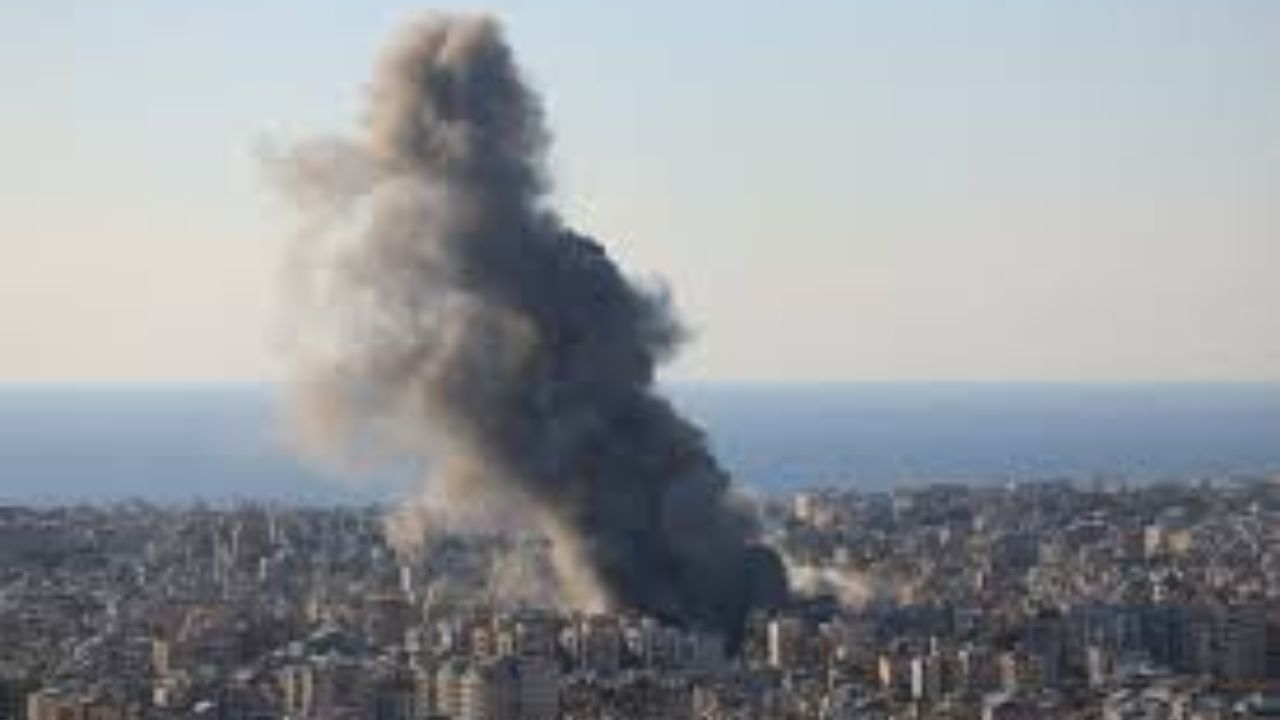
The call, combined with the narrowing intelligence window, contributed to Trump’s decision to approve Operation Epic Fury on February 27. The first strikes hit early Saturday morning, February 28. By evening, Trump announced that Khamenei was dead.
White House spokeswoman Anna Kelly said the operation sought to destroy Iran’s ballistic missile production capacity, dismantle its navy, end its ability to arm proxies, and permanently foreclose the possibility of Iran acquiring a nuclear weapon.
At a subsequent press conference, Netanyahu pushed back on suggestions that Israel had drawn the United States into the conflict, calling such claims fake news. He questioned whether anyone seriously believed that someone could even tell Trump what to do.
Also Read: Iran Strikes Near Israel’s Nuclear Hub in Retaliatory Attack, Over 100 Injured https://www.vibesofindia.com/iran-strikes-near-israels-nuclear-hub-in-retaliatory-attack-over-100-injured/