

Conflicting narratives are now emerging over what exactly led to the catastrophic crash of an Air India Boeing 787-8 aircraft in Ahmedabad on June 12, killing 260 people. While India’s official preliminary report from the Aircraft Accident Investigation Bureau (AAIB) stops short of assigning blame or detailing how the critical fuel switches were moved to the “cutoff” position, a report published in an American newspaper, as claimed by news agencies, says the cockpit recording indicates that the captain cut the flow of fuel seconds after takeoff.
This ambiguity in the findings has raised serious questions about the handling and communication of the early investigation.
Both accounts allude to the same cockpit exchange. But something is still inconclusive.
According to reports published by the Indian media, the AAIB findings do not assign responsibility. It doesn’t specify why the switches were moved. The American newspaper attributes the action to the senior captain.
Pilot groups have dismissed speculation of pilot error.
There is no clarity on what happened in the cockpit before the engines lost power.
As has been widely reported, the preliminary findings revealed that the aircraft reached an altitude of 650 feet before it began to sink.
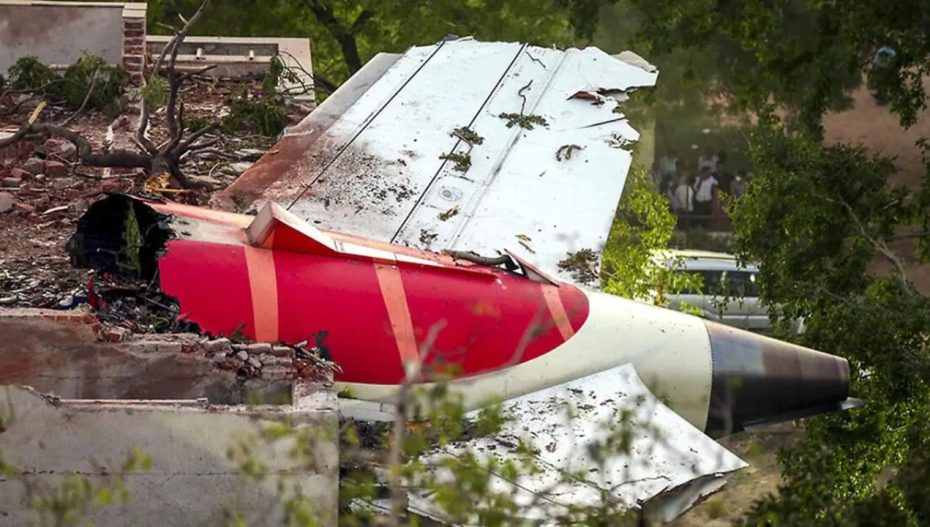
The fuel switches for both engines were then turned back to “run,” and the airplane attempted an automatic engine restart. But the aircraft was too low and too slow to recover. The plane clipped some trees and a chimney before crashing in a fireball into a building on a nearby medical college campus, the report noted.
Further, soon after takeoff, CCTV footage showed deployment of the aircraft’s ram air turbine. This is used as a backup energy source, indicating a loss of engine power.
The report pointed to a related Special Airworthiness Information Bulletin (SAIB) issued by the US Federal Aviation Administration. But it’s yet to suggest any action.
Air India claims it had completed precautionary inspections of the fuel control switch locking mechanisms across its Boeing 787 fleet, finding no issues. “The inspections have been completed, and no issues were found,” an airline official was quoted as saying. In line with standard operating procedure, Air India also advised its pilots to remain vigilant and report any abnormalities in the aircraft’s technical log.
Meanwhile, IATA Director General and pilot Willie Walsh said that aircraft accident investigators need time to carry out comprehensive investigations.
“I commend the Indian government and the AAIB for the release of the preliminary report, which I think contained more information than most people were expecting, which was helpful…I think all airlines and all aviation professionals will now await the publication of the final report, which I’m sure will go into significantly more detail,” he said at an event in Singapore.
He stressed completely transparent investigations, noting that video recordings and voice data could aid the probes.
Captain Sumeet Sabharwal and First Officer Clive Kunder were the two pilots involved in the crash. They had a combined flying experience of 15,638 hours and 3,403 hours, respectively.
Also Read: Only 4.2 Per Cent Funds Of MPLAD Budget Spent in Gujarat In One Year https://www.vibesofindia.com/only-4-2-per-cent-funds-of-mplad-budget-spent-in-gujarat-in-one-year/