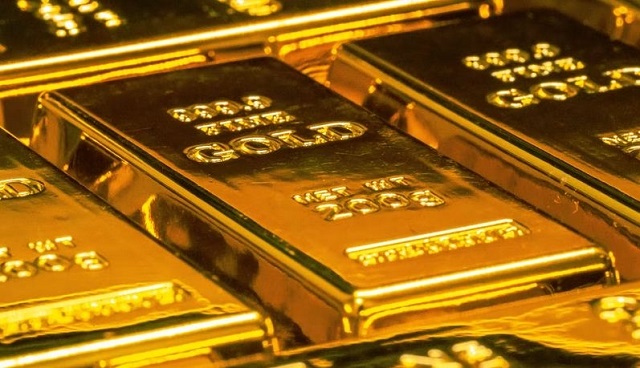
A curious dance is unfolding in global markets. Gold is having a ball like it’s 1979, and stocks are throwing a bash like it’s 1999.
Those two decades couldn’t be more different. The late 70s were a wild time of inflation and geopolitical chaos. The late 90s were all about dotcom mania and calm.
Ruchir Sharma, an Indian American author, fund manager and columnist for the Financial Times has alluded to this duet in an engaging column for an Indian national daily.
The column says this odd pair has been forged because investors are playing it safe with gold on account of US policy worries, while also betting on stocks driven by excitement about AI.
That implies global investors are balancing a bullish tech frenzy alongside a cautious clutch on gold.
The column touches upon a broad spectrum of massive liquidity. Governments and central banks pumped trillions into the system during and after the pandemic.
It has created momentum trades across assets, from tech stocks to gold bars. American money market funds alone have ballooned to $7.5 trillion, more than $1.5 trillion above their long-term average, he says.
Despite the Federal Reserve’s insistence that policy is “mildly restrictive” after raising interest rates and trimming its balance sheet, nominal rates remain below nominal GDP growth.
Meanwhile, the US government leads the developed world with the biggest deficit, which means there’s a hefty private sector surplus.
Risk appetite plays its part too, the column adds. Driven by the confidence that the government and central bank will step in at the first sign of trouble, US households have ramped up their bets on stocks and other risky assets.
The Fed’s quick rate cuts during last September’s market jitters, and its recent openness to further cuts despite a strong economy, have lowered the risk premium.
The rise of trading apps and commission-free investment products has only poured more fuel on this liquidity bonfire. The column says it has made it easier for everyone to dive into markets. This hyper-financialisation sends liquidity flowing into every nook and cranny of the market, helping explain why gold and stocks now dance in tandem.
Further, the writer says that he has long championed gold, especially since 2022 when the US weaponised the dollar with sanctions on Russia. To protect themselves, foreign central banks started buying gold, becoming the dominant buyers for the first time in years.
But now, the buying frenzy has shifted from central banks to gold ETFs, whose share of demand has surged nearly nine-fold this year. The third quarter recorded the highest ever quarterly ETF inflows into gold.
Popular explanations for this gold-stock tango often miss other market signals. The fear of “dollar debasement” may hold over the long haul but doesn’t explain gold’s stellar performance this year, especially since the dollar itself has barely budged recently.
Inflation fears, the column adds, should show up in long-term bond yields or inflation-protected securities, but they don’t. Bond markets suggest inflation expectations remain below 2.5% in the long term.
Meanwhile, commodities like silver and platinum, which aren’t typical hedges, are also booming alongside gold. High-risk assets, the financial equivalent of bungee jumping without a safety harness, think leveraged ETFs and unprofitable tech firms, are soaring too.
The column ends with a caveat. If regular consumer prices keep rising and the Fed has to raise rates, many investors will be in for a shock.
Also Read: Gold Glitters, Stocks Stumble As Investors Play It Safe This Festive Season https://www.vibesofindia.com/gold-glitters-stocks-stumble-as-investors-play-it-safe-this-festive-season/