


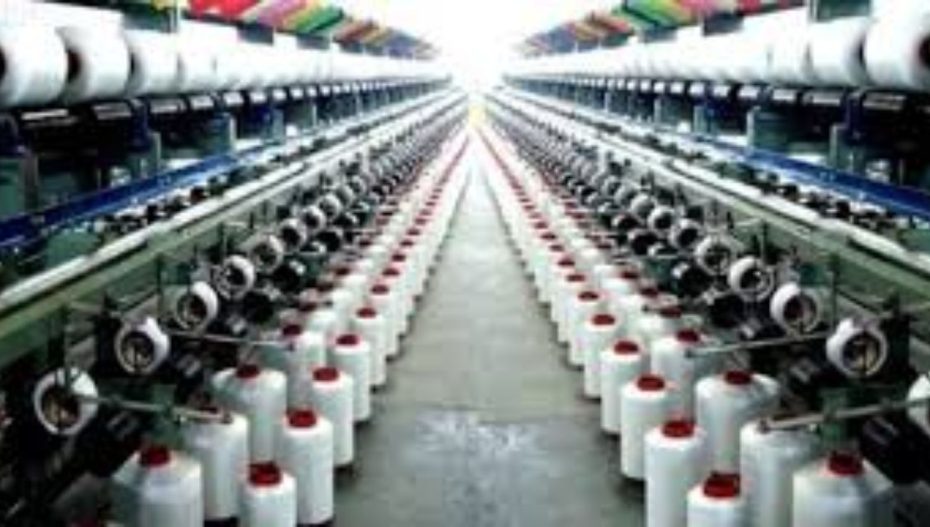
It’s been testing times for Gujarat’s textile exporters, with the sector, strained by US tariffs, hitting a low.
Data revealed by a national daily indicates a dip in shipments.
India’s textile exports, as reported by the Confederation of Indian Textile Industry (CITI), were said to have fallen 12.9% year-on-year in October 2025. Apparel exports reportedly shrank 12.88%. It resulted in a combined 12.91% drop for textiles and apparel.
The decline over April–Oct is comparatively modest at 1.6%, yet Oct has emerged as the month in which the tariff shock has hit Gujarat’s textile value chain the hardest. The US imposed a 25% tariff on all Indian-origin goods on Aug 1, later increasing it to 50% from Aug 27, and both countries are currently negotiating a bilateral trade agreement.
In its second-quarter results, textile conglomerate Arvind Limited mentioned that its total direct revenue exposure to the US market stood at about Rs 500 crore, forming 21% of its topline.
The company indicated in its investor presentation that the tariff impact in the second quarter was estimated at Rs 23 crore, partly balanced by higher volumes, and that tariffs were expected to affect certain parts of its direct business to the US, about 20–25% of overall revenue, resulting in an impact of Rs 25–30 crore on quarterly EBITDA. EBITDA refers to Earnings Before Interest, Taxes, Depreciation, and Amortisation.
The US, which accounts for about 30% of India’s textile shipments, began enforcing higher duties from October, after previously allowing older cargo to pass through under lower tariff slabs.
Rahul Shah, co-chairman of GCCI’s textile committee, was quoted as saying that nearly half the shipments moving until September had still been protected, but the consignments for October had taken the real hit, leading to a visible decline in volumes.
He noted that the pain was spread across the entire ecosystem: home textiles, technical textiles, garments, yarn, and fabric, areas where Gujarat has traditionally held dominance.
Shah mentioned that orders for yarn and grey fabric had been cancelled, while several buyers in home textiles had started renegotiating contracts, often at lower prices. He added that with margins already thin, any tariff-driven cost disadvantage had pushed many exporters out of contention.
Although cheaper raw materials would usually support exporters, this time the advantage had been overshadowed by tariff-linked pricing in India’s largest market.
The national daily, citing experts, said the drop in exports is being felt even in segments where volumes have not collapsed, making profitability uncertain.
Only recently, industry experts noted that the prices of garments, curtains, bedsheets and yarn would rise by 50 per cent, making competing in the US market nearly impossible.
India’s total textile exports to the US are around $10-12 billion annually. Gujarat comprises more than 15% of that trade. As reports indicate, losing the US market has cascading effects across supply chains, from yarn makers to embroidery units.
Also Read: US Tariffs Spark Crisis In India’s Diamond Hub https://www.vibesofindia.com/us-tariffs-spark-crisis-in-indias-diamond-hub/