

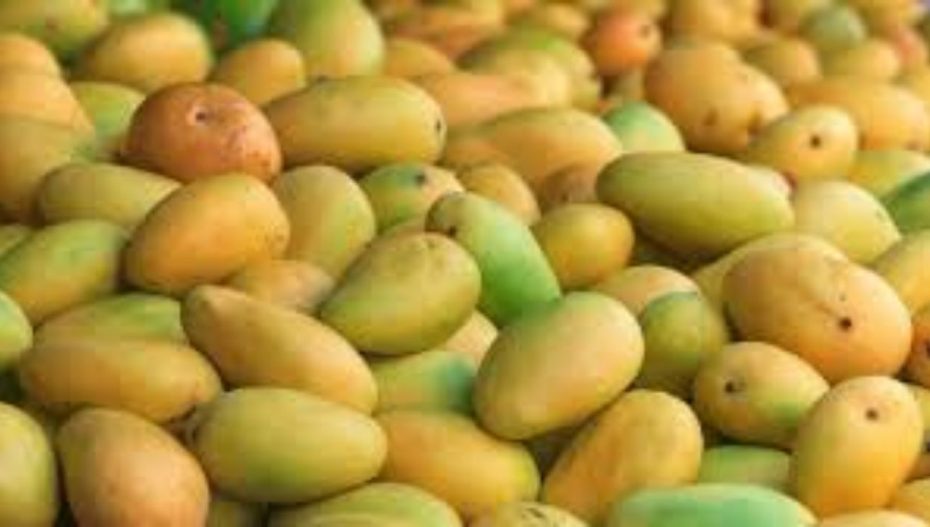
Mango enthusiasts may have reason to celebrate sooner than expected this year. Even before winter has fully loosened its grip, Gujarat’s famed kesar mango orchards are showing signs of an early and promising season.
Across the state’s key kesar-growing regions, especially Gir Somnath and Amreli districts, flowering has progressed faster than usual. By the end of December, around 60% of mango trees had already flowered, easing earlier worries that the extended monsoon—lasting into October—could harm the crop. Growers say weather conditions since November have largely worked in their favour.
Kesar mango cultivation spans about in Gujarat and verage annual production stands at around 2.8 lakh metric tonnes.
Newspaper report have quoted farmers noting that while daytime temperatures have been ideal, a spell of cooler nights in January will be crucial for successful fruit setting. If the coming weeks remain dry and free from unseasonal rain, the first batch of kesar mangoes could reach markets by mid to late April—well ahead of the usual peak season.
Traditionally, mango flowering begins in mid-November and continues until February. Flowers that set fruit by January typically lead to an early harvest, which commands higher prices before supply rises sharply in May.
A mango farmer from Gir Gadhda in Gir Somnath district, was quoted saying that flowering has been particularly strong in Gir Gadhda, Una and Mendarda, though Talala has seen comparatively weaker progress. “If conditions remain favourable, we expect arrivals by the third or fourth week of April,” he was quoted.
The main Gir kesar season generally runs from May through June. Early arrivals are especially valuable for farmers, as April mangoes fetch premium rates before prices soften with increased supply from across the region.
Kesar mangoes are grown across 11 districts in Gujarat, with Gir Somnath, Junagadh, Amreli and Bhavnagar forming the core production belt. Farmers in Amreli are also optimistic. Kamlesh Nasit from Abhrampar village in Savarkundla taluka said that while it is too early for a final verdict, the signs are encouraging. “With good flowering and no disease so far, we are hopeful of a bumper harvest,” he said.
Another Amreli farmer, Janak Padasar, was quoted explaining that the type of flowering matters as much as its extent. “There are two kinds—green and red. Green flowering has a much better chance of fruit setting, while red flowers tend to drop. This year, most trees are showing green flowering, which is a positive sign,” he noted.
With favourable weather holding steady, Gujarat’s kesar growers are looking at an early, potentially abundant season—good news for both farmers and mango lovers alike.
Also Read: Kesar Mangoes Finally Gets Approval From US https://www.vibesofindia.com/garpf-finally-gets-approval-from-us/