

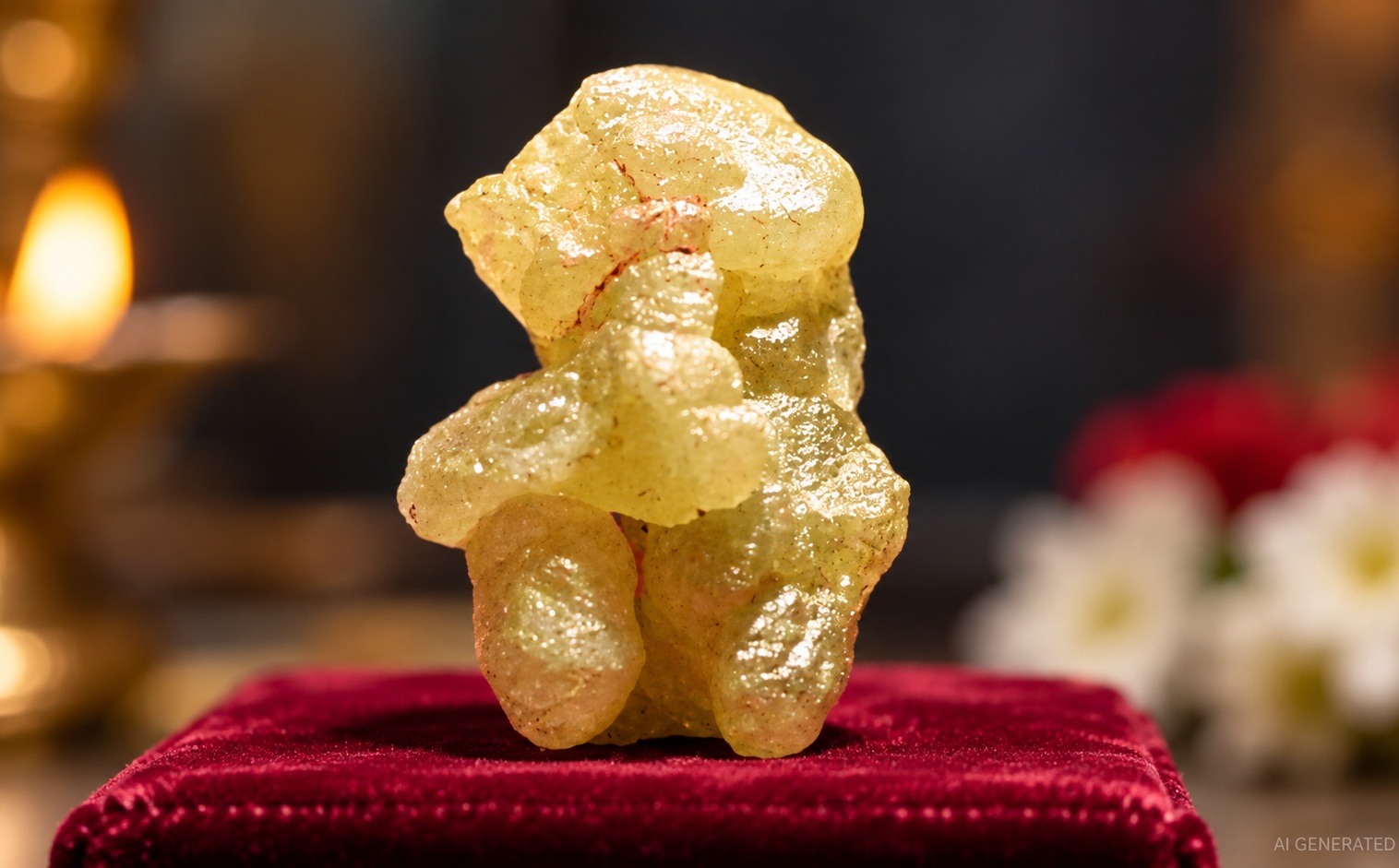
For most devotees, seeing Lord Ganesha during the festive days means visiting a pandal, offering prayers and moving on. In Surat, however, a handful of devotees will be looking at something very different — pieces of uncut diamond whose natural forms resemble the Lord Ganesha.
These unusual stones are privately held by people from the diamond trade and are popularly referred to as “Crorepati Bappas.” Their appearance has made them a festive attraction, but their immense value means that showing them to the public is a carefully controlled affair.
One stone, one day of darshan
This year, diamond trader Rajesh Pandav has decided to bring out his 27.74-carat Ganesha-shaped rough diamond on September 17.
Rather than keeping it available throughout the festival, Pandav has chosen just one day for visitors. The date also coincides with Prime Minister Narendra Modi’s birthday, which Pandav cited as the reason for choosing September 17.
The shorter schedule is also linked to the practical difficulty of protecting such a valuable stone whenever it is brought out of secure storage.
A diamond that never becomes part of visarjan
There is one major difference between these stones and the Ganesha idols seen across the city during the festival.
These are naturally occurring rough diamonds, not idols that have been carved or shaped by hand. After the festival, they return to private custody rather than being immersed.
That unusual combination of religious significance and natural formation has made the stones especially interesting within Surat’s diamond community.
Three more rare stones in another collection
Pandav’s diamond is not the only one attracting attention this Ganesh festival.
Rare-stone collector and diamond businessman Kanu Asodariya has three rough diamonds whose natural forms resemble Ganesha. Their recorded weights are 182.53 carats, 26.53 carats and 8.01 carats.
Asodariya plans to allow visitors to see the stones, but the number of people and the viewing period will remain restricted.
Why visitors cannot simply walk in
The challenge for the owners is not arranging a religious display but protecting a collection of highly valuable stones while people gather around them.
Pandav keeps his diamond inside a secured locker under camera surveillance. During public viewing, additional personnel are brought in to protect the stone and handle the visitors.
Asodariya takes another precaution: he does not leave his three diamonds permanently at one location. Their storage place is changed periodically.
His collection is watched through three separate layers of CCTV, with recordings maintained through different systems and locations. The surveillance can also be checked remotely from a mobile phone.
Even VIP darshan has been difficult
The security challenge has become so demanding that Pandav has previously had to turn away a minister who wanted to see the diamond, saying that bringing the stone out for a single visitor would require additional arrangements.
This year, the decision to restrict public viewing to a single day reflects that same concern.
For Surat, a city where diamonds are part of everyday business, these stones represent something unusual: rough diamonds that are valued not simply for what they could become after cutting and polishing, but for the natural forms they already possess.
Also Read: Lost River May Explain How Lothal’s Ancient Dockyard Reached The Sea