

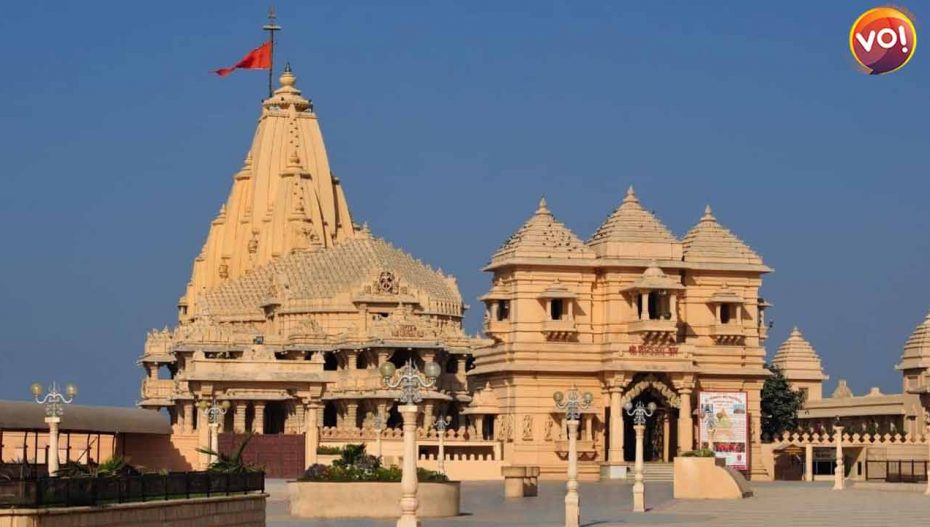
The Gujarat High Court has decided that the ban on non-vegetarian food and eggs around the Somnath Temple will stay in force for now. On Wednesday, a two-judge bench said the earlier order, which brought the ban back, will continue until the next hearing on December 16. The state is fighting to keep the ban, restaurant owners are fighting to remove it, and the Supreme Court has told the High Court to finish the case within two months.
On August 10, the District Magistrate of Gir Somnath issued an order for the area around the famous temple in Prabhas Patan, in Veraval taluka. On certain roads and within 500 metres of the temple, nobody could cook, sell or even store non-vegetarian food. Eggs were included. The state said the temple is a holy place that many pilgrims visit, and the rule was meant to protect that atmosphere.
For the small restaurants and food stalls in that stretch, it meant a big part of their menu and income could no longer be sold.
The restaurant owners went to the High Court. On October 30, a single judge agreed with them and cancelled the order. The judge gave two reasons. First, the District Magistrate had used more power than the Gujarat Police Act gives him. Second, the ban took away the owners’ right to do business.
The relief did not last. The state appealed the same day, and the appeal went to a bigger bench of two judges. That bench put the single judge’s order on hold, which meant the ban was back in force while the appeal is pending.
The restaurant owners then went to the Supreme Court with a special leave petition. On November 6, the Supreme Court dismissed it. But it also set a deadline. The High Court must decide the state’s appeal within two months of receiving the Supreme Court’s order.
The case came before Acting Chief Justice Manash Ranjan Pathak and Justice Nirzar Desai.
Government Pleader G H Virk said the state was ready to argue and asked that the appeal be heard within the Supreme Court’s two-month limit. He said the state would file written arguments for the final hearing. He also asked the court not to give the owners any interim relief, and pointed out that they had not filed an application asking to cancel the earlier order. The state, he said, will place the Supreme Court’s order on record through an extra affidavit, and it also plans to raise issues about the petitioners’ conduct.
Advocate Asrar Mansuri, for the restaurant owners, asked for a middle path. Diwali is over and the new year has begun, he said, so the owners should be allowed to reopen with some conditions.
The judges did not give that relief. They dictated their order in the open court: the October 30 interim arrangement stays until the next date.
The court has not said whether the ban is right or wrong. It has only decided that nothing changes until it hears the appeal properly. The real question is still open: can a District Magistrate use the Gujarat Police Act to ban such food, and does that ban unfairly hurt people’s right to earn a living?
December 16 is the date to watch. The state wants its appeal heard within the Supreme Court’s two-month window. The owners will keep pressing for permission to reopen. Until then, the kitchens near Somnath Temple stay under the ban.
Also Read: Gujarat Ends Minority Schools’ Hiring Autonomy, Brings Teacher Recruitment Under State Control