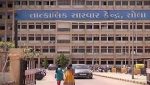
The raid on a 12th-floor office in Sakar-9 on Ashram Road earlier this week has blown the lid off what investigators now believe is a sprawling international herbal-remedy fraud targeting NRIs across the US, Canada and Europe.
While the operation initially appeared to be a bogus call centre selling fake ayurvedic treatments, police say the evidence points to a far larger, well-organised racket involving cross-border money flows, data trafficking and high-risk “medical” claims.
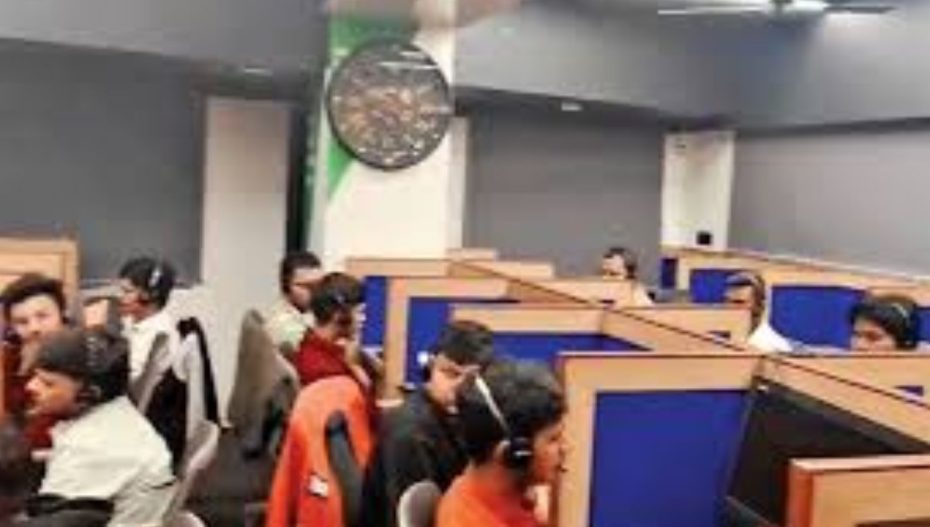
Two days ago, Navrangpura police detained 24 individuals—mostly students—who were allegedly trained to pose as representatives of a US-based medical agency and sell herbal “cure packages” for infertility, autism, neurological disorders, baldness, obesity and chronic illnesses. Victims were typically charged between $600 and $800, but some reported paying several thousand dollars for promised “miracle treatments”. Five girls have been released on bail.
The call centre operated under the name Moonrise Remedy Care Pvt. Ltd., registered in the name of mastermind Abhishek Ramnarayan Pathak’s brother. Pathak, along with team leader Nikhil Jain and two others, has been remanded for two days. Police say the team had been running the operation for six months and targeted Gujaratis living abroad, especially undocumented immigrants and members of specific religious groups—people unlikely to report fraud.
According to media reports, investigators suspect the setup was linked to a larger US-based herbal marketing network run by a Gujarati man who allegedly supplied detailed patient profiles to Indian operators.
Scripts recovered from the site instructed callers to speak as “doctors”, using medical histories to convince victims of their authenticity.
The police have seized laptops, computers, mobile phones, pitch sheets and digital records. The key device—Pathak’s laptop—has been sent to the Forensic Science Laboratory (FSL), where experts will analyse patient databases, financial logs and communication with foreign handlers.
Media reports say, authorities are also probing how the accused processed overseas payments, converted dollars into rupees, and whether the operation violated money-laundering laws.
Zone-1 DCP Harshad Patel told media that tracing the international money trail is now one of the core focuses of the investigation.
Media reports further say that preliminary questioning reveals that the call centre recruited young men and women—primarily students from Gujarat and Rajasthan—by offering Rs. 20,000–Rs. 30,000 salaries after a week of training. Team leaders were paid around Rs. 40,000, while the manager earned nearly Rs.1 lakh. Most telecallers worked night shifts to match US time zones and were instructed to follow detailed scripts that exaggerated symptoms and guaranteed cures.
Police say many of those detained were unaware of the full scale of the scam, though inquiries will determine individual roles.
Police are reported to have also succeeded in first person testimonies from the US. These underscore the dangers of such a racket.
Police officials believe the Navrangpura is perhaps only a tip of an iceberg. Digital evidence suggests more such call centres may be active in Gujarat, reports say.
Police are now looking into mapping international money transfers, identifying foreign coordinators and data suppliers, verifying whether victims’ personal medical information was trafficked and examining whether the network violated health-safety and cybercrime laws.
As analysis of seized devices continues, authorities expect more arrests and further revelations about the global herbal-remedy racket.
Also Read: Ahmedabad Police Bust Alleged Call-Centre Scam Targeting Indians Overseas https://www.vibesofindia.com/ahmedabad-police-bust-alleged-call-centre-scam-targeting-indians-overseas/