

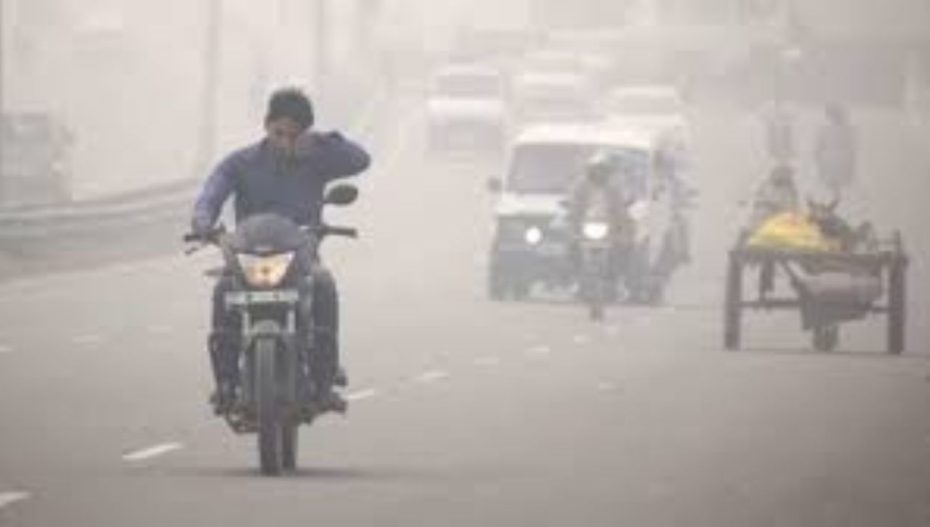
India is moving through another season of choking air. Cities wake up under muted skies. The light feels weaker, the air heavier. Across states, pollution levels swing between bad and dangerous. AQI numbers are dominating conversations.
Now, after New Delhi, it’s Ahmedabad’s turn to feel the impact of the weather. AQI readings reportedly crossed 300.
Thaltej, South Bopal, Shahibaug, Ghuma and Bodakdev were among the worst-affected areas, according to reports.
Central and older neighbourhoods did only slightly better. Even places long seen as “cleaner,” including the airport and satellite zones, showed no relief. The decline was citywide.
Pollutant levels followed the same pattern, claimed a report in a national newspaper. PM2.5 and PM10 concentrations stayed in hazardous ranges. The smog was not merely a visibility problem but a clear health concern, according to data on AQI.in.
Weather officials said the shift in conditions had no link to volcanic ash from Ethiopia, which had passed over India but stayed in the upper atmosphere. They said air quality was shaped by humidity, moisture, temperature, wind speed and wind direction. They added that the past few days had been a transition period, with winds moving from northeasterly to easterly and southeasterly.
Residents told the media house that the air felt different. The usual winter chill had given way to a metallic heaviness. The morning sun appeared as a blurred disc instead of a sharp, bright circle.
Daily conversations had turned from traffic and winter events to burning eyes, scratchy throats and AQI screenshots flooding family chats.
Children, who often catch colds with slight weather changes, have started wearing masks to school and during longer outings.
Doctors reported a rise in respiratory discomfort, especially among older people and children.
It’s reported that residents were choosing morning or evening walks because of the milder temperatures.
Doctors have also cautioned that people with existing conditions could experience flare-ups, especially with allergies and respiratory issues. Some patients might not show typical signs during lung tests, but long exposure could still harm respiratory health, they added.
The report added that winter usually made such cases more visible because PM10 and PM2.5 particles stayed suspended in the air.
Pulmonologists said the most common complaints were persistent coughing and throat irritation. The general recommendation is that people with conditions should use proper masks, including N95s, after medical advice.
Also Read: Air Quality Worsens In Ahmedabad, GPCB Sends Notice to AMC For Pirana Garbage Dump https://www.vibesofindia.com/air-quality-worsens-in-ahmedabad-gpcb-sends-notice-to-amc-for-pirana-garbage-dump/