


Adani Ports and Special Economic Zone Ltd (APSEZ), India’s largest
and the world’s fastest-growing integrated transport utility which handles nearly 27 per cent of
India’s port cargo volumes, has operationalised India’s first Port of Refuge (PoR), addressing a long
standing gap in maritime emergency infrastructure, creating a structured mechanism to handle
maritime emergencies and vessels in distress.
A PoR, as defined by the International Maritime Organization, is a designated location where ships
can seek shelter to stabilise conditions, protect life and limit environmental damage. While such
frameworks are standard in major maritime economies, India had not formalised one until now. The
move comes as India, with a coastline of over 11,000 kilometres and located along key global
shipping routes, seeks to strengthen its emergency response capabilities.
APSEZ will designate two sites as PoR: Dighi Port on the west coast, supporting traffic across the
Arabian Sea and routes to the Persian Gulf and Gopalpur Port on the east coast, serving vessels in
the Bay of Bengal and routes towards the Malacca Strait, one of the world’s busiest maritime trade
corridors. The facilities will provide salvage and wreck removal, firefighting, pollution containment
and emergency coordination services through specialised equipment and trained response teams.
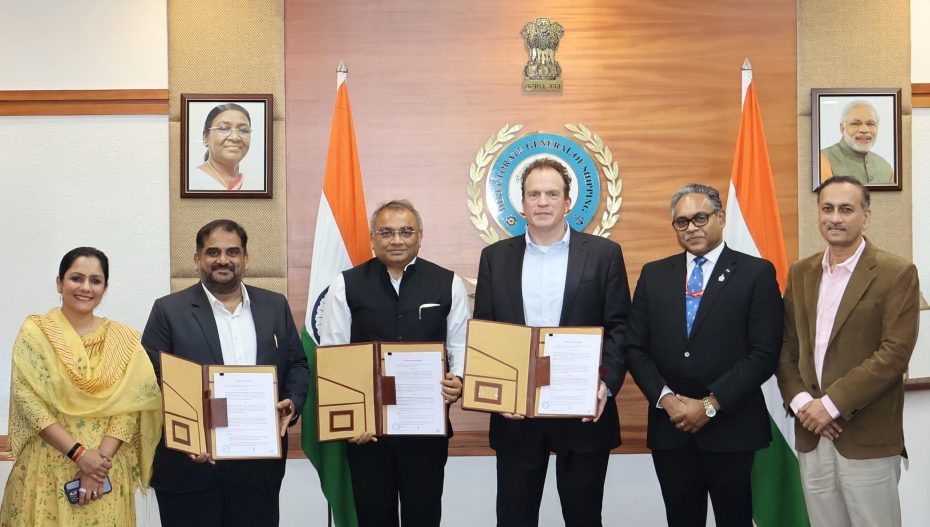
The initiative is backed by a tripartite memorandum of Understanding (MoU) with SMIT Salvage,
the salvage and emergency response division of Royal Boskalis Westminster N.V. (Boskalis) and the
Maritime Emergency Response Centre (MERC), bringing global expertise and coordinated response
capability. The capability will support vessels insured under the International Group of Protection
and Indemnity (P&I) Clubs, aligning with global maritime risk and liability frameworks.
“This milestone marks a significant step in strengthening India’s maritime safety ecosystem,” said
Mr Ashwani Gupta, Whole-time Director and Chief Executive Officer (CEO), APSEZ. “Ports connect
economies—but a Port of Refuge protects lives. By establishing dedicated PoR infrastructure, we
are elevating India’s maritime preparedness and setting a new benchmark for world-class coastal
safety. At APSEZ, we believe world-class infrastructure must be matched by world-class
responsibility.
“The initiative marks an important step in strengthening India’s maritime preparedness and
emergency response capacity. The adoption of a standardized Port of Refuge framework will enable
more coordinated and timely action during maritime incidents, ensuring effective protection of life,
cargo, and the coastal environment. I commend all stakeholders for their collaborative efforts in
1
BSE: 532921 | NSE: ADANIPORTS | Bloomberg: ADSEZ:IN | Reuters: APSE.NS
operationalising this important capability,” said Shri Shyam Jagannathan, IAS, Director General (DG)
of Shipping.
“We are strengthening maritime safety and care for the marine environment where it matters most,
and in doing so jointly protect India’s coastline and society. Providing a Port of Refuge to a casualty
is critical in a salvage operation to ensure that the vessel and her cargo are dealt with swiftly and
professionally and that the affected cargo and fire- fighting water is treated and disposed of in
accordance with the applicable legislation. SMIT Salvage is pleased to bring global best-in-class
salvage capability and experience to ensure faster, safer, and coordinated emergency response
along India’s key shipping routes,” said Mr Richard Janssen, Managing Director (MD), SMIT Salvage
(Boskalis).
The initiative is aligned with international maritime conventions, enhancing safety, environmental
protection and India’s role in global shipping corridors. By establishing a formal PoR framework,
APSEZ aims to improve emergency response readiness and strengthen India’s position in global
maritime trade.