

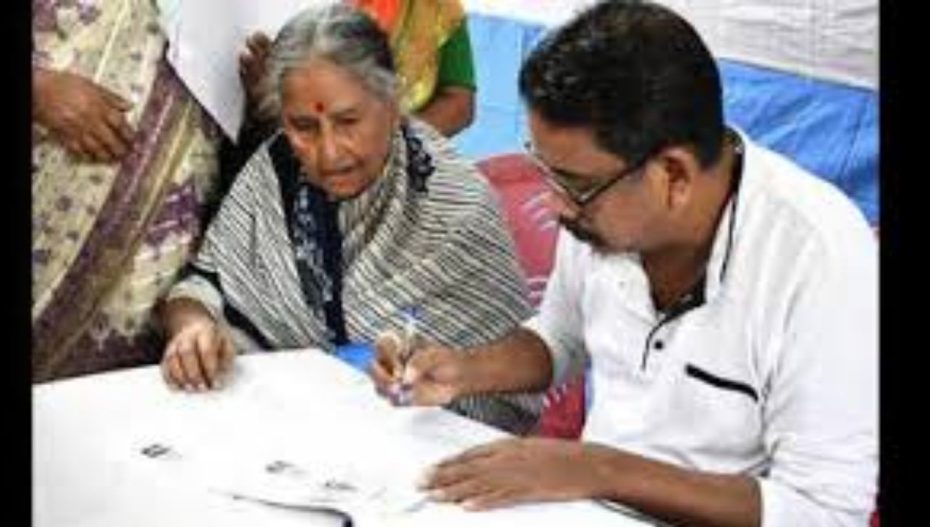
The first phase of the Special Intensive Revision (SIR) of voter lists in Gujarat has concluded, and the findings emerging from this exercise have triggered serious debate about the robustness of recent electoral outcomes.
An analysis of the revised data done by a vernacular daily has revealed patterns that are difficult to ignore—particularly in constituencies where elections were decided by slender margins.
A seat-wise study of cancelled votes has shown that in more than 50 assembly constituencies, the number of voters removed from the rolls exceeds the margin by which the winning candidate secured victory. In several of these seats, the cancelled votes are not just marginally higher but run into multiples—sometimes more than five times the winning margin. These figures include voters marked as deceased, absent, untraceable, or falling under the ‘no mapping’ category.
What makes the situation more complex is the spread of these constituencies. Of the 50 seats in question, the BJP emerged victorious in 30, Congress in 14, while independents and the Aam Aadmi Party won the remaining six.
Despite the difference in party representation, a common thread runs through all these results: razor-thin victory margins paired with an unusually high number of cancelled votes.
The backdrop to this discussion is the 2022 Gujarat Assembly election, where the BJP registered a landslide victory, winning 156 seats. Opposition parties were left severely weakened, while the AAP, contesting its first state election, managed to open its account with five seats. Soon after, allegations and debates around vote irregularities gained prominence during elections in states like Maharashtra and Bihar. It was against this national context that the SIR process was initiated in Gujarat.
Now nearing completion, the SIR exercise has allowed for a direct comparison between electoral margins and revised voter data. The discovery that cancelled votes outnumber winning margins in dozens of seats has led to renewed scrutiny of the electoral process. In some constituencies, the scale of deletions is so large that it effectively overshadows the difference between victory and defeat.
The concerns are particularly in the Saurashtra region, long regarded as a political bellwether for Gujarat. In several coastal and rural constituencies here, the combined count of voters marked as deceased, absent, or unmapped has surged. Where election results were already close, this surge has reduced the winning margin to near irrelevance, amplifying doubts about the credibility of those outcomes.
While the SIR exercise was intended to strengthen the integrity of voter rolls, its findings have instead opened up a wider conversation—one that challenges assumptions about past results and underscores the need for greater transparency and public confidence in the electoral system.
Dr. Hiren Banker, Gujarat Congress spokesperson, told Vibes of India that the entire process of SIR has a question mark. Instead of releasing computerised data, the government has released data given by the BLOs so that the details of the names deleted, transferred or dead cannot be compared, he said, alleging that it reflects non transparency.
Also Read: ECI Revises SIR Schedule In 12 States, Including Gujarat https://www.vibesofindia.com/eci-revises-sir-schedule-in-12-states-including-gujarat/