

Gujarat is heading into the Chintan Shibir with health data that points to a worsening anaemia burden. Multiple reports show rising numbers across key groups and the need for stronger action.
A comprehensive report by the health and family welfare department stresses the importance of iron and multi-nutrient supplementation in drug form. It says that foods like moringa, jaggery and beetroot “would require massive impractical dosages to be a solution to the anaemia problem”.
The report notes that bajra remains viable only because it is eaten regularly as rotla. “Other foods or superfoods fail. While a balanced diet still holds ground to take care of micronutrient deficiency-induced anaemia, iron and multi-nutrient supplementation in drug format is absolutely essential to take care of anaemia,” it says.
NFHS-5 (2019–21) shows that 65% of women aged 15–49 in Gujarat are anaemic. This is up from 55% in NFHS-3 (2005–06). Gujarat now ranks 16th in the country, slipping from 10th place. The state is also below the national average of 57%, according to a report by a national newspaper.
The government report for the Shibir highlights a jump in anaemia among children aged 6 to 59 months, rising from 62.6% to 79.7%. Levels in adolescent girls increased from 56.5% to 69%. Among pregnant women, the rise was from 51.3% to 62.6% between 2015–16 and 2019–21.
An embarrassing past
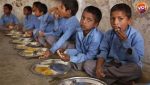
Despite the Government of India allocating Rs 2,879.3 crore under Poshan Abhiyaan, malnutrition and health in Gujarat remain teething issues.
The newspaper reported that as of October 2024, government data presented in the Rajya Sabha revealed that 40.8 per cent of children aged 0-5 years were stunted, and 21 per cent were underweight.
Additionally, 65 per cent of women aged 15-49 years were battling anaemia.
We may recall that during his days as Gujarat’s Chief Minister Narendra Modi had said that the state was mostly vegetarian and that created a challenge.
He reportedly said, “Gujarat is also a middle-class state. The middle-class is more beauty conscious than health conscious.”
“If a mother tells her daughter to have milk, they’ll have a fight. She’ll tell her mother, “I won’t drink milk. I’ll get fat.”
Does the state really have a troubling tendency to take dietary needs lightly, with real consequences for public health?
Fact remains that Gujarat continues to struggle with anaemia and with indicators such as underweight, stunting and wasting, despite its industrial and economic strength. The report links the rise to inadequate iron intake and poor diet. It also states that anaemia levels in Gujarat are “alarmingly high” and above the WHO threshold for a severe public health problem.
A 2024 study by the state health department and AIIMS Rajkot found micronutrient deficiencies in 58% of adolescent girls with anaemia. The figure was 55% for pregnant women. The study calls for balanced diets and adequate iron based on ICMR–NIN guidelines. Experts recommend a multi-layered response.
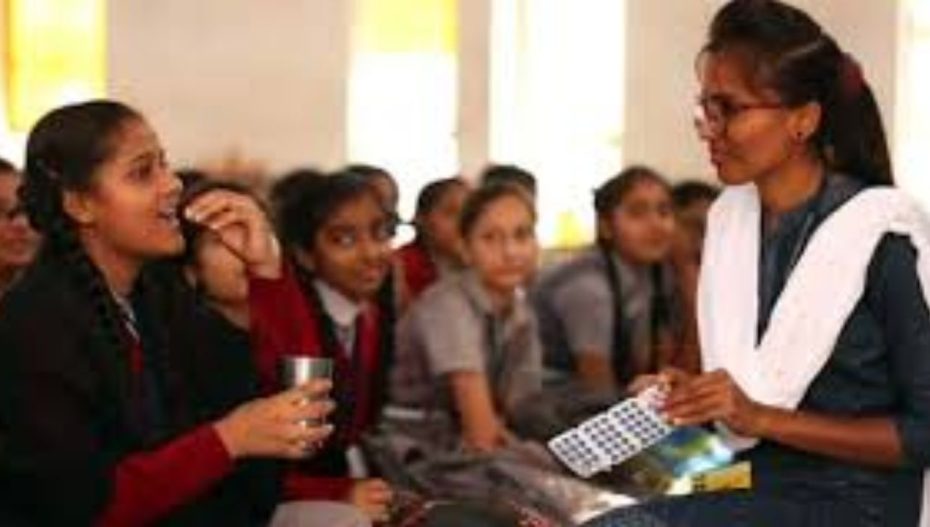
Several interventions have been proposed. These include adding micronutrient supplements to iron-folic acid prophylaxis for pregnant women. The plan also suggests distributing protein multi-micronutrient powder in talukas with poor maternal nutrition.
The report calls for universal anaemia treatment across all public health facilities. This includes medical college hospitals, district hospitals and sub-district hospitals. For moderate and severe anaemia, it recommends treatment protocols using iron sucrose and ferric carboxymaltose.
The department also wants anaemia screening and tracking through the TeCHO+ digital system. Officials suggest promoting schemes such as Anaemia Mukt Bharat and Poshan Abhiyaan to strengthen the response.
Also Read: Why Gujarat’s Notion Of Prosperity Is Sham https://www.vibesofindia.com/why-gujarats-notion-of-prosperity-is-sham/