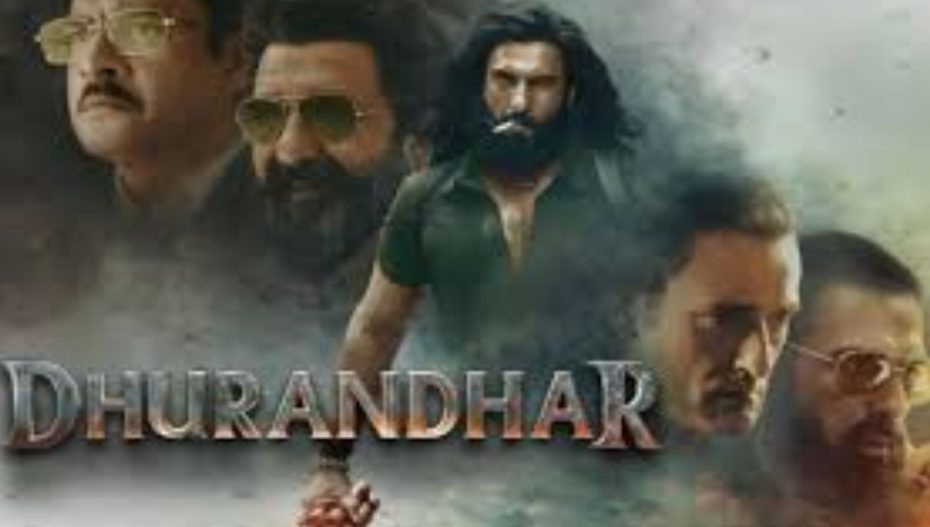
Aditya Dhar’s Dhurandhar has stirred debate over how Indian cinema portrays violence and ideology. The film reportedly depicts Pakistan’s repeated attempts to unsettle India. Blending reality with fiction, it shows India’s fitting responses to the IC-814 Kandahar hijacking, the 2001 Parliament attacks, and the 26/11 terror strikes.
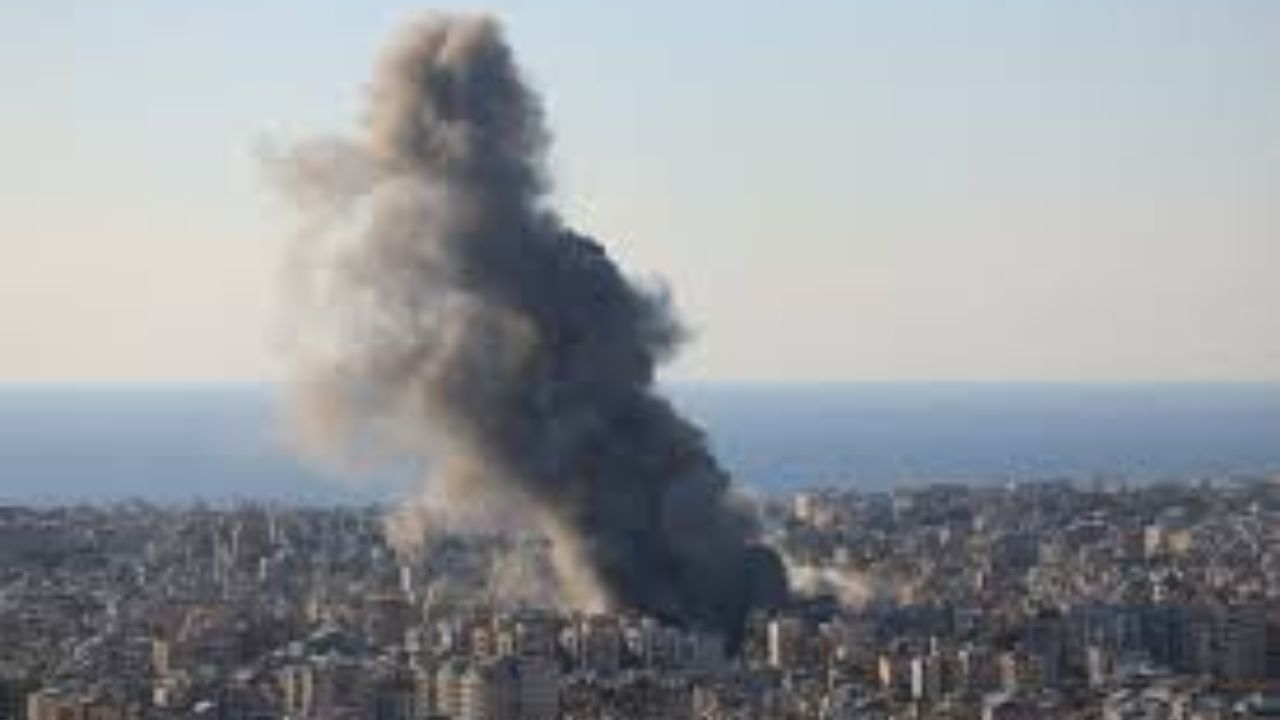
Each event is in a different perspective. Some capture live violence; others focus on the aftermath or media representation.
The film follows an Indian agent who goes undercover in Karachi after the Parliament attacks. His mission is slow and painstaking, showing patience and careful planning. This contrasts with Dhar’s earlier film, Uri, which offered quick, dramatic revenge.
Dhurandhar humanises villains, giving them cinematic presence and style. Characters like Rehman Dakait, a gang leader in Lyari, are shown as charismatic and visually compelling, even as their moral corruption becomes clear. The film’s songs have sparked debates online about cultural sensitivity.
Broadly, the film categorises two kinds of violence. One shows the suffering of Indian characters in horrifying detail. The other is gore inflicted on the villains, designed to shock and prevent audience sympathy.
Dhurandhar also links the story to India’s political future. The film hints at political leaders, shaping a future where intelligence and state power can respond effectively to terrorism.
Some sequences even foreshadow events like demonetisation as heroic interventions.
The film blurs the line between fact and fiction, according to critics. Real events and real-life figures are woven into a story that clearly supports a nationalist perspective. The film glorifies the defeat of its villains. However, it rarely questions the violence carried out by Indian authorities.
Observers also point out that the film’s glossy production adds to its impact.
Cinematography, music, and action sequences make the bloodshed thrilling and immersive.
Viewers are drawn to the spectacle. It’s easy to miss the underlying propaganda.
Meanwhile, reactions have been polarised. Viewers have lauded its technical finesse and edge-of-the-seat storytelling.
The general worry is that a movie of grand scale could shape perceptions. And in dangerous ways at that. Violence could appear normal in one-sided narratives.
Critics have noted that films such as Uri and Article 370 force audiences to examine their own responses.
But it leaves a crucial question. Are viewers cheering for heroism, mesmerised by cinematic style? Or are they complicit in ideology? Perhaps, the answer lies somewhere in between.
Also Read: Dhurandhar Success Highlights Changing Audience Taste https://www.vibesofindia.com/dhurandhar-success-highlights-changing-audience-taste/