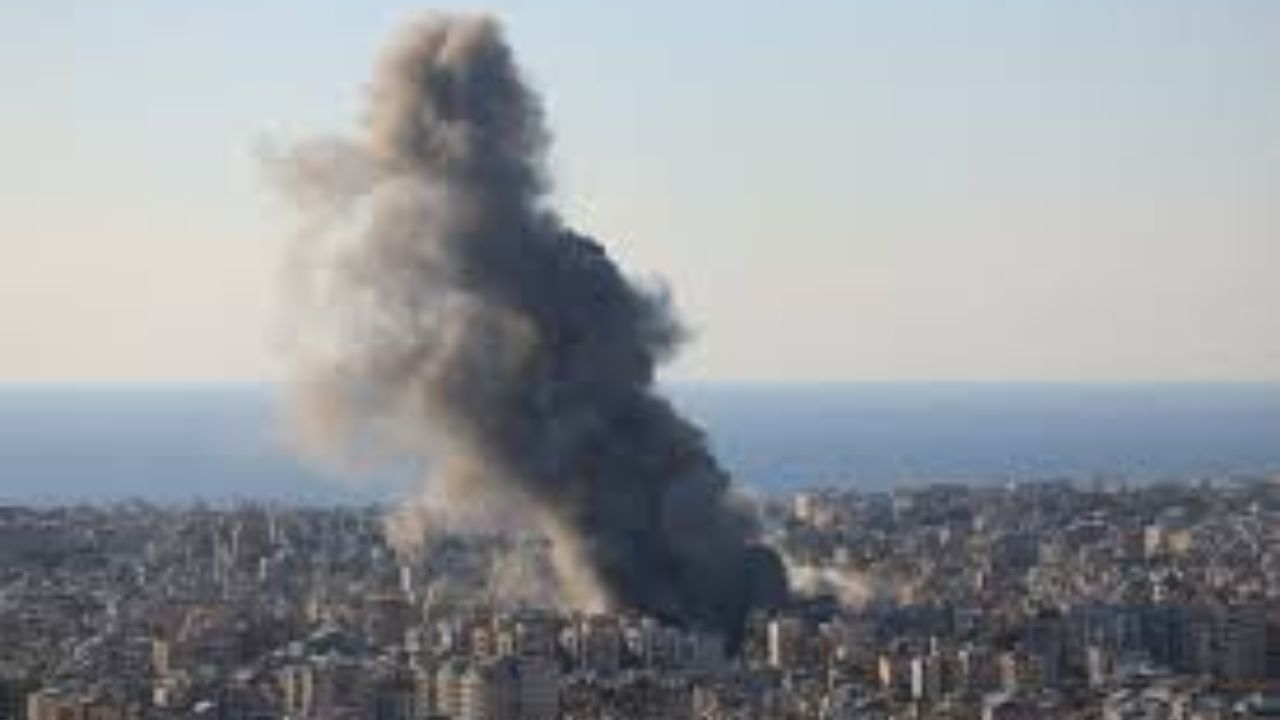
The violent eruption in Kathmandu is widely seen as a symptom of something far more serious than temporary political unrest. Prime Minister KP Sharma Oli’s resignation hasn’t extinguished the flames of protest. The situation may not normalise anytime soon. Observers argue that the chaos reflects a deeper disillusionment with Nepal’s democratic system itself. It’s held that the political establishment has failed an entire generation.
It all started with protests against the Oli government’s social media ban. The situation degenerated into a volatile uprising.
Experts believe the government’s heavy-handed response aggravated the matter.
Security forces killed at least 19 young protesters on September 8. That move transformed what might have remained isolated dissent into a nationwide groundswell of outrage.
It’s widely held that these deaths have awakened a generation. Ther had been a growing resentment within the masses who felt alienated by a political class. Additionally, there have been issues such as rising youth unemployment, severe out-migration, and crumbling public institutions.
Even after Oli’s resignation and Home Minister Ramesh Lekhak stepping down on moral grounds, the violence intensified.
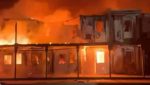
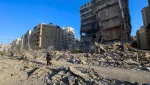
Demonstrators torched homes of political leaders across party lines. They attacked former Prime Minister Sher Bahadur Deuba and his wife, former Foreign Minister Arzu Rana Deuba of the Nepali Congress, and ransacked government buildings. Offices of media institutions such as the Kantipur group were also targeted. With police forces retreating from key official locations, protesters roamed the Kathmandu Valley largely unopposed.
Political commentators noted that this wave of unrest stands apart from Nepal’s previous democratic movements. Unlike the Jana Andolans of 1990 and 2006, both of which featured coordinated leadership, civil society support, and specific political aims—this current Gen Z-led movement appears to be driven by what analysts have described as “nihilistic rage” aimed indiscriminately at state institutions.
Part of the analysis is that the roots of this crisis lie in the failure of Nepal’s democratic transition itself.
Despite two successful people’s movements, a lengthy constitution-writing process, and the establishment of federal republican structures, governance has remained hollow. Power continues to rotate among a closed circle of political leaders and parties. It’s sustained by patronage networks and fragile alliances. There is no regard for public service. No one is accountable.
These frustrations have been intensified by a noticeable rise in anti-establishment feelings. Pro-monarchy rallies have surfaced. It reveals a call for the pre-2006 era that still lingers among some segments of society. Simultaneously, the rise of Hindu nationalist sentiments has challenged the secular foundations of Nepal’s 2015 Constitution. It’s a charter that, even in its inception, saw many of its more progressive provisions diluted during the drafting phase.
It’s observed that Nepal’s turmoil also echoes broader trends in South Asia. In Bangladesh, student-led protests led to the downfall of Sheikh Hasina’s government. It led to repeated cycles of violence. Institutional disarray became a regular thing.
In Sri Lanka, the Aragalaya movement succeeded in ousting the Rajapaksas, only for the marginalised JVP to gain power.
Is there scope for change? A lot depends on how emerging political players respond to the crisis, experts suggest.
Protesters have shown notable support for figures like former minister Rabi Lamichhane and Kathmandu Mayor Balendra Shah. Lamichhane has risen through his populist RSP party. Shah serves as an independent mayor.
Shah has publicly called for calm and urged protesters to cease violent attacks. However, as analysts pointed out, his parallel demand for the dissolution of Parliament has raised concerns. Analysts see this as reflecting the same anti-institutional sentiment that has derailed transitions in other post-crisis states.
The position of the Nepal Army remains a critical unknown. Army Chief Ashok Raj Sigdel has urged “restraint and dialogue.” But political commentators note that the military’s approach to prolonged unrest could play a decisive role. It could either facilitate democratic renewal or pushing the country toward authoritarianism.
For now, many agree that the Gen Z uprising has laid bare the deep rot within Nepal’s political establishment. It has forced the nation to confront systemic problems that electoral politics and formal institutions have repeatedly failed to address. However, the turn toward indiscriminate destruction threatens to close off any possibility of democratic regeneration.
Also Read: Rs 123 Crore Nal Se Jal Scam Rocks Gujarat: Government Officials Booked, Probe Widens https://www.vibesofindia.com/rs123-crore-nal-se-jal-scam-rocks-gujarat-government-officials-booked-probe-widens/