


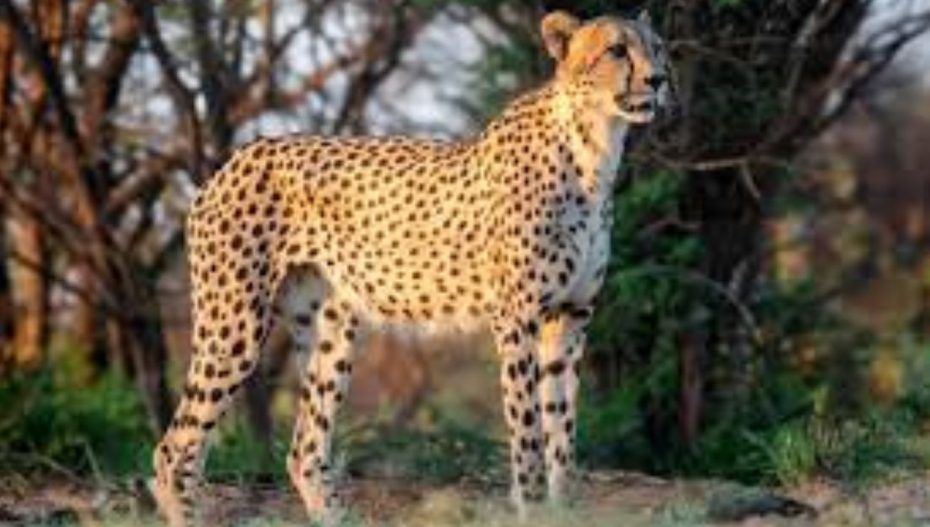
Even as multiple cheetahs have died in the Kuno National Park, plans are on the anvil to expand Project Cheetah. This comes amid growing concern over the project’s execution, particularly after the deaths of several translocated cheetahs in Kuno.
Recently, in a first clash between a leopard and a cheetah since the launch of Project Cheetah in MP three years ago, a 20-month-old female cheetah was found dead at Kuno National Park. The cheetah was reportedly released into the wild along with the mother on February 21 this year.
According to some reports, radio collars are not the primary reason for the deaths of any of these cats. It’s yet to be determined if the African cheetahs are susceptible to certain insects and parasites in India.
Yet, despite the unfavourable background, India is set to receive another batch of cheetahs by the end of the year.
Reports, citing unnamed officials, revealed that dialogues are ongoing with several African nations, including Kenya, Botswana, and Namibia.
Each country could contribute a group of eight to 10 cheetahs. At least one batch, either from Namibia or Botswana, should arrive by December. The batch from Kenya may follow next year.
India had welcomed eight cheetahs from Namibia in 2022 and 12 from South Africa a year later. Of the 20 cheetahs, 11 have survived.
In addition, 26 cubs have been born in India. Sixteen are surviving. Despite the fatalities, government sources continue to frame the initiative as a success. The survival rate of Cheetahs in India is much better than global standards, they have claimed.
According to them, the survival rate of adult cheetahs in Kuno has increased from 70 per cent in the first year to 85.7 per cent in the second year.
Officials have also cited the successful breeding as a sign of adaptation. Union Environment and Forests Minister Bhupender Yadav earlier told a section of the media that these developments, that too in such a short period, are unprecedented.
There are currently 27 cheetahs in India, 15 of which are free-ranging in the wild. Apart from Kuno, three cheetahs have been released into Gandhisagar Sanctuary this year. Government sources say India’s performance under Project Cheetah is “excellent,” boasting a cub survival rate of over 61 per cent — notably higher than the global standard of 40 per cent.
According to officials, one key reason for this is the “good density for prey” and “rich habitat” in Indian forests.
They further claim that cheetahs have been given strong protection under the Wildlife Conservation Act, where they are listed under Schedule 1. Every adult cheetah is fitted with a radio collar for live monitoring, and authorities say no damage due to radio collars has been reported since the second year, as the cheetahs gradually adapted to their new environment.
Also Read: India, US Eye Reset As Trade, Immigration, Geopolitics Collide https://www.vibesofindia.com/india-us-eye-reset-as-trade-immigration-geopolitics-collide/