

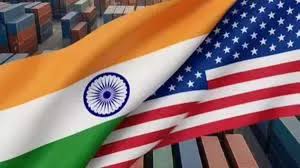
From trade disputes to diaspora dynamics, the India-US relationship is being tested on multiple fronts.
Recent diplomatic engagement between the two nations has laid bare the dual nature of their evolving relationship. Growing warmth and underlying strain has been the theme.
According to reports, a five-member US Congressional delegation visited New Delhi to initiate talks on bilateral ties.
Meanwhile, Indian negotiators reached Washington. Led by Commerce Minister Piyush Goyal, they prepared to confront growing resentment over immigration policies and trade tariffs.
First, the positives. The US delegation received a warm welcome in New Delhi.
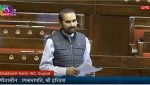
Congress MP Shashi Tharoor chaired a session with the lawmakers at the Parliament House Annexe Extension. He said the visitors showed keen interest in having strategic ties with India.
However, Tharoor raised concern over the silence of the Indian-American community on recent US policy decisions. He felt it could hurt Indian interests.
A US Congresswoman reportedly told him not a single Indian-American voter had reached out on these issues. Tharoor called this lack of response “surprising”. He said the diaspora must speak up if it truly cares about India.
While US lawmakers were in Delhi, Indian trade officials in Washington were preparing to push back against new immigration rules. Their top concern: President Trump’s decision to impose a $100,000 one-time fee on new H-1B visa applications.
The rule doesn’t affect renewals or current visa holders, but it is expected to hit Indian professionals the hardest, especially the IT sector, which makes up the bulk of H-1B users.
Furthermore, Indian nationals account for two-thirds of all H-1B recipients. Officials warn the new fee could seriously disrupt India’s $280-billion tech services industry and put thousands of jobs at risk.
Adding to the strain is the Trump administration’s decision to levy 50% tariffs on Indian exports. Critical sectors including garments, gems, footwear, furniture, and chemicals were bound to be affected.
India’s inevitable imports of Russian oil, which the US has frowned upon, have further complicated geopolitical tensions.
US Secretary of State Marco Rubio, in an interview, admitted that the additional tariffs were partly a response to India’s energy ties with Moscow. Rubio confirmed that US officials had recently met Indian counterparts to discuss concerns over India’s continued imports of Russian oil.
He said the pressure was part of a wider US strategy to isolate Russia both diplomatically and economically.
Yet, trade talks between Indian and US negotiators were called “positive.”
As reported by Vibes of India, the dialogue resumed after President Donald Trump called Prime Minister Narendra Modi. It hinted at a mix of personal diplomacy amid policy friction between India and the US.
Rubio also met Indian External Affairs Minister S Jaishankar in Washington. Both sides acknowledged that the relationship remains of “critical importance.”
According to Tharoor, the US lawmakers acknowledged recent setbacks. Visa fees, tariffs, and sanctions remain the critical issues. They reiterated support for India and admired the country’s economic resilience.
Reports claimed they acknowledged the contributions of the Indian-American community. But, understandably, they were vocal about the muted stance on pressing policy issues.
India’s current trade strategy now goes beyond resolving goods-related disputes. The focus has shifted decisively to services, which make up more than half of India’s GDP. The government is seeking expanded mobility for its skilled professionals, a recurring demand in India’s trade talks with partners including the UK and the EU.
Past negotiations with the UK had initially stalled in 2022 over visa quotas but eventually concluded with a deal that allowed 1,800 short-term service visas. Talks with the EU are also ongoing, with India pushing for easier movement of professionals.
Services exports reportedly rose by over 12% year-on-year to reach $383.5 billion in FY 2024–25, accounting for nearly half of India’s total trade. In this context, easing restrictions on skilled worker movement is central to India’s economic and diplomatic agenda.
India had initially proposed a phased trade deal with the US. The suggestion was to start with goods before moving to services. But stringent visa rules and higher tariffs have compelled a review.
Indian negotiators are now pushing for a broader, all-inclusive agreement. They are keen to build on long-term strategic goodwill. That’s where it all stands now.
Also Read: Gautam Adani’s Letter To Shareholders https://www.vibesofindia.com/gautam-adanis-letter-to-shareholders/