


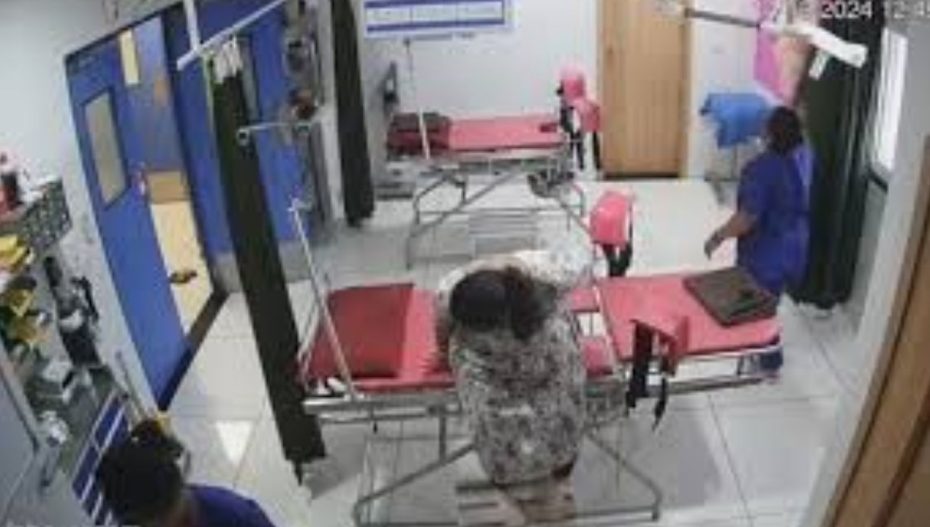
Police are investigating a disturbing case of hacked CCTV footage from a maternity hospital being circulated and sold on Telegram, an incident that has renewed concerns about data protection in a country where surveillance cameras have become part of everyday life.
The case first surfaced earlier this year when journalists alerted Gujarat police to YouTube clips showing extremely sensitive moments inside a maternity facility, including videos of pregnant women undergoing routine examinations and receiving injections on their buttocks.
The videos carried links directing viewers to Telegram channels where longer versions could be purchased.
A media report quoted the hospital’s director saying that the cameras were originally placed to ensure the safety of medical staff. None of the women seen in the clips has lodged a formal complaint.
As officers dug deeper, they say they uncovered an extensive cybercrime operation involving stolen feeds from an estimated 50,000 CCTV cameras across India. The hacked content—originating from hospitals, offices, schools, private homes and other institutions—was allegedly being traded online.
Surveillance systems are now installed almost everywhere in urban India—inside malls, housing societies, workplaces, classrooms, and even bedrooms. But experts note that while cameras are meant to enhance security, poorly configured systems often create new risks. Many CCTV units are maintained by staff with little technical expertise, and some locally produced devices are known to be easy targets for intrusion.
India has witnessed similar incidents in the past.
According to the media report, in 2018, a Bengaluru tech professional said his webcam was compromised and the hacker tried to extort money by threatening to leak private footage. In 2023, a YouTuber learned that his home CCTV feed had been breached when his personal videos appeared online.
The central government has attempted to tighten the rules. Last year, it advised states to avoid procuring CCTV units from companies associated with security lapses and issued guidelines to strengthen cyber safeguards. Yet cases like the Gujarat breach continue to surface.
According to investigators, the Gujarat case opened a trail leading to a wide network of individuals across several states.
“They were breaking into CCTV systems of hospitals, colleges, corporate offices and even private bedrooms,” Lavina Sinha, who heads the Ahmedabad cybercrime division, was quoted in the report.
Hardik Makadiya, Gujarat’s chief cybercrime officer, was quoted saying that the stolen videos were sold for ₹800–₹2,000 ($9–22; £7–17), and some Telegram groups even offered real-time access to hacked cameras through paid subscriptions.
Police have filed cases under multiple sections, including charges related to violating a woman’s privacy, circulating obscene material, voyeurism, and cyber terrorism—a non-bailable offence. Officers say they contacted Telegram and YouTube, and the content has since been removed.
Since February, eight individuals have been arrested—four from Maharashtra and the rest from Delhi, Uttar Pradesh, Gujarat, and Uttarakhand. All are in judicial custody as the case progresses in court.
However, lawyer Yash Koshti, who represents three of the accused, claims the men are being framed and were neither hackers nor part of a cybercriminal network.
Cyber expert Ritesh Bhatia was quoted saying that such breaches are common because many cameras are connected to the internet using default or weak passwords.
“Wireless CCTV systems allow remote access from a mobile phone or laptop. Once these devices are online, hackers can easily detect their IP address and crack the default login,” he explained. Once inside, intruders can watch live footage, download recordings, or even disable the system.
Bhatia was quoted further saying that the “first step to safety” is replacing default credentials and regularly updating passwords with stronger ones that contain a mix of characters. He also recommends periodic cybersecurity audits. Manufacturers, he says, should also play a role by clearly warning buyers to secure their systems—much like health warnings on cigarette packets.
Makadiya confirmed that many of the compromised cameras in this case were using predictable passwords such as “Admin123”. Hackers employed brute-force tools—programs that rapidly generate password combinations—to gain access.
Women’s rights advocate Audrey Dmello of Majlis was quoted in the report saying that CCTV cameras are often installed across India without taking the consent of the people being recorded. She was further quoted saying that institutions, especially those operating in sensitive environments, must take stronger responsibility for safeguarding footage.
“It is absolutely essential for organisations to protect these systems,” she said.
One of the hospitals involved in the case said that cameras in examination and injection rooms were originally meant to shield doctors from false accusations. They have since been removed from those areas.
Gujarat police said neither the hospital nor any patient came forward to register a complaint, forcing police to file one themselves.
“Women fear their identity will be exposed, so they are reluctant to step forward,” an officer said.
Dmello was quoted adding that the intense stigma women face in such situations only deepens the trauma.
“When a sexual angle is attached to a crime, society often blames the woman. Unless we stop shaming victims, women will not feel safe asserting their rights, and offenders will continue escaping accountability,” she said.
Also Read: Ahmedabad Police Nabs Three in Rajkot Hospital CCTV Leak Case https://www.vibesofindia.com/ahmedabad-police-nabs-three-in-rajkot-hospital-cctv-leak-case/