

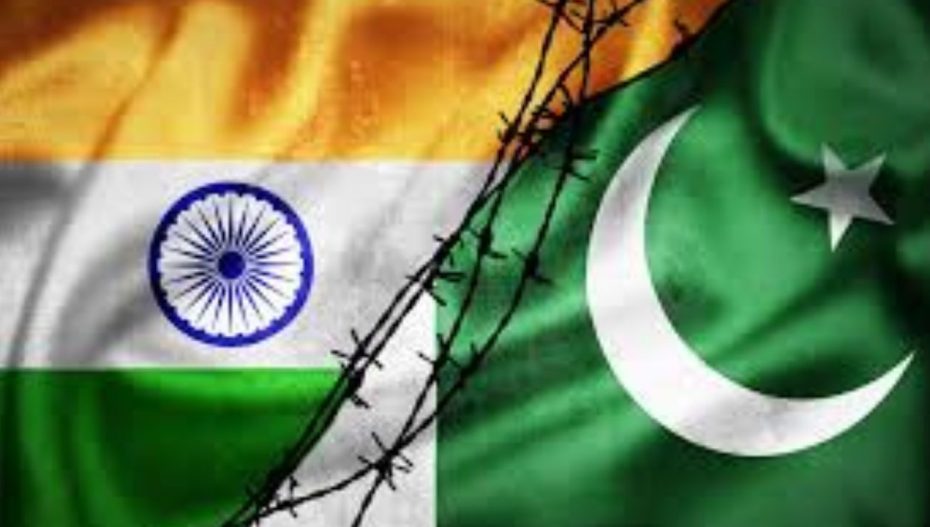
A group of media professionals and concerned citizens from Southasia and the diaspora have jointly expressed serious concern over the continued blocking of Indian news websites in Pakistan and Pakistani news websites in India, calling the reciprocal bans a threat to press freedom and the public’s right to information.
In a joint statement issued recently, the signatories said the restrictions prevent people on both sides of the border from accessing news, perspectives and ground realities from neighbouring countries, further shrinking what they described as an already constrained public sphere.
The statement acknowledged that sections of the media in both India and Pakistan have, at times, contributed to misinformation, sensationalism, war hysteria and panic, which undermine public trust, endanger lives and weaken democratic institutions. However, it argued that blanket bans on news platforms are not a solution to these problems.
“Blocking access to information does not address misinformation or unethical journalism,” the statement said, adding that accountability, ethical journalism, transparent regulation and independent oversight are more effective responses.
The signatories emphasised that engagement with each other’s media — even when coverage is uncomfortable or critical — is essential for informed citizenship, democratic accountability and peacebuilding. They warned that banning news websites does not erase realities on the ground, but instead limits people’s ability to understand them.
Calling on the governments of India and Pakistan to act, the group urged both countries to immediately lift the bans and restore access to cross-border journalism. The statement appealed to the two states to uphold freedom of expression, press freedom and the public’s right to information, as guaranteed under international human rights frameworks.
The joint statement also invited media organisations, journalist unions, civil society groups, academic institutions and peace networks across Southasia and beyond to endorse the appeal and collectively urge both governments to reverse the restrictions.
“Opening windows to information is not a threat,” the statement concluded. “It is a step toward understanding, accountability and a more peaceful Southasia.”
Among those who have urged the governments include Southasia Peace Action Network; The Network of Women in Media, India; Vibes of India, India; senior journalists Siddhartha Varadrajan and Rajdeep Sardesai; senior journalist Deepal Trivedi and media professional Rupa Mehta.
Also Read: White House “Media Bias” Page Draws Criticism For Targeting Press https://www.vibesofindia.com/white-house-media-bias-page-draws-criticism-for-targeting-press/