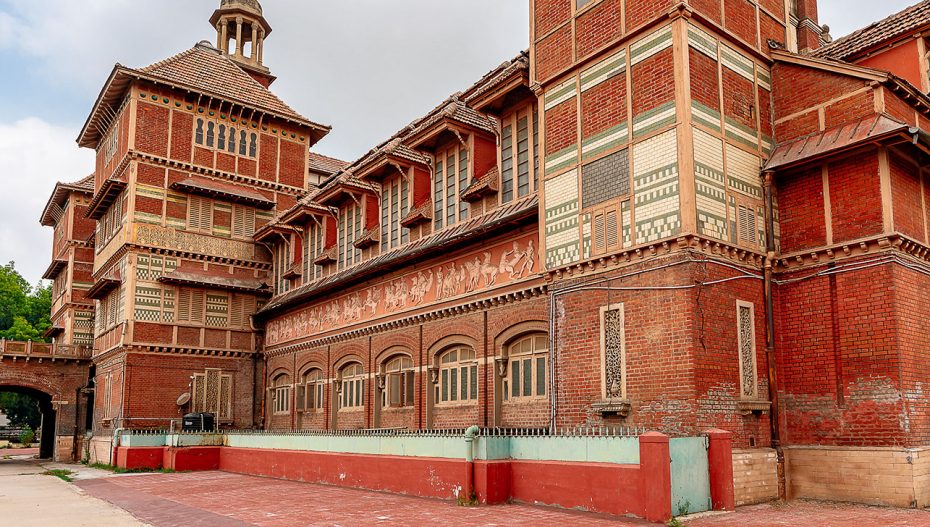
The 130-year-old Baroda Museum and Picture Gallery will unveil its ‘hidden’ treasure on Ramayana which was so far away from public glare. The museum is holding an exhibition ‘The Ramayana’ to the public from its permanent collection.
The exhibition will showcase Ramayana theme paintings based on Ramcharitamanas. The paintings are of Rajasthani Mewar styles of the mid-18th century and folios of Pahari styles of the early 18th century from the story of sage Rishyasringa. It is one of the oldest museums in the country.
“In all, we will be exhibiting 38 paintings from our permanent collection,” said Dr Indubala Nahakam, curator of Baroda Museum & Picture Gallery and the special exhibition titled ‘The Ramayana’ that will be held at Sayaji Hall till January 31.
“Not only paintings, but our museum also has the collection of engraved textiles with the script of ‘Ram Ram, Shri Ram’ and a copper plate depicting the scenes of Ramayana,” she said, adding that a sculpture of Ram from Chola period and a sculpture of Lord Hanuman has been displayed at the museum garden.
One of the paintings from the Guler style of Pahari painting which will also be displayed is an iconic presentation of Ram, Sita enthroned while Hanuman is worshipping him with folded hands.
The Rajasthani school of styles starts from ‘yajna’, the birth of Rama, his youthful days in Ayodhya, marriage of Sita at Mithila and the painting showing departure for 14 years of exile. “Paintings of meeting with Rishi Valmiki, ascetic life in Chitrakoot and cremation of King Dasharatha will also be displayed,” she said.
The story of Sage Rishyasringa is depicted in the epics of Ramayana and Mahabharata.
“In Ramayana, the rishi performed the Putrakamesthi yagna for King Dasharatha who desired to have a male child after which Ram and his three brothers were born,” she said.
Also Read: Gujarat Children Among Most Vitamin B12, Folate Deficient In Country, Finds Study