


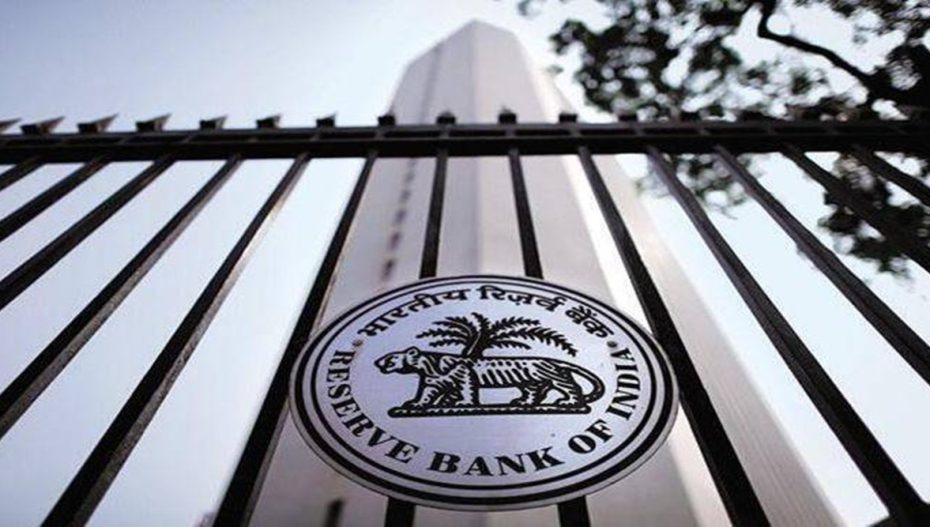
Housing loan customers have something to smile about. The central bank has cut down the repo rate by 50 basis points (bps), making it cheaper to borrow. The Reserve Bank of India (RBI) has eased interest rates, reducing their home-loan strain.
Several banks have already responded to the RBI’s earlier repo rate cuts in February and April 2025, reducing their External Benchmark Lending Rates (EBLRs).
The cut in the repo rate directly impacts home loan interest rates. With lower borrowing costs, home loan EMIs are set to reduce or loan tenures may shorten, offering financial relief to scores of borrowers.
The Cash Reserve Ratio (CRR) has also been reduced by 100 bps (from 4% to 3%) giving banks more flexibility to lend at lower rates.
According to a report by a business daily, the RBI has changed its monetary policy stance from “accommodative” to “neutral.”
Another driver behind the RBI’s decision is the slower credit growth forecast for FY26. As per the SBI report, commercial banks’ credit growth dropped to 9.8% as of May 16, 2025, down from 19.5% a year ago. In contrast, deposits rose by Rs 3.06 lakh crore, while credit declined by Rs 15,676 crore in April and May.
Economic growth is showing signs of strain. As Bajaj Broking notes, GDP growth appears to be softening, worsened by external shocks such as trade disruptions from recent US policy moves.”
With inflation under control, the RBI’s focus is shifting toward reviving growth through a more accommodative interest rate environment.
According to SBI, 35.9% of home loans are still linked to the Marginal Cost of Funds-based Lending Rate (MCLR). However, MCLR-based loans have a slower rate reset cycle compared to EBLR. In a falling rate environment, switching to an EBLR-linked loan can help borrowers benefit more quickly from rate reductions.
The SBI report forecasts that the RBI may reduce the repo rate by a total of 100 bps in FY 2025-26. With 25 bps already cut in April 2025 and the latest 50 bps reduction, there may still be room for another 25 bps cut later in the financial year.