

Gujarat may aspire of becoming a state free of malnutrition, but the state confronts a different reality. And a strong one at that.
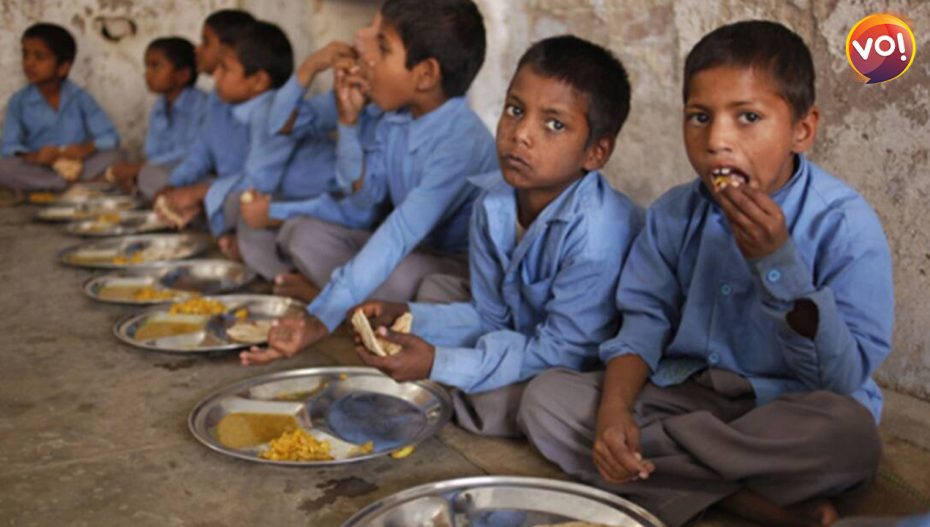
Recent data presented before the Parliament reveals that children and mothers are severely undernourished.
As many as 3.21 lakh children under the age of five are malnourished. The physical and cognitive development of infants and toddlers remain cruelly stunted.
Health experts have cautioned that children remain vulnerable to lifelong health issues for want of right nutrition. In the long run, their learning capacity could be limited which, in turn, can impact the nation’s productivity.
The scenario is in stark contrast to the state that prides itself on policy implementations, administrative efficiency and economic growth.
Despite years of announcements and more than a dozen schemes, the numbers have barely moved. Tribal villages remain the worst affected. The data exposes a reality that slogans have failed to hide.
It must be mentioned here that Gujarat runs several nutrition and maternal welfare programmes, including Janani Suraksha Yojana, Kasturba Poshan Sahay Yojana, Pradhan Mantri Matru Suraksha Abhiyan, Pradhan Mantri Matruvandana Yojana, and the Malnutrition-Free Gujarat Abhiyan. These schemes are designed to ensure nutritional support, prenatal care, and postnatal assistance for mothers and children.
Yet, Anganwadi centres in many areas were found to be under-resourced, nutrition supplies irregular, and monitoring mechanisms weak, particularly in remote tribal regions.
Money is allocated. But the schemes exist only on paper. Delivery breaks down in tribal belts. Consequently, women and children remain at the margins.
The opposition has questioned why malnutrition indicators remained high despite continuous funding. Allegations were raised of systemic corruption, with claims that some officials and intermediaries had turned welfare schemes into profit pipelines, leaving tribal women and children excluded from benefits.
Gujarat Congress spokesperson Manish Doshi alleged that most schemes turn into scams rather than reaching beneficiaries. “M malnutrition could be addressed if schemes were implemented in letter and spirit,” he told Vibes of India, adding that mothers, whose nutritional needs are often taken for granted, needed deep care.
Adding to the concern was the prevalence of anemia among tribal women.
Central Government data showed that 78 per cent of tribal women aged between 15 and 49 in Gujarat were anemic. Health experts have pointed out that anemia weakens immunity, increases pregnancy-related risks, and often contributes to low birth weight and childhood malnutrition, continuing the cycle across generations.
Although programmes such as Anemia-Free India, the Nutrition Rehabilitation Programme, and maternal health initiatives were officially operational, their effectiveness in tribal areas remained questionable due to limited healthcare access and low awareness.
The data has triggered a reassessment of Gujarat’s development narrative. Experts stressed that infrastructure growth and economic indicators held little value if basic nutrition and healthcare failed to reach large sections of the population. They emphasised the need for transparent governance, strict accountability, and effective last-mile delivery.
Also Read: Progress Or Pretense? Gujarat’s Malnutrition Rates Expose Stark Reality https://www.vibesofindia.com/progress-or-pretense-gujarats-malnutrition-rates-expose-stark-reality/