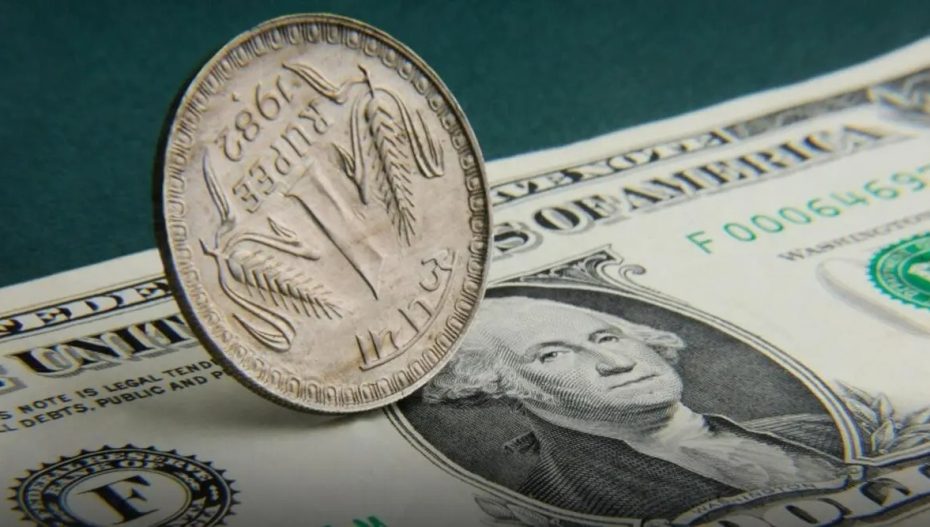
The rupee is under severe strain as foreign investments into India have slowed sharply. Money leaving the country is rising, pushing net flows towards zero. These are the key inferences experts draw while explaining the weakening rupee.
The main reason for the rupee’s weakness, experts believe, has often been India’s trade deficit. In simple words, India imports more than it exports. This creates a current account deficit. More money, mostly dollars, flows out of India than comes in.
There has always been another side to this. Because of India’s growth potential, the country received a lot of foreign investment. This came as Foreign Direct Investment, such as money put into building a factory, and as Foreign Portfolio Investment, such as buying shares. The surplus from these investments usually helped cover the deficit on the trade or current account.
The focus now is on how net foreign investments have fallen. Net means the money entering India minus the money leaving India. This drop has added to the rupee’s weakness.
Foreign Direct Investment into India has fallen sharply in recent years. At the same time, Indian investments going out of the country have increased. Foreign investors are holding back on committing money to India through the FDI route. This is important because FDI suggests confidence and long-term commitment. The data available up to March 2025 shows this clear decline.
The same trend continues in the current financial year. FDI coming into India has kept falling. Indian investments abroad have become higher than foreign FDI into India. It’s held that this goes against the spirit of the Swadeshi call, which encourages investing within the country.
As a result, net FDI has dropped close to zero. This means the inflow and outflow of FDI are almost equal. The pattern remains the same in the ongoing financial year.
Foreign Portfolio Investment also shows a negative trend, according to a report by a national daily. Net FPI has turned negative. Indians are investing more money in stocks and shares abroad than foreigners are investing in Indian markets.
When more money leaves India than enters, the rupee weakens. This happens because dollars are in higher demand than the rupee.
The trend appears counter-intuitive. The Indian economy is growing faster than many comparable economies. Indian companies should be performing well. Foreign investors should be eager to invest in India. But the present scenario also raises the question of whether the GDP growth numbers are overstating India’s momentum.
Also Read: Rupee Crashes To Record Low Against Dollar Amid Trade And FPI Pressures https://www.vibesofindia.com/rupee-crashes-to-record-low-against-dollar-amid-trade-and-fpi-pressures/