A quiet revolution has been building on India’s roads. Cities are growing denser. Pollution levels are climbing alarmingly. Climate warnings are turning critical. The call for a cleaner, more intelligent, and future-ready mobility system is no longer distant. It’s immediate and unmistakable.
Tesla has been leading the movement of electric cars, an answer to clean energy. The automotive giant, after years of anticipation, is making its debut in the Indian market with the launch of its first showroom at Mumbai’s Maker Maxity Mall in the Bandra Kurla Complex.
According to reports, Tesla unveiled prices for its cars, listing the on-road cost of the much-talked-about Model Y at Rs 61 lakh. Reports added that the rear-wheel drive variant will be offered at a cash price of Rs 59.89 lakh.
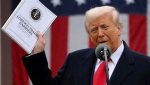
Elon Musk had often voiced his interest in India—but just as often, he’s flagged high import duties as a deal-breaker.
That roadblock may be clearing. India’s new EV policy, offering lower duties and fresh incentives, could finally smooth Tesla’s entry.
In April, Prime Minister Narendra Modi and Musk spoke by phone to discuss tech and innovation partnerships. The conversation followed a face-to-face meeting during Modi’s US visit in February, a sign of greater things to come.
The story started in 2016, when Tesla began accepting pre-orders for the Model 3 from Indian customers. It was an early signal of the company’s interest and a testament to the brand’s magnetic pull. Yet, the dream stalled.
This year Tesla refunded those bookings, hinting at an uncertain road.
In 2017, Elon Musk publicly acknowledged one of the primary barriers to entry: “100 per cent import duties on luxury vehicles” in India. This taxation structure posed a formidable challenge.
January 2021 heralded, what is called, a new dawn. Tesla announced the launch of Tesla India Motors and Energy Pvt Ltd in Bangalore. In a sign of a warm handshake, Minister of Road Transport and Highways of India Nitin Gadkari announced Tesla would enter via CBU imports. Yet, like an itch that never goes, the issue of steep import duties lingered.
Tesla’s engagement deepened in 2022. In January, Musk once again voiced his concerns about India’s “very high import duties.” Nevertheless, the company initiated the homologation process for four of its models and carried out extensive road tests of the Model 3. Later that year, Tesla began hiring in Mumbai across 13 different roles—building a local presence. At the same time, it explored plans for a $2 billion factory in either Gujarat or Maharashtra.
By mid-2023, talks stalled. India insisted on local manufacturing terms. Tesla, at that point, was not ready to accept them.
The breakthrough came in March 2024. India introduced the SPMEPCI policy, a landmark decision that slashed import duties on EV CBUs priced above $35,000 to 15 per cent. The catch: manufacturers had to invest at least Rs 4,150 crore ($500 million), begin local production within three years, and meet domestic value addition targets—25 per cent within three years and 50 per cent within five. An annual cap of 8,000 imported units was also part of the deal. It was a decisive move that changed the game for global EV makers looking to tap into India’s vast market.
Early this year, Tesla sped up hiring in Mumbai and Delhi. It built teams for sales, service, and Autopilot operations. Meanwhile, other global players voiced interest in India’s new EV policy. Tesla stayed focused on execution.
Now, in July 2025, Tesla is here.
Also Read: Gujarat ATS Uncovers Bogus Arms Licence Racket https://www.vibesofindia.com/gujarat-ats-uncovers-bogus-arms-licence-racket/