


In two different, yet equally telling episodes, the conflict involving individual health, human rights, and immigration law comes into sharp focus.
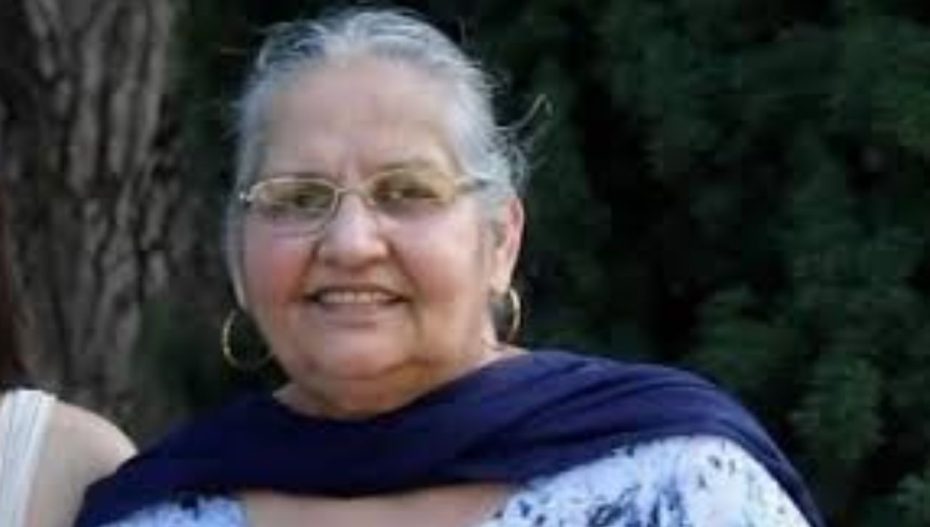
One case involves a 73-year-old widow deported after decades in the US.
The other concerns a murder accused denied permission to leave India for medical care abroad.
These stories are reminders of how immigration and justice systems across borders can impact lives caught between legal rigidity and humanitarian concerns.
Harjit Kaur’s story began in 1991. She reportedly arrived in the US as a single mother. She worked as a seamstress in an Indian saree store, paid taxes, and volunteered at gurdwaras.
She applied for asylum, an effort that was eventually rejected. Kaur continued to live in the US, attending regular ICE check-ins. She renewed her work permits each year while awaiting travel documents from the Indian consulate. Her lawyer, Deepak Ahluwalia, told a media house that a removal order had been issued in 2005. Her final asylum appeal was rejected in 2012.
Not allowed to say good-bye
She had a clean record and longstanding community ties. Naturally, her detention on September 8 came as a shock.
Kaur was arrested during what she thought was a routine check-in at the San Francisco ICE office.
Her family revealed she was transferred between detention centers in Fresno and Bakersfield. Not just that, she was held in bare concrete cells. She was reportedly even denied consistent access to prescribed medication for her high blood pressure and diabetes.
She was not even allowed to say goodbye to her family or collect her belongings, said Ahluwalia in an Instagram post, describing the deportation as “inhumane”.
Kaur was flown from Bakersfield to Los Angeles, and then via a chartered ICE flight to Georgia, Armenia, and finally to Delhi, arriving at Indira Gandhi International Airport on September 23. “We had just two demands: first, to send her back on a commercial flight, and second, to let her meet her family for a few hours. But they refused to listen,” the lawyer told media houses.
Beyond unacceptable
The Sikh Coalition, a US-based rights group, called ICE’s actions “beyond unacceptable”, especially given Kaur’s age and medical condition.
While many protested in California with placards reading “Hands off our grandma” and “Harjit Kaur belongs here”, ICE stuck to its stand.
Kaur has filed multiple appeals all the way up to the Ninth Circuit Court of Appeals and LOST each time. Now that she has exhausted all legal remedies, ICE is enforcing US law and the orders by the judge; she will not waste any more US tax dollars, it told the BBC.
Kaur’s deportation is part of a broader wave under President Donald Trump’s second term, which began in January 2025.
Reports, citing data by the Ministry of External Affairs, revealed that at least 1,703 Indian nationals had been deported by late July, over 90 per cent from just five states: Punjab (620), Haryana (604), Gujarat (245), Uttar Pradesh (38), and Goa (26).
A February 5 flight with 104 shackled deportees to Amritsar drew widespread outrage, followed by another similar flight that same month.
We turn to another page.
Dargahwala’s worsening condition
Meanwhile, in Gujarat, the High Court denied Jafar Dargahwala’s plea to travel to the US for cancer treatment. A US citizen for over four decades, Dargahwala faces charges of murder and criminal conspiracy in a 2022 dispute over ancestral property in Navsari. Though he was granted regular bail on health grounds in March 2024, the court restricted his movement to Gujarat and medical visits to Mumbai, requiring him to surrender his passport.
According to reports, in a fresh application, Dargahwala claimed that his condition had worsened. He had spent over Rs 20 lakh on treatment, suffered a cardiac arrest and a paralytic stroke, and was now bedridden.
Arguing that he needed to be with his family in the US for better care, he requested a six-month relaxation in bail conditions.
His lawyer noted that his absence wouldn’t delay trial proceedings, as he had not been attending hearings recently due to poor health. The complainant’s counsel, however, opposed the plea, calling the case a “supari killing” and warning that Dargahwala might abscond permanently if allowed to leave. The prosecution highlighted that 61 extradition requests from India to the US were still pending.
Rejecting the plea, Justice DA Joshi has said that medical facilities are available in India and the applicant can easily avail of the same.
Kaur’s deportation has sparked protests. Dargahwala’s medical plea drew legal scrutiny. Both cases reflect the frictions at the intersection of health, justice, and migration policy.
Also Read: Trump Slaps 100% Tariff On Branded Drugs; India’s Pharma Exports In Crosshairs https://www.vibesofindia.com/trump-slaps-100-tariff-on-branded-drugs-indias-pharma-exports-in-crosshairs/