


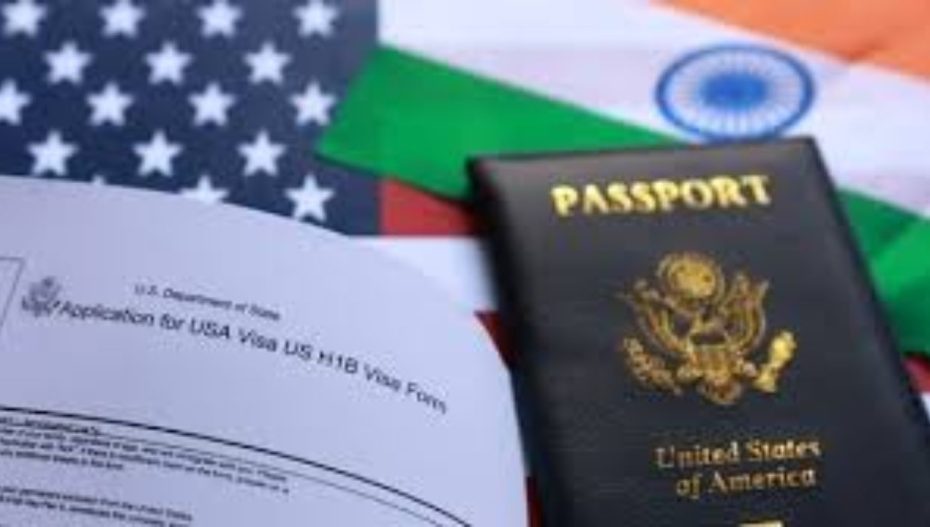
As the United States government enters a shutdown, several federal services are coming to a halt. Numerous government agencies are either suspending operations or requiring employees to work without pay until funding is restored. Among the most severely impacted areas is immigration processing—particularly for H-1B visas and employment-based green cards, which are vital for thousands of Indian nationals working in the U.S.
Immigration attorneys have indicated that the shutdown has cut off funding for the U.S. Department of Labor (DOL), a critical player in the immigration process. Before companies can sponsor foreign workers under the H-1B program, they must first file a Labour Condition Application (LCA) with the DOL. This approval is a prerequisite before cases can move forward with immigration authorities.
In addition, the DOL is responsible for issuing PERM certifications—essential documentation that enables foreign workers to apply for employment-based permanent residency in the U.S.
With the DOL’s operations paused as of October 1, individuals whose LCAs were not approved before that date are now in limbo. “Anyone who hasn’t secured LCA approval before October 1 cannot initiate new H-1B filings, transfer jobs, or switch to H-1B status. These processes are frozen until the Department resumes its functions,” Henry Lindpere, an immigration attorney at Manifest Law, was quoted in media reports.
Major Implications for Indian Nationals
The potential freeze on H-1B and green card processing is especially concerning for Indian professionals, who represent a significant share of recipients under these programs. Over 70% of H-1B visa holders are of Indian origin, making this demographic particularly vulnerable to the current disruption.
Sophie Alcorn, an immigration lawyer based in Silicon Valley, was quoted saying that while cases already in progress may continue without interruption, those looking to initiate new applications are likely to face delays. “The DOL shutdown brings an uneven impact—it largely leaves existing applications untouched, but delays new filings. This is especially significant for the Indian community, which forms a major chunk of H-1B and green card applicants,” she was quoted in a media report.
Some Relief for Ongoing Cases
There is a silver lining for individuals who already have approved certifications. Since the U.S. Citizenship and Immigration Services (USCIS) is funded through visa application fees, it remains operational during the shutdown. That means it can continue processing cases already in the pipeline.
This new setback for H-1B hopefuls comes on top of ongoing uncertainty surrounding potential changes to the visa system. The Trump administration has previously proposed major overhauls to the program, including prioritizing higher-wage applicants in the H-1B lottery and introducing steep fee hikes. One such proposal included increasing application fees by up to $100,000 for certain applicants—a move seen as particularly detrimental to Indian tech professionals.
When Will the Shutdown End?
The government shutdown officially began at 12:01 a.m. on October 1, with no clear resolution in sight. The last shutdown, also under President Donald Trump, lasted 35 days—from December 22, 2018, to January 25, 2019—making it the longest in over four decades.
This latest closure is expected to lead to significant layoffs and furloughs among federal workers. Commenting on the political implications of the shutdown, Trump remarked, “Shutdowns can do a lot of good. We can cut out a lot of what we didn’t want—and those would be Democrat things.”
Also Read: Rahul Gandhi Demands Probe Into Journalist’s Death In Uttarkashi, Flags BJP Pattern Of Targeting Media https://www.vibesofindia.com/one-more-journalist-killed-in-india/