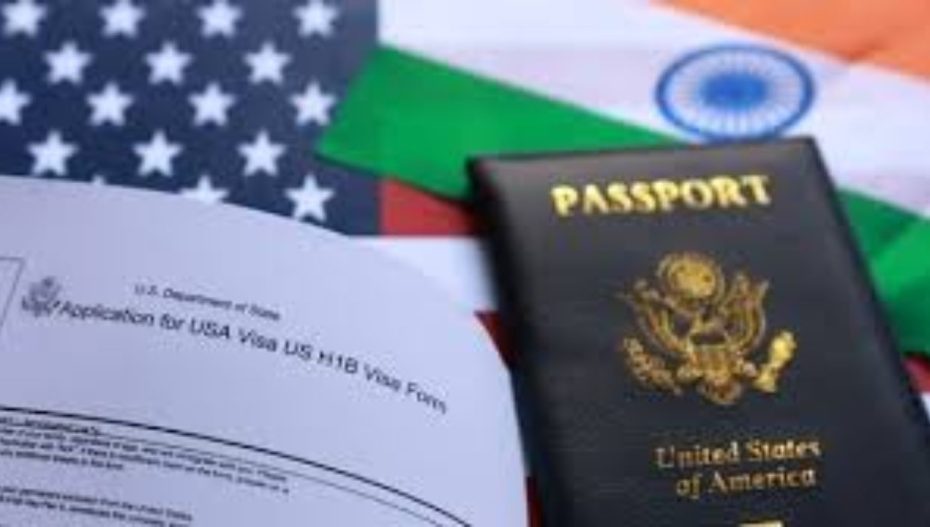
As the tech world braces for the next H-1B visa season, the Department of Homeland Security is changing the rules of the game. The decades-old lottery system that randomly awarded visas is being replaced with a new approach designed to favour higher-paid, highly skilled foreign workers. It’s a move that could reshape the way US companies hire talent from abroad.
US Citizenship and Immigration Services spokesman Matthew Tragesser told the media that the previous random selection process of H-1B registrations had been exploited by US employers primarily seeking to import foreign workers at wages lower than what they would pay American workers.
Earlier this year, President Donald Trump signed a proclamation imposing a $100,000 annual H-1B visa fee on highly skilled workers, which is currently being challenged in court. The president also introduced a $1 million “gold card” visa as a pathway to US citizenship for wealthy individuals.
Media outlets reported that the new system will use a weighted selection process. It will give higher chances to higher-skilled and higher-paid foreign workers. It starts on February 27, 2026.
It will apply to the next H-1B registration season. Supporters say the program helps hire healthcare workers and educators.
They also say it drives innovation and economic growth in the US and fills specialised jobs.
Critics say visas often go to entry-level positions, not senior roles. Companies can pay lower wages by labeling jobs at the lowest skill levels even if workers are experienced. The yearly visa cap is 65,000 plus 20,000 for master’s degree holders.
Historically, H-1B visas have been awarded through a lottery system. This year, Amazon received the highest number of visas, with more than 10,000 approved, followed by Tata Consultancy Services, Microsoft, Apple, and Google. California continues to have the largest concentration of H-1B workers.
The new system will use a weighted selection process. It will give higher chances to higher-skilled and higher-paid foreign workers. It starts February 27, 2026. It will apply to the next H-1B registration season. Supporters say the program helps hire healthcare workers and educators.
They also say it drives innovation and economic growth in the U.S. and fills specialised jobs.
Critics say visas often go to entry-level positions, not senior roles. Companies can pay lower wages by labelling jobs at the lowest skill levels even if workers are experienced. The yearly visa cap is 65,000 plus 20,000 for master’s degree holders.
Also Read: H-1B Social-Media Screening Intensified: India’s IT Sector Faces Uncertainty https://www.vibesofindia.com/h-1b-social-media-screening-intensified-indias-it-sector-faces-uncertainty/