


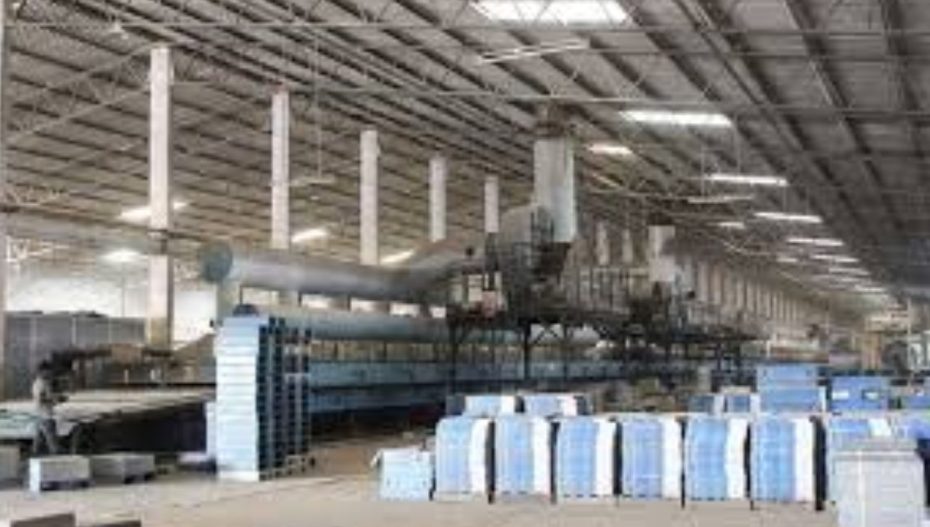
The escalating conflict in the Middle East is beginning to cast a shadow over Gujarat’s Morbi — one of the world’s leading ceramic tile manufacturing hubs. With fuel supplies from the Gulf region facing severe disruption, the industry is bracing for a potential shutdown that could impact lakhs of workers and ripple through the local economy.
Fuel Lifeline Under Threat
Morbi’s ceramic sector runs primarily on Propane and natural gas, both crucial for firing kilns that produce tiles used widely in construction projects across India and overseas. However, ongoing tensions in the Gulf have severely strained gas supply lines.
The trouble reportedly began last month when operations at a Saudi port were disrupted. Industry representatives say the ongoing war has compounded the problem, further choking shipments of critical fuel supplies.
Hareshbhai Bopaliya, president of the ceramic tile manufacturers’ association, has been quoted in the media saying that the situation is precarious. “We have Propane stocks that can last barely three days and natural gas reserves for about a week. If fresh supplies do not arrive immediately, production will have to stop,” he said, warning of an imminent crisis.
Association members recently met officials from Gujarat Gas to assess the situation. Both sides acknowledged that a prolonged conflict could worsen supply shortages and push the sector into deeper trouble.
A Major Industrial Backbone At Risk
Morbi is home to over 600 ceramic manufacturing units, forming one of the largest clusters of its kind globally. The sector directly and indirectly provides employment to more than four lakh people.
Any disruption to production would not only stall factories but also jeopardise livelihoods on a massive scale. Transporters, traders, packaging units, and ancillary service providers linked to the ceramic ecosystem could all feel the impact.
Industrialist Manibhai Bavarva has been quoted describing the situation as critical. “Our entire fuel chain depends on the Gulf. If supplies are not restored to normal levels, several units may be forced to shut operations,” he said.
Beyond availability, pricing is another major concern. If hostilities continue, global gas prices could spike sharply. “If gas prices double and we pass on the increased cost to customers, the market must be willing to absorb it. That is a huge uncertainty,” Bavarva noted.
A steep rise in production costs could make Morbi’s tiles less competitive domestically and internationally, further straining the sector.
Global Energy Routes Disrupted
The industry’s vulnerability stems from larger geopolitical developments. Nearly 20 per cent of the world’s liquefied natural gas (LNG) supplies transit through the Strait of Hormuz — a strategic maritime passage now under strain due to the conflict.
Shipping movement in the region has slowed considerably since the war began. Iran has warned it may target vessels attempting to pass through the strait, intensifying fears of supply bottlenecks and price surges.
Adding to concerns, Iran has reportedly targeted energy facilities in parts of the Gulf amid retaliatory strikes linked to US and Israeli military actions. Some of the affected nations, including Qatar, rank among the world’s major gas exporters. Any prolonged disruption in these countries could have cascading consequences for energy-dependent industries worldwide.
Call For Government Intervention
With inventories depleting rapidly, Morbi’s industry leaders are urging immediate government intervention. They are seeking alternative fuel arrangements or emergency measures to ensure continuity of production.
If factories are forced to halt operations, the economic fallout could extend far beyond Morbi. The town’s growth over the years has been closely tied to the success of the ceramic sector, and a prolonged shutdown could affect local businesses, daily wage workers, and supply chain partners.
For now, manufacturers are monitoring the situation closely, hoping for swift stabilisation in the Gulf. But if the war persists and gas flows remain restricted, one of Gujarat’s most vital industrial clusters may soon confront one of the toughest tests in its history.
Also Read: Morbi Ceramic Industry: Scare of US Anti-Dumping Duty is Real https://www.vibesofindia.com/morbi-ceramic-industry-scare-of-us-anti-dumping-duty-is-real/