


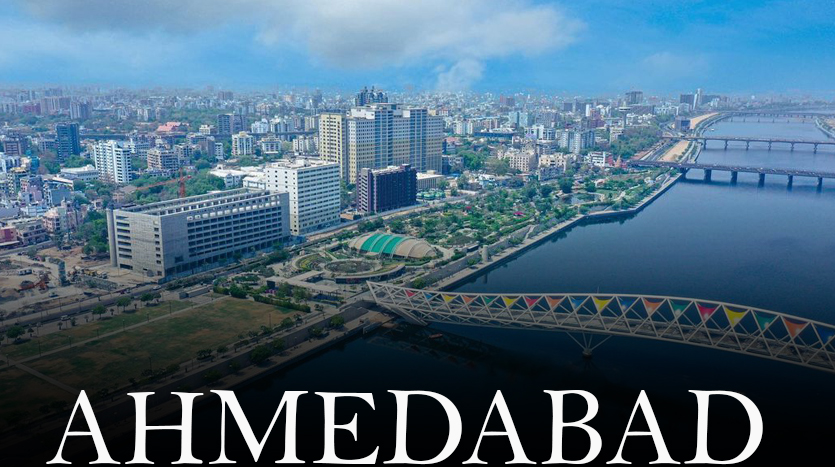
Slowly and surely Ahmedabad is becoming one of India’s most compelling real estate stories. Steady infrastructure growth, rising investor confidence, and a strengthening economic identity have pushed the city’s housing sales to around Rs 67,000 crore in 2025. That, according to a Credai report, is enough to account for 8% of India’s entire primary residential real estate sales value.
India’s primary residential market reportedly clocked sales of over 6.14 lakh units last year, translating into nearly Rs 8.44 lakh crore in total sales value.
Ahmedabad’s standing in that national performance is underpinned by more than just numbers. The city ranks third on the ease of living index. It has established itself as a rapidly growing economic hub. These factors, the report cites, are key drivers of its housing demand.
Price growth has been consistent. The city recorded a compound annual growth rate of 3.4% in housing prices over the last five years.
Last year alone, Ahmedabad’s house price index rose 2.9%, which the report attributed to strong demand, economic expansion and infrastructure development. The city’s air quality index of 130, classified as moderate, was also noted.
The 3BHK apartment is the dominant format in Ahmedabad’s residential market, both in new supply and in sales.
According to a Credai official, 3BHKs lead new supply by a wide margin, largely in the sub-Rs 50 lakh to Rs 1 crore segment.
The official added that 2BHKs follow with a strong affordable and mid-segment presence. However, 4BHKs cater mainly to premium buyers.
Sales data supports this claim. The Rs 50 lakh–Rs 75 lakh segment saw the highest number of units sold at 10,923, followed by the Rs 75 lakh–Rs 1 crore bracket with 6,969 units and the Rs 1 crore–Rs 1.5 crore segment at 5,300 units.
Unsold inventory tracked the same price bands closely — the Rs 50 lakh–Rs 75 lakh segment carried 23,967 unsold units, with 16,195 in the Rs 75 lakh – Rs 1 crore range and 13,269 in the Rs 1 crore–Rs 1.5 crore category.
At the national level, premium housing continued to dominate in value terms. Homes priced above Rs 1 crore contributed nearly 78% of total sales value in 2025, with the Rs 2 crore-plus segment alone accounting for more than half of that value share.
The report also flagged the growing relevance of Tier 2, 3 and 4 cities. These are emerging as hubs for academics, logistics, warehousing and manufacturing, aided by improved connectivity under the Gati Shakti mission.
India’s real estate sector is currently estimated at Rs 23.5 trillion, representing 7.1% of GDP. The residential segment accounts for 83% of that market, at approximately Rs 19.5 trillion.
Ahmedabad Rides Infrastructure Wave, Claims 8% Of India’s Housing Market
Slowly and surely Ahmedabad is becoming one of India’s most compelling real estate stories. Steady infrastructure growth, rising investor confidence, and a strengthening economic identity have pushed the city’s housing sales to around Rs 67,000 crore in 2025. That, according to a Credai report, is enough to account for 8% of India’s entire primary residential real estate sales value.
India’s primary residential market reportedly clocked sales of over 6.14 lakh units last year, translating into nearly Rs 8.44 lakh crore in total sales value.
Ahmedabad’s standing in that national performance is underpinned by more than just numbers. The city ranks third on the ease of living index. It has established itself as a rapidly growing economic hub. These factors, the report cites, are key drivers of its housing demand.
Price growth has been consistent. The city recorded a compound annual growth rate of 3.4% in housing prices over the last five years.
Last year alone, Ahmedabad’s house price index rose 2.9%, which the report attributed to strong demand, economic expansion and infrastructure development. The city’s air quality index of 130, classified as moderate, was also noted.
The 3BHK apartment is the dominant format in Ahmedabad’s residential market, both in new supply and in sales.
According to a Credai official, 3BHKs lead new supply by a wide margin, largely in the sub-Rs 50 lakh to Rs 1 crore segment.
The official added that 2BHKs follow with a strong affordable and mid-segment presence. However, 4BHKs cater mainly to premium buyers.
Sales data supports this claim. The Rs 50 lakh–Rs 75 lakh segment saw the highest number of units sold at 10,923, followed by the Rs 75 lakh–Rs 1 crore bracket with 6,969 units and the Rs 1 crore–Rs 1.5 crore segment at 5,300 units.
Unsold inventory tracked the same price bands closely — the Rs 50 lakh–Rs 75 lakh segment carried 23,967 unsold units, with 16,195 in the Rs 75 lakh – Rs 1 crore range and 13,269 in the Rs 1 crore–Rs 1.5 crore category.
At the national level, premium housing continued to dominate in value terms. Homes priced above Rs 1 crore contributed nearly 78% of total sales value in 2025, with the Rs 2 crore-plus segment alone accounting for more than half of that value share.
The report also flagged the growing relevance of Tier 2, 3 and 4 cities. These are emerging as hubs for academics, logistics, warehousing and manufacturing, aided by improved connectivity under the Gati Shakti mission.
India’s real estate sector is currently estimated at Rs 23.5 trillion, representing 7.1% of GDP. The residential segment accounts for 83% of that market, at approximately Rs 19.5 trillion.
Also Read: Fewer Borrowers, Bigger Loans: Gujarat’s Housing Market Signals Shift https://www.vibesofindia.com/fewer-borrowers-bigger-loans-gujarats-housing-market-signals-shift/