

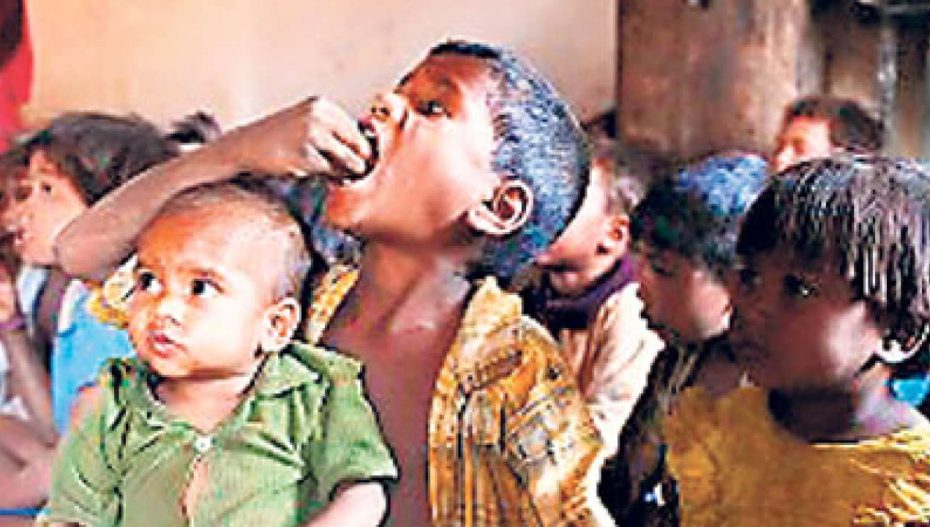
More than two lakh children in Gujarat are malnourished across 20 of the state’s 34 districts, the state government has informed the Assembly — a stark reminder that economic growth has not translated into adequate nutrition for many of the state’s youngest citizens.
Responding to questions raised by MLAs during Question Hour, Women and Child Development Minister Manisha Vakil admitted that 2.05 lakh children had been identified as malnourished in these districts as of January 2026.
Of them, nearly 1.69 lakh children were classified as “underweight”, while 36,805 were listed as “severely underweight”, according to data presented in the House. The figures suggest that malnutrition continues to affect a large number of children despite decades of economic expansion in the state.
District-wise data shows that the burden is particularly high in several rural and tribal belts. Panchmahal reported the highest number of malnourished children at 20,762. It was followed by Banaskantha with 19,391 and Kheda with 18,590.
Other districts with significant numbers include Sabarkantha (16,588), Dahod (16,388) and Chhota Udepur (16,322). Narmada reported 8,881 malnourished children, while Mahisagar recorded 7,838.
Among the 20 districts listed in the government data, the tribal-dominated Tapi district had the lowest number of malnourished children at 4,424. Even urban districts were not untouched by the problem. Ahmedabad district reported 6,411 cases and Gandhinagar district recorded 6,467.
In the past year alone, the number of malnourished children increased in some districts. Kheda and Chhota Udepur together added 1,164 new cases. However, the government also stated that overall the number of malnourished children across these 20 districts had declined by around 1.59 lakh during the same period.
Minister Vakil told the House that the state government has introduced several schemes to tackle the issue. “Fortified nutritious food is provided to children in all Anganwadi centres. Women also receive nutritious food during the crucial 1,000 days before and after childbirth to safeguard the health of their children,” she said.
She added that supplementary nutrition is provided through schemes such as Take Home Ration, Dudh Sanjeevani and Poshan Sudha, which are aimed at improving nutrition among children and mothers.
However, the latest figures have once again revived debate about Gujarat’s child nutrition record. While the state is widely projected as one of India’s most industrialised and investment-friendly regions, health indicators related to children have consistently raised concerns.
Data from the National Family Health Survey (NFHS-5) for 2019–21 showed that around 39 percent of children under five in Gujarat were stunted — meaning their growth had been impaired due to long-term nutritional deficiency. Nearly 26 percent were underweight and about 25 percent suffered from wasting, a condition that reflects acute malnutrition.
Earlier rounds of the survey have also shown slow improvement. In NFHS-3 (2005–06), over 50 percent of children in Gujarat were stunted. NFHS-4 (2015–16) brought that number down to around 39 percent, but progress since then has remained uneven.
Health experts say malnutrition is rarely caused by lack of food alone. Maternal anaemia, poor dietary diversity, sanitation problems, repeated infections and limited access to health services all contribute to the persistence of the problem.
Tribal belts in eastern Gujarat — stretching across Dahod, Chhota Udepur, Narmada and parts of Panchmahal — have historically recorded higher levels of malnutrition. Difficult terrain, poverty and weak healthcare infrastructure often make targeted interventions harder to implement in these areas.
The figures presented in the Assembly therefore highlight not just a public health concern but also a development paradox. Gujarat’s economy has grown rapidly over the past three decades, yet large sections of the population continue to struggle with basic nutrition.
The data has again raised uncomfortable questions about whether economic growth, industrial expansion and rising state revenues have translated into improvements in everyday human development indicators.
Six hard truths behind Gujarat’s malnutrition numbers
• Two lakh children malnourished — the development model faces a human test.
• Tribal Gujarat remains the epicentre of the nutrition crisis.
• Growth in GDP has not guaranteed growth in children’s health.
• Malnutrition today can mean lost productivity tomorrow.
• Anganwadi schemes exist, but delivery gaps remain wide.
• A wealthy state still battling hunger among its youngest citizens.
For policymakers, the challenge ahead is clear. Tackling malnutrition will require sustained investment in maternal health, better functioning anganwadis, improved sanitation and targeted interventions in tribal districts.
Until that happens, Gujarat’s celebrated growth story will continue to carry a troubling footnote — the silent crisis of child malnutrition.
Also Read: Food, Faith and Fascism in New India https://www.vibesofindia.com/food-faith-and-fascism-in-new-india/