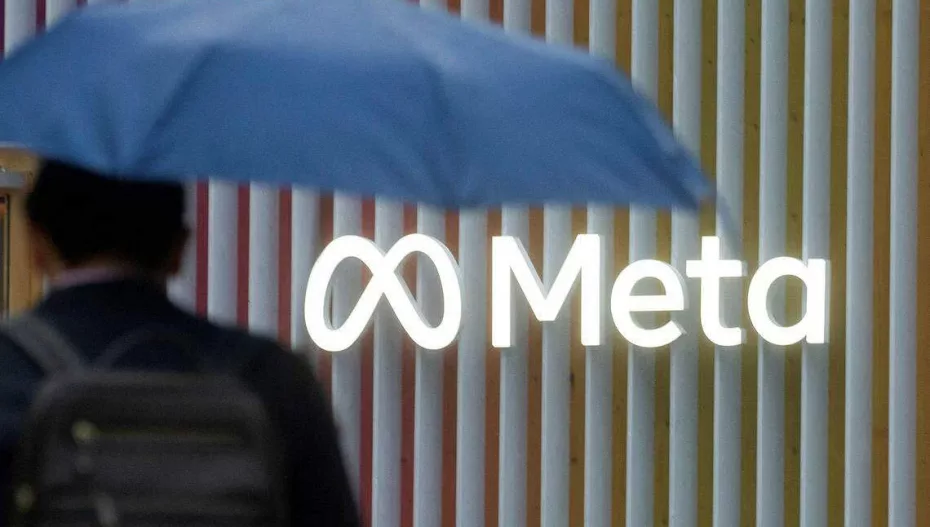
Meta’s reported $900 million investment in Bengaluru-based fintech startup CRED has grabbed headlines across India’s technology and startup ecosystem. But while the size of the investment is impressive, it may not be the most significant part of the story.
The bigger development is that Meta is not only investing in CRED, it is also reportedly entrusting one of its most important products—WhatsApp—to CRED founder Kunal Shah.
According to a Reuters report, Meta plans to invest $900 million in CRED through a deal that values the company at approximately $4.5 billion. The report suggests that Meta will acquire a minority stake, with part of the investment going directly into the company while the rest will allow some existing investors to sell their shares.
At nearly the same time, Kunal Shah announced that he would become the global head of WhatsApp, succeeding Will Cathcart.
Viewed independently, both developments are significant. Viewed together, they reveal something much larger about how Meta sees India, digital payments, and the future of online commerce.
Why CRED?
At first glance, CRED may seem like an unexpected choice. It is not India’s largest fintech company. It does not dominate UPI transactions. Nor does it boast hundreds of millions of users.
For many Indians, CRED is still primarily known as the app that rewards users for paying their credit card bills on time. However, that description no longer captures the scale of what the company has become.
Founded in 2018, CRED initially focused on consumers with strong credit histories. Since then, it has expanded into lending, UPI payments, insurance, rent payments, and wealth-related financial services.
According to Reuters, the platform now serves around 17 million monthly users and processes more than 40 percent of India’s credit card bill payments. Those figures are important. But perhaps even more valuable is the type of customer CRED has managed to attract.
The Audience Meta Wants
For years, internet companies focused on acquiring as many users as possible. CRED took a different path. Instead of targeting everyone, it concentrated on attracting financially active consumers—people who own credit cards, spend online regularly, travel frequently, and are more likely to use a range of financial products. Compared to India’s vast internet population, this audience may be relatively small. Yet it is also one of the most valuable consumer segments in the country.
For Meta, which already understands what users watch, share, like, and discuss online, access to a platform built around high-spending consumers offers something new: deeper insight into how people actually spend their money. And that is where the story becomes particularly interesting.
Meta’s Payments Challenge
Few technology companies have a stronger presence in India than Meta. WhatsApp alone has more than 500 million users in the country, while Instagram has become a major platform for content discovery, creator-led commerce, and shopping.
Yet despite this enormous reach, Meta has struggled to establish itself as a major player in digital payments. The market continues to be dominated by PhonePe and Google Pay. WhatsApp Pay, despite being integrated into India’s most popular messaging app, remains a much smaller participant. That gap matters because the next phase of the internet may not be defined by who owns the conversation. It may be defined by who owns the transaction.
Today, a user might discover a product on Instagram, communicate with a seller through WhatsApp, compare options, and decide to make a purchase. But when it is time to pay, the transaction often happens outside Meta’s ecosystem.
For technology companies, that final step is critical.
Payments generate valuable data, strengthen customer relationships, and create opportunities in lending, commerce, and financial services. In simple terms, payments are where attention becomes revenue.
Why Kunal Shah Matters
This is where Kunal Shah’s reported move to WhatsApp becomes especially significant. Over the past decade, Shah has established himself as one of India’s most influential technology entrepreneurs. He built Freecharge into one of the country’s best-known digital payments platforms before launching CRED.
Along the way, he earned a reputation for identifying major consumer and technology trends before they became mainstream. His appointment as WhatsApp chief therefore carries significance beyond leadership succession.
It places an entrepreneur with deep expertise in fintech, payments, and consumer technology at the helm of one of the world’s largest messaging platforms.
WhatsApp’s future is increasingly linked to commerce and payments—two sectors where Shah has spent years building successful businesses. On paper, Meta’s investment in CRED and Shah’s transition to WhatsApp may be separate developments. Strategically, however, they appear closely connected.
A Vote of Confidence in Indian Fintech
The reported deal is also noteworthy because of its timing. CRED was valued at around $6.4 billion during the startup funding boom of 2022. As global funding conditions tightened and investors became more cautious, that valuation reportedly dropped to approximately $3.5 billion. The new deal values the company at roughly $4.5 billion.
While still below its peak valuation, the figure represents a meaningful recovery and sends a positive signal to the broader startup ecosystem. After years marked by layoffs, valuation cuts, and slowing venture capital activity, a $900 million investment from one of the world’s largest technology companies would represent a strong endorsement of India’s fintech sector.
What Meta May Really Be Betting On
The simplest way to describe the reported deal is as a fintech investment. The more accurate interpretation may be that Meta is investing in an entire ecosystem.
The company already has the audience. It already has the conversations. It already has the merchants. What it lacks is a stronger position in the financial layer connecting all three.
CRED offers access to affluent consumers. Kunal Shah brings deep expertise in payments and consumer technology. WhatsApp provides unmatched scale and reach. Together, those pieces begin to look less like a routine investment and more like a long-term strategic plan. Meta is not simply betting on a startup.
It appears to be betting on a future where social media, messaging, commerce, and payments become increasingly interconnected and difficult to separate. And if that future arrives, the reported $900 million investment in CRED may ultimately be remembered as much more than a fintech deal—it may be seen as a defining move in Meta’s effort to shape the next phase of India’s digital economy.
Also Read: From Telecom Underdog To IPO Billionaire: The Jio Story Of Mahendra Nahata https://www.vibesofindia.com/jio-ipo-mahendra-nahata-5800-crore-windfall-100x-return/