


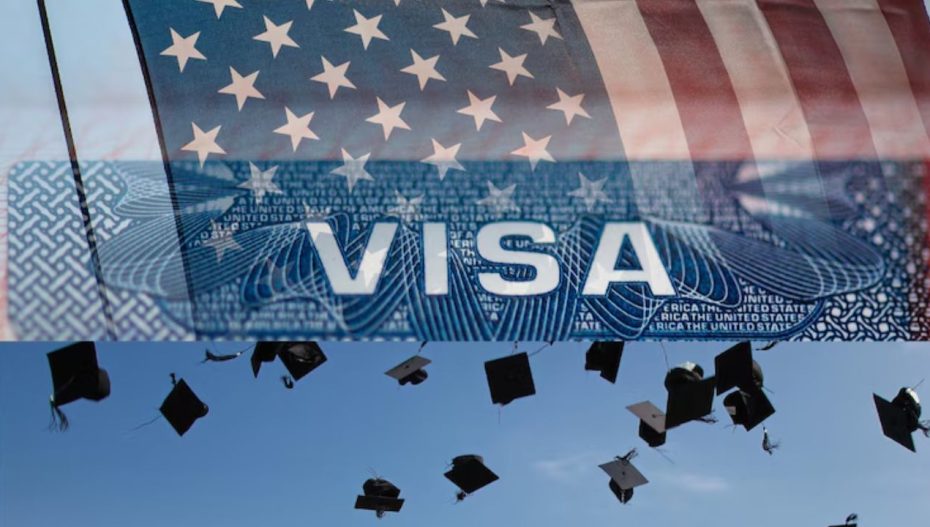
The United States has introduced stricter immigration rules that could have a major impact on people applying for visas, green cards, citizenship, and other immigration benefits. Under the revised policy, immigration officers will now have the authority to deny applications that are incomplete or lack the required supporting documents without first asking applicants to provide additional evidence.
The new guidance took effect immediately and is expected to affect thousands of people, including many Indian students, professionals, families, and others planning to study, work, or settle in the United States.
Applicants Must Submit Complete Applications
The US Citizenship and Immigration Services (USCIS) has clarified that every applicant must prove they are eligible for the immigration benefit they are requesting at the time they submit their application.
Under the updated policy, if an application is missing important documents or does not clearly establish eligibility, immigration officers may deny the request without issuing a Request for Evidence (RFE) or a Notice of Intent to Deny (NOID).
USCIS said the responsibility lies entirely with the applicant to provide all necessary evidence when filing the application. Applicants must also remain eligible throughout the time their case is being reviewed.
What Has Changed?
Previously, under a policy followed during the Biden administration, immigration officers were generally encouraged to issue a Request for Evidence before denying an application. This gave applicants an opportunity to submit missing documents or correct deficiencies in their filings.
The revised guidance reverses that approach.
Now, officers have the discretion to reject applications immediately if they believe the applicant has failed to provide the required initial evidence or has not established eligibility at the time of filing.
However, USCIS also made it clear that officers still have the option to issue an RFE if they believe additional documentation could help them make a final decision. In other words, RFEs have not been eliminated, but they are no longer guaranteed for incomplete applications.
Why USCIS Says the Rule Was Changed
According to USCIS, the updated policy better aligns immigration procedures with the long-standing authority of the Department of Homeland Security (DHS).
The agency said the previous practice allowed incomplete or significantly deficient applications to slow down the processing of other pending cases. It also claimed that some applicants used “placeholder” applications to obtain related immigration benefits, such as employment authorization, while waiting for decisions on their primary requests.
USCIS believes the revised rules will strengthen the integrity of the immigration system, discourage frivolous applications, improve efficiency, and help reduce the growing backlog of pending cases.
What Immigration Officers Can Do Under the New Policy
Under the revised guidance, immigration officers may:
Deny applications that do not establish eligibility at the time they are filed.
Reject requests that are submitted without the required initial supporting documents.
Issue a Request for Evidence (RFE) only when they believe additional documentation is appropriate before making a decision.
This means applicants can no longer assume they will automatically receive an opportunity to correct missing paperwork after submitting an incomplete application.
Change block type or style
Move Paragraph block from position 21 up to position 20
Move Paragraph block from position 21 down to position 22
Change alignment
Change text alignment
Displays more block tools
Who Will Be Affected?
The updated policy applies broadly to immigration benefit requests, including:
Employment-based visa applications
Family-sponsored green card applications
Extensions of stay
Changes of immigration status
Naturalization (US citizenship)
Other immigration benefit requests handled by USCIS
Applicants in all these categories are now expected to ensure that every required form, document, and piece of supporting evidence is included at the time of filing.
Policy Already in Effect
The new guidance became effective immediately and applies to immigration benefit requests that were pending or filed on or after August 5, 2026, unless another USCIS regulation or policy specifically states otherwise.
Greater Importance of Proper Documentation
The revised policy marks one of the most significant recent changes to the US immigration process. For applicants, the message is clear: submitting a complete and well-documented application is now more important than ever.
With immigration officers having greater authority to deny incomplete applications without first requesting additional evidence, applicants seeking visas, green cards, citizenship, or other immigration benefits should carefully review all filing requirements and ensure every required document is included before submitting their application. Failure to do so could result in an immediate denial, leaving applicants with fewer opportunities to correct mistakes after filing.
Also Read: 7 Years In The US? New Bill Could Open Green Card Path For Indian H-1B Visa Holders https://www.vibesofindia.com/us-immigration-bill-green-card-pathway-indian-h1b-workers/