

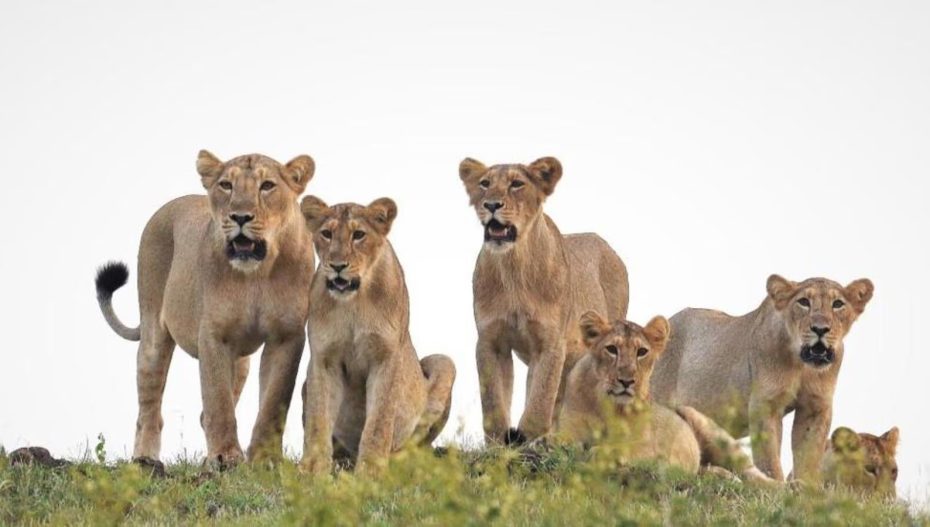
Gir’s lions have become one of Gujarat’s biggest attractions, drawing thousands of tourists who want to catch a glimpse of the Asiatic lion in its natural habitat. But growing tourist numbers are putting pressure on the existing safari system, with visitors increasingly struggling to get permits, particularly during holidays. Now, the Gujarat Forest Department is planning to open more of the Gir Wildlife Sanctuary to tourists, increase safari routes and raise the daily permit capacity from 150 to around 280.
However, the proposed expansion comes at a time when concerns over human-wildlife conflict are also growing. In a recent incident in Junagadh district, a 50-year-old agricultural labourer lost his life after a lioness attacked him while he was working in a field. The incident has once again brought attention to the challenges of managing tourism, wildlife conservation and the safety of people living close to lion habitats.
The Gujarat Forest Department plans to increase the area accessible to safari visitors from the existing 8% to 12% of the sanctuary’s total area of 1,412 square kilometres.
At present, around 258 square kilometres of Gir National Park are included in the area open for tourist safaris. Wildlife tourism guidelines allow up to 20% of the total sanctuary area to be used for tourism-related activities. However, the department is planning a gradual expansion, taking the accessible area to 12% at this stage.
A forest department official said the department was working on adding more safari routes. The official noted that although guidelines allow tourism activities across a larger area, only around 8% of the sanctuary is currently being utilised.
One of the major changes being planned is the introduction of four additional safari routes. This will take the total number of routes from 13 to 17.
Currently, each safari route operates with two vehicles travelling in opposite directions, one clockwise and the other anti-clockwise. More routes are expected to allow additional vehicles to enter the sanctuary and accommodate more visitors.
The department is also looking at increasing the number of tourists who can enter Gir each day.
At present, the regular daily permit limit is 150. During holidays and festivals, this number can be raised to 180. For instance, during the recent Diwali rush, the department increased the daily quota from 150 to 180 permits.
With the proposed changes, the daily capacity could reach approximately 280 permits in the near future.
The expansion plan comes amid growing pressure on the existing booking system. During the recent festive season, an average of around 150 tourists reportedly had to return without visiting the sanctuary because safari permits were unavailable.
The shortage has also raised concerns about illegal lion shows in areas such as Amreli and Bhojde, where people reportedly try to arrange unauthorised opportunities for tourists to see lions.
Apart from adding routes, the department has already introduced another operational change. The seating capacity of safari vehicles has been increased from six to eight passengers, allowing more tourists to travel in the existing fleet.
The proposal will be placed before the State Board for Wildlife for approval. Officials have also pointed out that the Chief Wildlife Warden has the authority to increase safari routes under the wildlife management plan.
While Gir continues to attract tourists hoping to see lions, people living and working around the forest landscape face a very different reality. For them, encounters with wildlife can sometimes become a matter of life and death.
In a recent incident, a 50-year-old agricultural labourer, Veljibhai Nagjibhai Hakda, was killed after a lioness attacked him in the agricultural fields of Rakharia village in Visavadar taluka of Junagadh district.
The incident took place on Friday afternoon when the lioness suddenly appeared and attacked him before dragging him approximately 100 metres away. He suffered severe injuries and died at the spot.
News of the attack quickly spread through the surrounding villages, bringing farmers and local residents to the spot. The incident created fear among people who regularly work in agricultural fields near areas where lions move.
The attack has raised fresh concerns among residents about the safety of farmers and agricultural workers who have to continue working in fields despite the presence of wild animals nearby.
Gir’s growing popularity as a wildlife tourism destination has created a need for better visitor management and additional safari facilities. The proposed increase in routes and permits is expected to reduce the pressure on the existing system.
At the same time, the death of a farmer in a lion attack highlights the difficulties faced by communities living alongside wildlife.
For tourists, spotting an Asiatic lion is a memorable experience. For farmers working in the same landscape, however, the presence of a lion can bring serious risks.
As the Forest Department plans to open more areas for tourism, managing the balance between visitor demand, wildlife protection and the safety of local communities remains an important challenge.
Also Read: Those Who Feed Us Are In Debt: Gujarat’s Farm Loans Cross Rs 1.66 Lakh Crore