


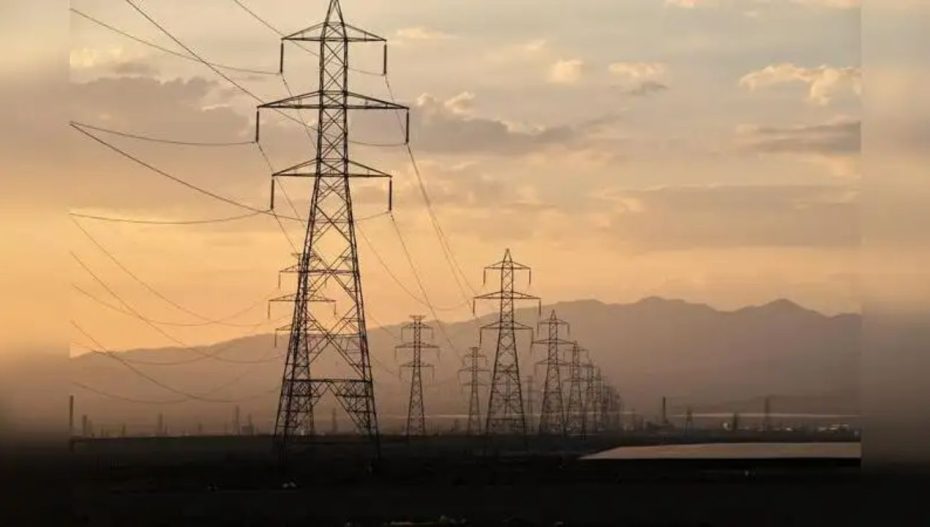
With Diwali just around the corner, businesses across Gujarat are entering their busiest time of the year. From large manufacturing units to small businesses and home-based enterprises, everyone is working at full capacity to meet the rising demand during the festive season. But this year, a major question is troubling industrialists: will they be able to complete their orders on time amid an electricity shortage and scheduled power cuts?
Industries across South Gujarat are facing an eight-hour power shutdown at a time when textile, diamond and manufacturing businesses are racing to fulfil Diwali orders. The restrictions have raised concerns over production delays, missed delivery deadlines and financial losses, with the Southern Gujarat Chamber of Commerce and Industry (SGCCI) warning that the impact could run into thousands of crores of rupees.
The disruption could also affect the livelihoods of around 25 lakh workers who depend on the industrial ecosystem across South Gujarat.
Why are Gujarat’s industries facing power cuts?
The shortage comes at a time when electricity demand is rising, while supply from several sources has been affected.
According to Gujarat Energy Transmission Corporation (GETCO) official, maintaining electricity supply becomes more difficult during the evening because solar power generation drops sharply just as demand increases.
During the day, solar energy helps meet a significant share of electricity requirements. However, after sunset, the power system must depend more heavily on coal-fired plants, wind energy, nuclear power and electricity purchased through the western grid.
This year, wind power generation has reportedly fallen below expectations, adding pressure to the system. At the same time, concerns over coal and gas availability, rising fuel prices and international geopolitical tensions have made it more difficult and expensive to secure sufficient power.
The government also needs to ensure an uninterrupted supply for essential services, households and agricultural activities. Farmers currently receive eight hours of electricity during the daytime for irrigation, and no change to this arrangement has been announced.
With several demands competing for the available supply, industries have been asked to adjust their operations to manage the shortage.
Why is the timing worrying industrialists?
For businesses in Surat and other industrial centres across South Gujarat, the weeks before Diwali are crucial. Orders increase across textiles, diamonds and other manufacturing sectors, pushing factories to operate for longer hours.
An eight-hour shutdown during this period can affect much more than the time a machine remains switched off.
Many manufacturing processes require continuous power. A sudden interruption can disrupt production cycles, delay finishing and packaging, and affect the movement of finished goods. Even after electricity returns, some units may need additional time to restart operations and return to normal production.
The consequences can travel through the entire supply chain. If factories fail to dispatch goods on time, transport schedules may be affected, customers may not receive orders as promised, and payments could be delayed.
This is particularly worrying for micro, small and medium enterprises (MSMEs), which often depend on regular cash flow to pay workers, purchase raw materials and meet daily expenses.
The timing is even more difficult because some businesses are already dealing with raw material shortages, a lack of skilled workers, gas supply issues and pollution-related restrictions.
Industry body warns of losses worth thousands of crores
The SGCCI has raised concerns about the economic impact of the shutdown and written to the Gujarat Chief Minister seeking intervention.
Its president, Ashok Jirawala, has warned that the restrictions could result in losses worth thousands of crores of rupees. He has also highlighted the potential impact on approximately 25 lakh workers whose livelihoods depend on South Gujarat’s industrial activity.
According to the industry body’s concerns, the disruption could affect the entire festive production chain, from manufacturing and finishing to packing, transportation and dispatch.
Jirawala has also questioned why industries should bear such a heavy burden when electricity producers have earned substantial profits in previous years.
The chamber has proposed changing the shutdown schedule from 4 pm to midnight to 7 pm to 7 am. The suggested change would allow factories to continue production during more daytime hours, when solar power is available, and could help businesses complete more work before the evening.
However, the proposal would need to be assessed against the wider electricity shortage and the government’s responsibility to maintain a stable supply across different sectors.
Industries are changing their work schedules
Businesses are already trying to adjust to the restrictions rather than lose valuable production time.
Bipin Jameria, secretary of the Navsari GIDC Industries Association, said industrial units had been informed about the planned shutdown. The association has advised businesses to begin work early in the morning or shift more operations to night hours wherever possible.
It has also approached electricity company officials, seeking a stable supply during the hours outside the scheduled shutdown.
For some factories, changing shifts may help reduce the damage. But this is not a practical solution for every unit. Businesses that rely on continuous manufacturing processes or specialised machinery may find it difficult to stop and restart operations around a fixed power schedule.
Factories must also coordinate worker availability, transportation and dispatch arrangements, making the adjustment more complicated than simply changing working hours.
Government asks 31 closed power plants to restart
Amid the shortage, the government has directed 31 non-operational power plants to resume operations within 10 days, according to the information provided.
The move is intended to increase electricity generation and ease pressure on the power network. However, it remains unclear how quickly the plants can restart and how much additional electricity they will contribute.
Meanwhile, the SGCCI has urged both the state and central governments to take immediate steps to address the shortage, including activating coal-based power generation units in Gujarat.
On October 15, industrial representatives also held an online meeting with senior officials in Gandhinagar to discuss the impact of the shutdown and seek a workable solution.
Industry representatives have indicated their willingness to cooperate with efforts to conserve electricity. Their concern, however, is that the restrictions should be managed in a way that reduces losses and allows businesses to honour their existing commitments.
No clear timeline for relief
Despite ongoing efforts to improve electricity availability, industrialists are still waiting for clarity on how long the restrictions will continue.
This uncertainty makes it difficult for factories to plan production, organise shifts and give customers reliable delivery dates. Businesses must make decisions about workers, raw materials and transport without knowing whether the available electricity supply will improve in the coming days.
For MSMEs, even a short period of disruption can create financial pressure when payments are delayed but wages and operating expenses still need to be covered.
Can Gujarat protect both power supply and festive orders?
The challenge facing Gujarat is not limited to keeping factories running. Authorities must balance electricity requirements across agriculture, households, essential services and industry while dealing with a shortage in generation.
But the timing makes the situation especially difficult for South Gujarat, where textiles, diamonds and manufacturing support a large network of businesses and workers.
If the disruption continues through the peak festive period, delayed orders and interrupted supply chains could turn the power shortage into a wider economic problem.
With Diwali approaching, the question is whether Gujarat can manage its electricity shortage without placing an overwhelming burden on the industries responsible for fulfilling the festive season’s demand.