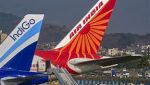


Campbell Wilson has stepped down as Chief Executive Officer and Managing Director of Air India, triggering a fresh phase of uncertainty at the Tata Group-owned carrier, which is already navigating a complex turnaround and reputational challenges.
According to sources familiar with the development, Wilson communicated his decision to the airline’s board, formally bringing an early end to a tenure that began in July 2022. His appointment had followed the Tata Group’s high-profile reacquisition of Air India in January 2022, marking the return of the airline to its original promoters after decades under government control.
Wilson, a former senior executive at Singapore Airlines’ low-cost arm, was tasked with leading one of the most ambitious aviation turnarounds in India. Under his leadership, Air India initiated fleet modernisation, placed large aircraft orders, and began overhauling service standards in an effort to reposition itself as a competitive global carrier.
However, his tenure was not without turbulence.
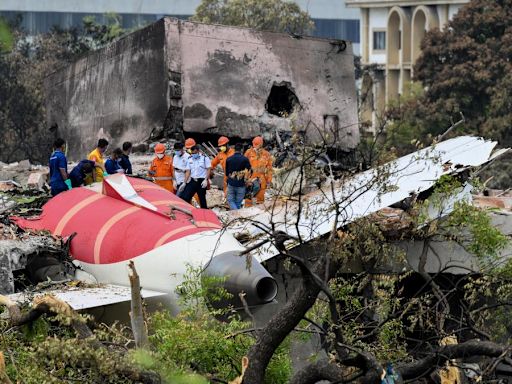
A major setback came with the Ahmedabad Air Crash, one of the deadliest aviation incidents in recent years. The London-bound flight, operated on a Boeing 787-8 aircraft, crashed shortly after takeoff from Ahmedabad, resulting in the deaths of 241 of the 242 people on board. The tragedy intensified scrutiny of Air India’s operational standards, safety protocols, and crisis response, placing Wilson and his leadership team under sustained criticism.
The fallout from the crash continued to cast a shadow over the airline’s restructuring efforts, even as it attempted to rebuild passenger trust and global credibility. Industry analysts note that while structural issues predated Wilson’s tenure, the incident became a defining moment that shaped public perception of the airline during a critical transition phase.
His exit also comes amid broader leadership gaps within the Air India group. Its low-cost subsidiary, Air India Express, has been without a managing director since March, following the completion of Aloke Singh’s tenure. The simultaneous absence of top leadership at both the full-service carrier and its budget arm raises concerns about execution continuity at a time when integration and operational alignment are key priorities.
Notably, indications of a leadership transition had surfaced earlier this year, with the Tata Group understood to be evaluating potential successors despite Wilson’s tenure originally expected to run until 2027. His resignation is likely to accelerate that search.
The development adds another layer of complexity to Air India’s transformation journey. While the Tata Group has committed significant capital and strategic focus to reviving the airline, leadership stability remains critical as it seeks to integrate operations, improve reliability, and compete with both domestic and international carriers.
Wilson’s departure, coming against the backdrop of operational challenges and the lingering impact of the Ahmedabad crash, underscores the scale of the task facing Air India—and the high stakes involved in its revival.
Also Read: Air India Plane Crashes In Ahmedabad https://www.vibesofindia.com/air-india-plane-crashes-in-ahmedabad/