


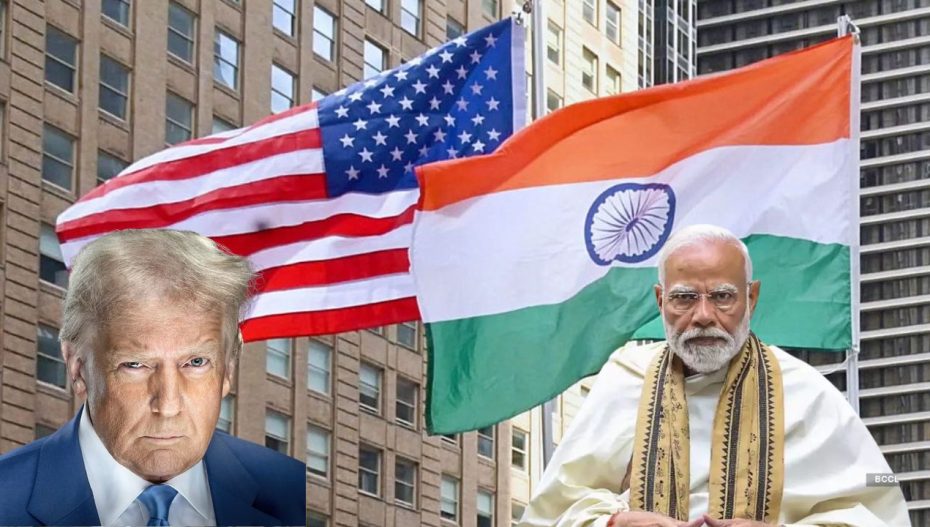
After going back and forth over contentious tariff cuts, India and the US are on the verge of signing the dotted line. The US President has hinted at sealing a trade agreement with India.
“We’ve made a deal with the United Kingdom, we’ve made a deal with China, we’ve made a deal – we’re close to making a deal with India…Others we met with, we don’t think we’re going to be able to make a deal. So we just send them a letter,” US President Donald Trump said at the White House.
Trump’s comments followed the release of the first in a series of anticipated letters, part of a broader move threatening higher tariff rates on several major trading partners—among them Bangladesh, Thailand, South Korea, and Japan—set to take effect from August 1. “We’re sending out letters to various countries telling them how much tariffs they have to pay. Some will maybe adjust a little bit depending if they have a cause, we’re not going to be unfair about it,” the US President added.
Trade officials from both countries are trying to finalise a tariff-cutting agreement.
However, talks remain stuck, disagreements over dairy and agriculture sectors being the roadblocks.
The US wants India to open its market to genetically modified crops. India has strongly resisted this demand, arguing such imports could harm its farmers.
Washington is also pushing for wider access to India’s dairy and farm markets.
But these sectors may be left out of the deal. There are additional concerns about rural livelihoods and food safety, according to reports.
Agriculture and its allied sectors, while contributing just 16 per cent to India’s $3.9 trillion economy, provide sustenance to nearly half of its 1.4 billion people. The threat of cheaper American imports driving down local prices has also handed India’s political opposition a fresh point of criticism against the government.
India has generally avoided agriculture in Free Trade Agreements. The concerns are understandable — allowing the US in this space would mean extending similar concessions to other partners.
According to other reports, India is pushing for tariff concessions on its labour-intensive exports such as garments, leather, and footwear, all primary employment-generating sectors. India expectedly is reluctant to move forward with a deal that does not ensure reciprocal benefits for its own exporters.
Also Read: Adani Enterprises Announces Rs. 1,000 Cr NCD Issue Offering Up To 9.30 Per Cent Per Annum https://www.vibesofindia.com/adani-enterprises-announces-rs-1000-cr-ncd-issue-offering-up-to-9-30-per-cent-per-annum/