

A commission is set up to hold the government accountable. And it has no end to public complaints. Last year, the Gujarat State Vigilance Commission recorded a substantial hike in numbers where complaints against government departments are concerned.
Over 11,000 grievances were recorded in a year.
The data was tabled in the Gujarat Assembly. It does not make for comfortable reading.
Is it an anomaly? Certainly not.
In 2022, the tally crossed 12,000. In 2023, it stayed around 11,000. Through 2024, the numbers have shown no real sign of easing. Despite administrative reforms, public grievance levels have remained stubbornly elevated year after year.
The breakdown tells its own story.
The Urban Development Department drew the highest number of complaints. The Revenue Department came close behind.
The police and Home Department were not far behind either, figuring among the top sectors facing serious public grievances. Complaints also came in against panchayats, road, water and building departments, and public utilities. In short, almost every arm of governance that ordinary citizens interact with daily.
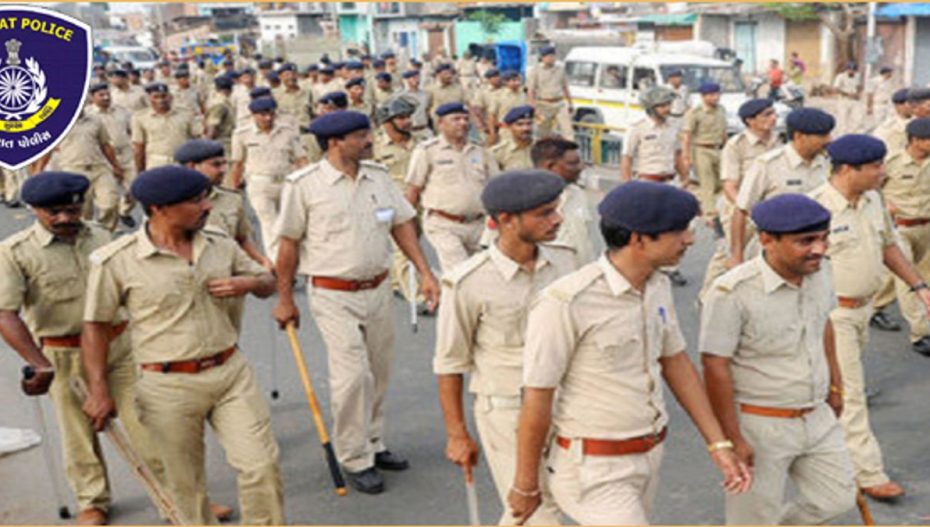
The police angle is particularly troubling. The force is supposed to be where citizens turn when things go wrong. Instead, it has become one of the biggest sources of complaints itself. Allegations of misconduct, inaction, and corruption topping the list. A substantial number of these complaints were found serious enough to warrant further inquiry. These are not frivolous filings.
Then there is the geography of the problem. Surat has reported the highest number of complaints against the police among all areas in the state. That alone would be notable. What makes it politically awkward is that Surat is the home turf of Harsh Sanghavi, Deputy Chief Minister, the man who heads the very police department being complained against.
The report assigns no direct responsibility to him. But the questions are hard to avoid. Are policing standards slipping in his own backyard? Are local grievance redressal mechanisms simply not working? Does the pattern point to something deeper within the Home Department?
The broader picture is one of a system under strain. High complaint volumes reflect a trust deficit that has been building for years. Police-related grievances eat away at law enforcement credibility. And when the numbers are heaviest in constituencies that carry political weight, the discomfort cuts deeper.
There is something distressing about a grievance redressal system that is itself overwhelmed by grievances.
When the police, meant to be the backbone of public order, top the complaint charts, it is not just an administrative problem. It is a trust problem. And trust, once eroded, does not recover on its own.
The vigilance data is ultimately a mirror.
What it reflects is a citizenry that keeps knocking on official doors, year after year, because those doors are not opening fast enough. Until accountability becomes faster, more transparent, and less dependent on who is being complained against, these numbers will keep coming.