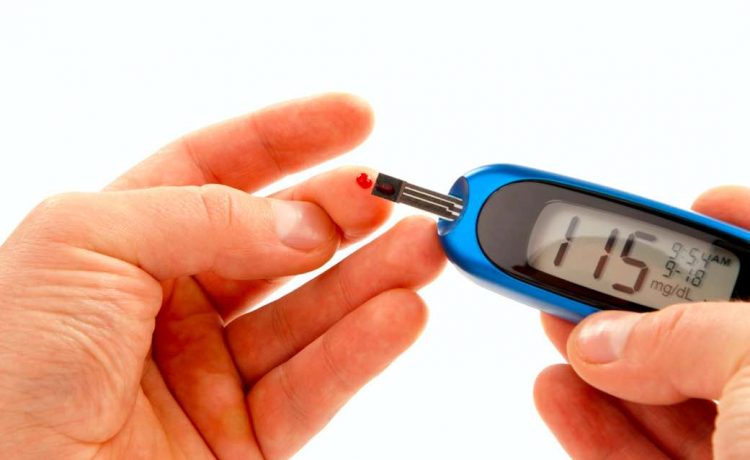
When it comes to monitoring long-term blood sugar health, HbA1c is one of the most important markers to understand.
A short form for glycated hemoglobin, HbA1c reflects your average blood glucose levels over the past two to three months. Unlike a standard blood-glucose reading that captures a single moment in time, HbA1c provides a broader picture of how consistently your body is managing sugar.
Even for people who have never been diagnosed with diabetes, HbA1c matters more than many realise. A higher-than-normal value shows that blood sugar has remained elevated over time, which can quietly put strain on vital organs.
According to newspaper reports, research links even mild HbA1c elevations to early cardiovascular changes such as thickening arteries and plaque buildup, both of which increase long-term heart disease risk.
Elevated levels are also associated with reduced kidney function and early nerve stress, and they frequently overlap with metabolic syndrome—an increasingly common cluster of risk factors including abdominal fat, high blood pressure, and abnormal cholesterol.
Reports says studies further suggest that higher HbA1c levels may increase the likelihood of certain cancers, especially in individuals who are older, overweight, or physically inactive. In essence, a raised HbA1c in a non-diabetic is not benign; it serves as an early warning signal that metabolic health may be heading in the wrong direction.
How to lower HbA1c
The encouraging news is that HbA1c is highly responsive to lifestyle changes, and many people can start lowering their levels within just 30 days.
One of the most effective strategies is adopting a low-glycaemic, whole-food diet focused on vegetables, legumes, whole grains, lean proteins, and healthy fats. These foods help keep blood sugar steady throughout the day, while reducing processed and sugary foods prevents sharp spikes in glucose. Eating smaller, more frequent meals can also support more stable blood-sugar patterns.
Incorporating regular physical activity is another powerful way to improve HbA1c naturally. Just 30–45 minutes of moderate exercise such as brisk walking, cycling, or swimming can significantly improve how well your body uses insulin. Adding strength training a couple of times a week is especially beneficial because increased muscle mass boosts glucose uptake and improves overall metabolic efficiency.
According to reports, sleep and stress management complete the trio of effective, natural methods for reducing HbA1c within a month. Getting seven to nine hours of quality sleep each night supports healthy insulin function, while chronic sleep deprivation can elevate blood sugar. Likewise, high stress levels increase cortisol, a hormone that drives glucose higher. Developing consistent habits such as mindfulness, deep breathing, yoga, or even intentional relaxation breaks can help keep stress—and blood sugar—under control.
By paying attention to HbA1c, even if you are not diabetic, you gain an early insight into your long-term health. With focused, sustainable changes in diet, physical activity, sleep, and stress, you can begin lowering your HbA1c in 30 days and significantly reduce your risk of future metabolic problems.
Also Read: Diabetes, Stress Highlight Health Challenge In Latest India Wellness Index Report https://www.vibesofindia.com/diabetes-stress-highlight-health-challenge-in-latest-india-wellness-index-report/