


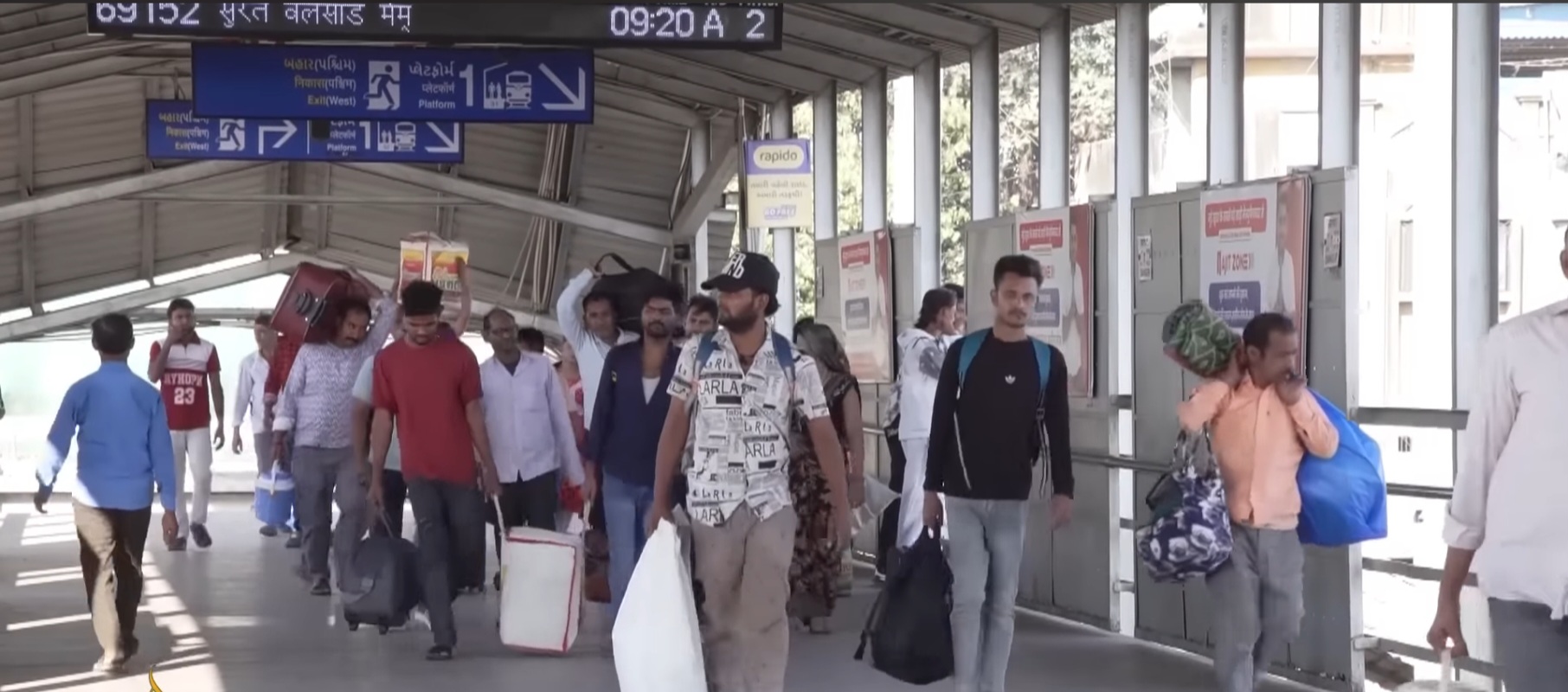
Gujarat factory owners have asked migrant workers to pack up and leave for their hometowns. This follows the cooking gas shortage, coupled with less demand for exports. From Morbi in Saurashtra to Surat in South Gujarat; the situation of migrant workers from Uttar Pradesh, Bihar and Orissa is serious. In most cases, factory owners have asked the workers to leave. In some cases, workers are leaving on their own, finding it difficult to procure cooking gas cylinders and have a normal life.
A textile factory owner said he has asked 22 of his workers to leave for Orissa. “The local administration has asked us not to speak and give the semblance that all is okay. But the situation is bad. In the first few days, I managed gas cylinders at a premium, but now our migrant workers could not cook food for three days. There is no work, there is no demand, so I asked them to go home”, he said. The last time Gujarat’s factory owners saw workers pack up and leave en masse was during the Covid outbreak in 2020. Factories fell silent for months, and it took even longer to bring workers back. Now, in 2024, the fear is returning.
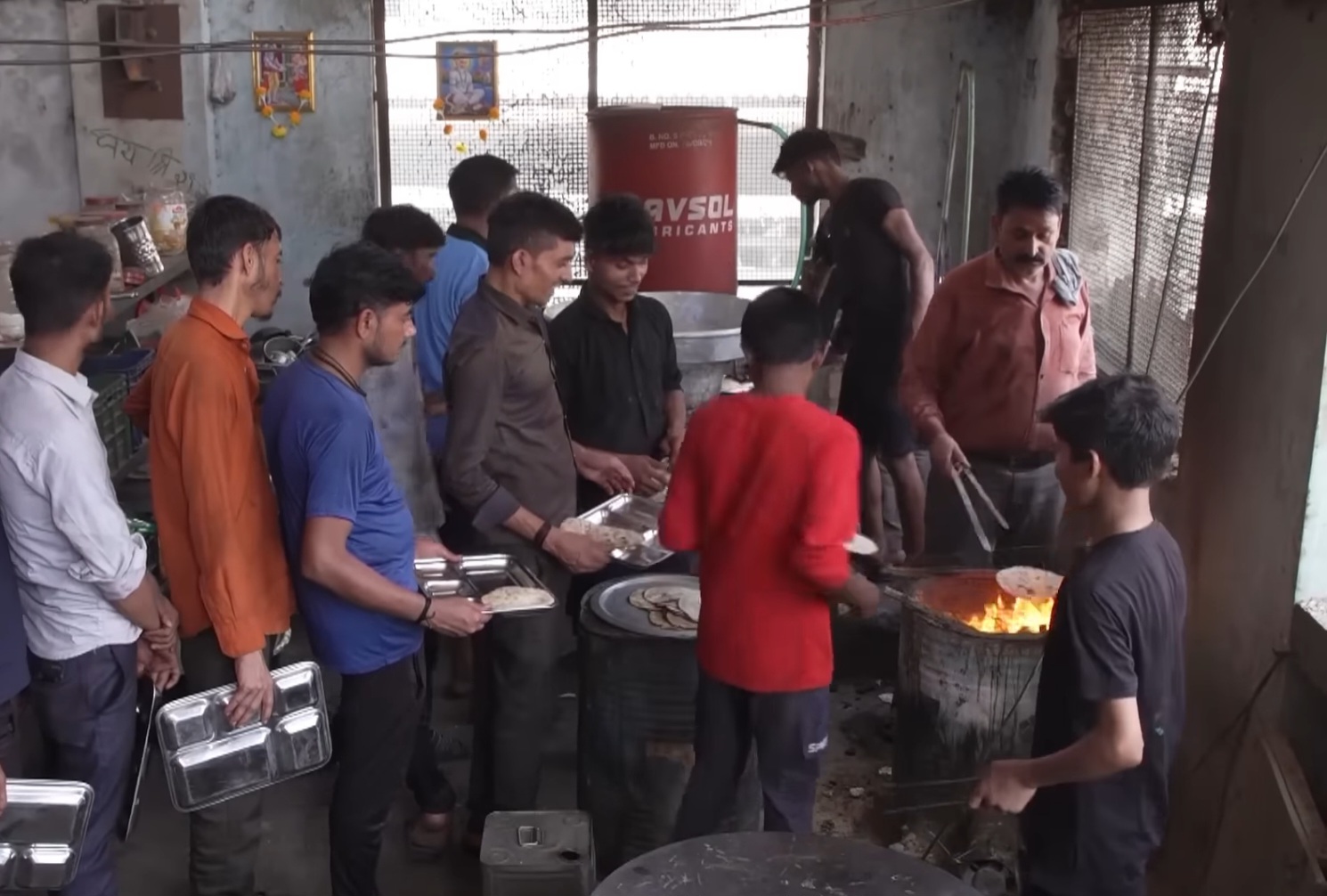
A sharp cut in industrial gas supply, a fallout of the war in West Asia, has begun squeezing production across Gujarat’s biggest manufacturing hubs.
India’s largest man-made fabric hub has lost workers in recent weeks. Production isn’t hurt yet due to low demand, but if workers leave now, the industry could struggle when orders rise after this lean season. Vibes of India has already reported on March 4, 2026 about war’s impact on the ceramic industry of Morbi https://www.vibesofindia.com/middle-east-war-triggers-gas-shortage-fears-for-morbis-ceramic-tile-industry/ and thereafter the about the mini vacation in the diamond industry and production holiday in the ceramic industry https://www.vibesofindia.com/morbis-ceramic-factories-go-dark-as-war-chokes-gas-supply/
In Surat, the immediate concern is cooking gas rather than industrial gas. LPG is selling for approximately Rs 500 per kilogram. Some workers are requesting additional financial support beyond their salaries to manage expenses, while others who are unable to do so are returning home. Manoj Kumar from Bihar said, “For how many more days can we go hungry? We have no option but to leave”. He says they dont know when they will return.
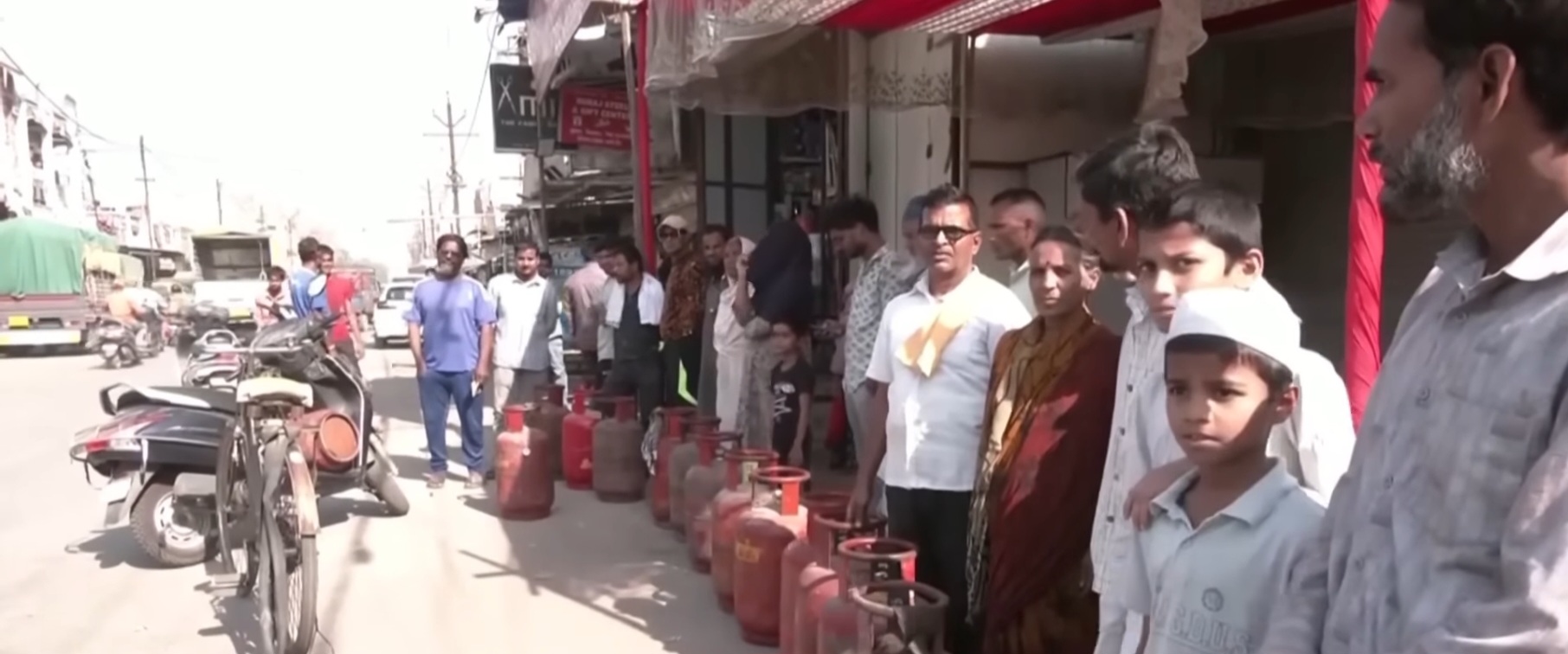
A large number of Surat’s textile workers are migrants from Odisha.
The Southern Gujarat Chamber of Commerce and Industry and the Federation of Gujarat Weavers Welfare Association have asked the government for urgent support with cooking gas availability and suggested linking its provision to Aadhaar cards to simplify access for workers. This request highlights a persistent issue: migrant workers lacking local documentation face difficulties accessing subsidised gas through normal channels, making them vulnerable during supply disruptions.
Analysts have stated that, if left unaddressed, the situation could lead to increased reverse migration, posing challenges for Surat’s textiles, diamond, and other industries reliant on migrant labour.
Ceramics, chemicals, textiles, and plastics have been hit hardest across Morbi, Surat, and Ahmedabad. Several units have scaled down or shut temporarily, leading migrant workers to head home as production slows.
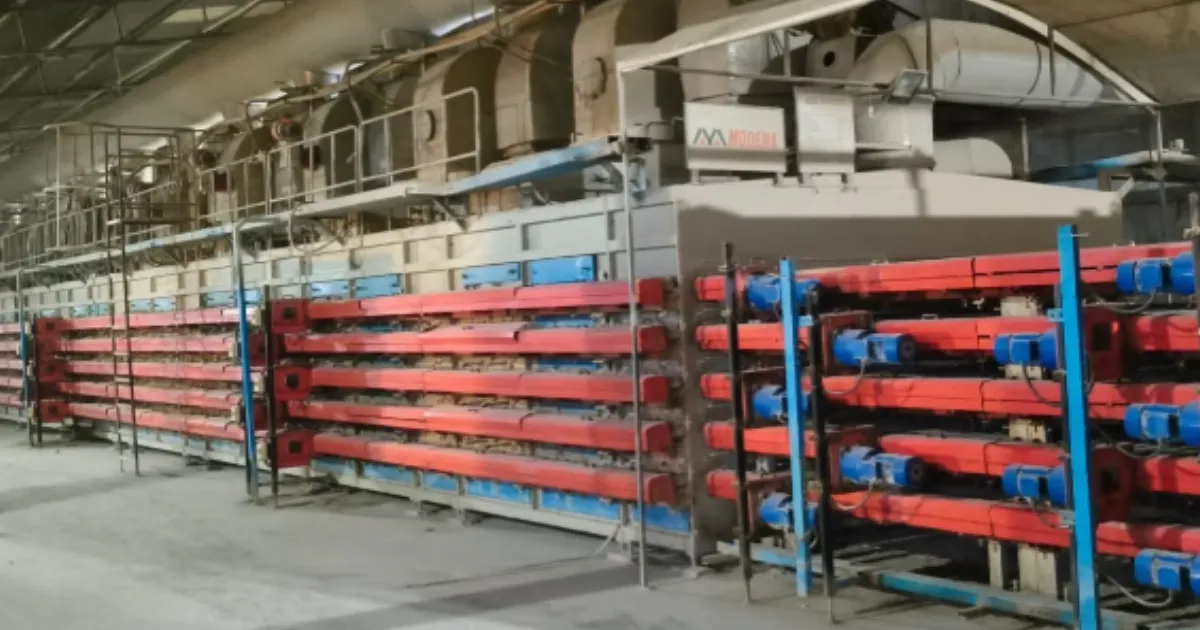
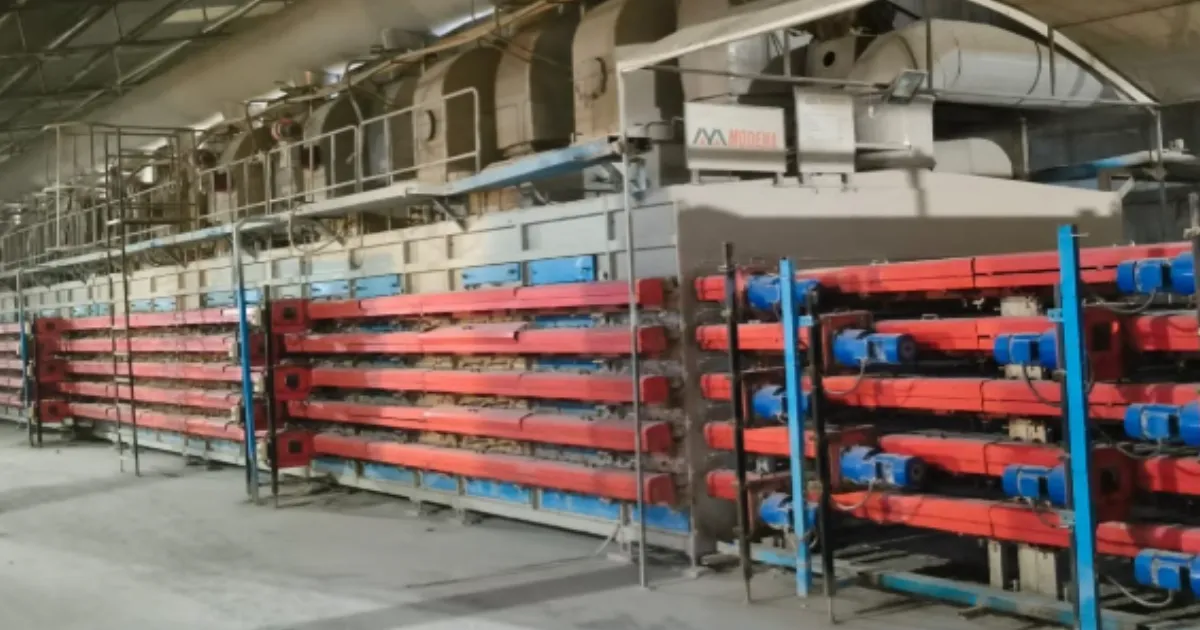
As the picture above illustrates, the ceramic industry in Morbi is facing a shut down.
Industry observers believe the current pattern is similar to what happened during the Covid crisis in 2020. They warn that once workers leave, it becomes very difficult to bring them back—especially now, as other states are also creating industrial jobs. Odisha, Bihar, and Uttar Pradesh have all stepped up industrial investment in recent years, giving returning migrants reasons to stay closer to home.
Gujarat’s industry depends on migrant labour from Odisha, Bihar, Rajasthan, and Uttar Pradesh. Even modest reverse migration triggers employer anxiety.
Ahmedabad, feeling the heat
In the chemical hubs of Vatva and Naroda, concerns have emerged. A report indicated gas supply at regular prices has decreased to around 40% of actual requirements. Key chemical feedstocks, ammonia and methanol, are also running 30% to 40% short. Units are operating at 40% capacity, the report said. Many SMEs have closed temporarily or reduced shifts. Owners note they are using reserves while seeking updated information on future supply timelines.
With fewer shifts available, many of Ahmedabad’s 50,000 chemical workers have no work. Daily-wage earners without savings may leave after a week without shifts.
If gas shortage continues, the current situation could turn into a deeper structural problem for Ahmedabad, industry bodies have warned.
The challenges extend beyond the factory. LPG has become scarce and more expensive.
A rise in black-marketeering has increased cylinder costs, impacting low-income families. Some workers are leaving due to both employment and affordability challenges. Workers in shared accommodations are rationing cooking gas, and some have chosen to eat out to manage expenses, adding pressure to already limited wages.
Construction in Ahmedabad is also under strain. Of the four lakh construction workers in the city, nearly 80% are migrants. Only around 60% of those who left for Holi in 2024 have returned. Industry leaders say the labour shortage here is not a direct result of the war but a combination of the festival break in March and the ongoing uncertainty the conflict has created, delaying workers from coming back.
The report indicates that skilled workers are earning between Rs 900 and Rs 1,000 a day. Disruptions extend beyond workforce availability. There have also been delays in supplying ceramic tiles, pipes, and aluminium sections, which is impacting project completion timelines.
Experts observed that the shortage of construction materials is contributing to project delays. Developers are working to retain workers by improving accommodation and facilities, but project timelines may remain affected until the full workforce returns. For developers with delivery commitments, the combination of material shortages and reduced staff presents a significant challenge.
Morbi, running out of gas
Morbi is one of Gujarat’s most labour-intensive industrial clusters. It employs around four lakh workers, most of them migrants from Uttar Pradesh, Bihar, Odisha and Jharkhand.
Nearly 60% of Morbi units depend on propane, now halted entirely. The rest, running on Gujarat Gas, receive only 80% of the average consumption. For a cluster already hit by slow exports, the timing is tough.
Currently, industries are continuing to pay wages and are assigning workers to maintenance, material handling, and dispatch tasks in the hope that conditions will improve. However, industry sources acknowledge that this situation may not be sustainable if financial pressures escalate.
Sanitaryware units remain operational and some industry leaders have expressed cautious optimism that the situation could improve within a month.
The combined crises—cooking gas, industrial shortages, and high living costs—are pushing workers to make the same decision as during Covid: leave and wait at home. The BJP government has reportedly asked factory owners not to speak out or face media on this issue. Except Congress and AAP politicians who blamed the BJP for ruining Iran-India relationship; no other officer or elected BJP representatives are ready to talk on the issue. They have claimed that this is AAP and Congress’ propoganda otherwise everything is normal.
For Gujarat’s factory owners, the concern is whether they will be able to bring workers back as they did previously.
Also Read: War Bleeds Into India’s Markets As Investors Lose Rs 14 Lakh Crore In A Session https://www.vibesofindia.com/war-bleeds-into-indias-markets-as-investors-lose-rs-14-lakh-crore-in-a-session/