


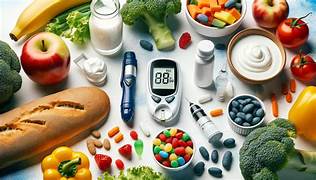
Family History of Diabetes? These 6 Daily Habits Can Significantly Lower Your Risk
If your parents have Diabetes, your own risk of developing the condition is significantly higher due to genetic predisposition as well as shared lifestyle patterns. However, medical evidence shows that even small, consistent lifestyle changes can delay or prevent the onset of Type 2 diabetes.
Regular physical activity plays a central role in improving Insulin sensitivity, allowing the body to use glucose more efficiently. A daily routine that includes at least 30 minutes of brisk walking, cycling, or strength training can substantially reduce risk. At the same time, reducing sedentary behaviour—such as long, uninterrupted sitting—is equally important.
Diet is another critical factor. High intake of refined carbohydrates and sugar leads to repeated spikes in blood glucose, putting pressure on insulin production. Replacing processed foods like white rice, maida, and sugary drinks with whole grains, fibre-rich foods, and low glycaemic index options helps maintain stable blood sugar levels and reduces long-term risk.
Maintaining a healthy body weight, particularly around the abdomen, is closely linked to preventing Insulin resistance, a key precursor to diabetes. Even a modest weight loss of 5–7% can significantly improve metabolic health. Experts increasingly emphasise waist circumference as a more relevant indicator than overall weight.
Sleep quality is often overlooked but has a direct impact on metabolic function. Inadequate or poor-quality sleep disrupts hormonal balance, including insulin regulation, and can increase cravings for high-sugar foods. Ensuring 7–8 hours of consistent sleep is therefore an important preventive measure.
Chronic stress also contributes to elevated blood sugar levels by increasing cortisol, a hormone that affects glucose metabolism. Managing stress through practices such as yoga, meditation, or breathing exercises can help stabilise these responses, especially in high-pressure urban lifestyles.
Regular health screening becomes essential when there is a family history of diabetes. Monitoring fasting blood glucose, HbA1c, and lipid profiles allows for early detection and timely intervention. In many cases, individuals with higher risk are advised to begin screening earlier than the general population.
With India witnessing a steady rise in diabetes cases, particularly among younger age groups, the combination of genetic susceptibility and lifestyle factors has become a growing concern. A family history of Diabetes does not make the condition inevitable. With disciplined habits and proactive health management, the risk can be significantly reduced over time.
Also Read: Diabetes, Stress Highlight Health Challenge In Latest India Wellness Index Report https://www.vibesofindia.com/diabetes-stress-highlight-health-challenge-in-latest-india-wellness-index-report/