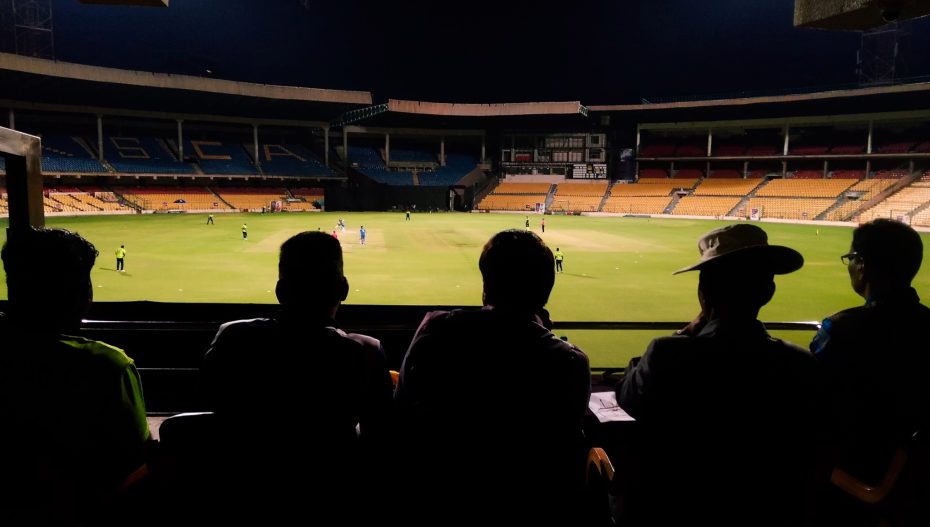
A decade ago, watching a cricket match in India meant a television, a scoreboard app, and maybe a group chat buzzing with predictions. That picture has shifted. Millions now watch with a second screen open, tracking odds, live markets, and in-play statistics alongside the actual game. The match hasn’t changed. The way fans experience it has.
This shift is visible in how people talk about cricket, not just how they watch it. A fan discussing a bowling change now often mentions how the odds moved after it, treating the market itself as a live commentary track. Platforms like stark bet have built entire interfaces around this behavior, surfacing ball-by-ball odds updates next to the video feed rather than as an afterthought. That pairing of live data with live footage has become the default way a growing share of Indian fans follow a match.
From Passive Viewing to Active Engagement
Traditional cricket viewing followed a simple rhythm: watch, react, discuss afterward. In-play betting compresses that cycle. A fan now reacts to a dropped catch or a run-out not just emotionally but financially, since a live market can move within seconds of the event. This changes what people pay attention to during a match. Field placements, bowling changes, and even weather delays matter more when there’s a live position riding on the next few overs. Fans describe watching cricket differently now – less like a story unfolding and more like a system they can read in real time.
Commentary boxes have picked up on the same shift. Pundits now walk through field changes and bowling switches using run-rate math and required-rate swings, terms that once sat mainly in post-match analysis but now reach viewers who already read probability shifts on their second screen every over.
Second-Screen Habits Take Over
Most bettors don’t close the television to place a bet. They run a betting app alongside broadcast coverage, sometimes on a second device entirely. Survey data from Indian sports-tech firms consistently shows that a majority of urban cricket fans under 35 use at least two screens during a major match, one for video and one for stats or markets.
Live Odds as a New Form of Commentary
Odds that shift after a boundary or a wicket function as a kind of running numeric commentary. Fans who understand basic probability start reading these shifts the way older fans read a scorecard, extracting meaning from the pace of change rather than just the final number.
What the Data Shows
| Viewing Behavior | Before Live Betting Apps | With Live Betting Apps |
| Average session length (T20 match) | 90 minutes | 140+ minutes |
| Second-screen usage during matches | Roughly 20% | Over 60% |
| Fans tracking ball-by-ball stats | Occasional | Routine |
| Peak engagement moment | End of innings | Every over |
The numbers suggest engagement hasn’t just grown, it has spread more evenly across the match. Fans used to tune out during a slow middle overs stretch. Now that stretch often carries its own betting markets, keeping attention active even when the on-field action is quiet.
Why Cricket Suits This Shift Better Than Other Sports
Cricket splits naturally into overs, innings, and single deliveries, giving bookmakers a fresh, bettable moment roughly every six balls. Football and basketball keep moving without those built-in breaks, so in-play markets there struggle to anchor to a specific event the way a cricket over does.
The Format Effect
Shorter formats amplify this further. A T20 match compresses roughly the same market density as a Test match into a fraction of the time, which is part of why T20 leagues have become the primary testing ground for new in-play betting features in India.
Regulatory and Access Factors
Legal ambiguity around betting varies by state, pushing much of this activity toward offshore platforms accessible through mobile apps and browsers. That accessibility, more than any single feature, explains why in-play betting spread as fast as it did among fans who already had a smartphone and a cricket habit.
Payment rails have also matured alongside the apps themselves. UPI-linked deposits and instant withdrawals removed much of the friction that once discouraged casual fans from trying a betting app during a match, turning what used to be a multi-step process into something closer to ordering food online.
The Fan Experience Going Forward
Broadcasters have started responding to this behavior rather than ignoring it. Some now overlay probability estimates and win predictors directly onto the broadcast, borrowing the language of betting markets even for viewers who never place a wager. That overlap between broadcast innovation and betting-driven data literacy is likely to deepen.
Cricket in India was never a quiet sport to begin with, but the noise used to be entirely emotional – cheering, groaning, arguing about selection. Now a layer of quantitative attention runs underneath that noise, changing not whether fans care about a match, but how closely and continuously they track it while it happens.