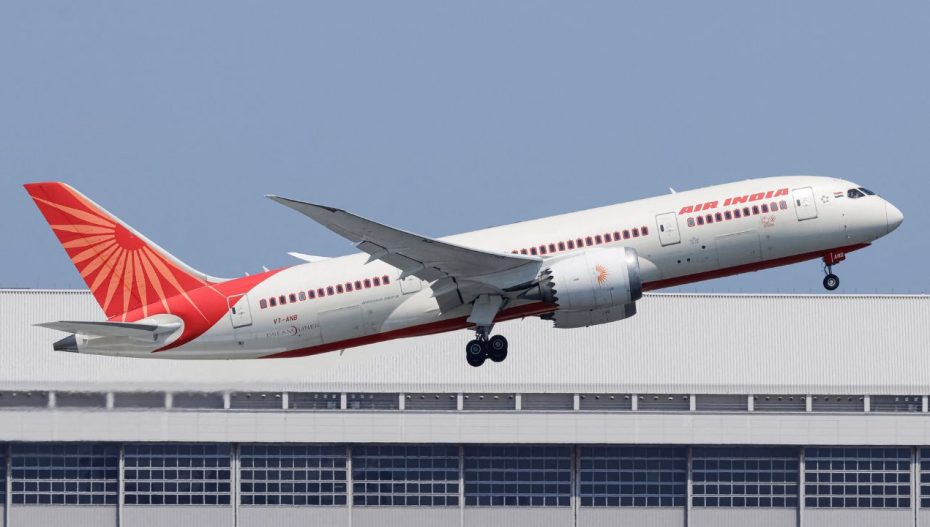
Serious questions have emerged over the conduct of the pilot-in-command (PIC) of an Air India flight from Phuket to Delhi after the aircraft experienced a sudden loss of altitude that injured passengers and cabin crew. The incident has taken a new turn after the pilot was subjected to a confirmatory drug test following concerns about his behaviour inside the cockpit.
According to the information available, the pilot was reported to have consumed marijuana and was allegedly not in full control of himself during the flight. The cabin crew has also submitted a complaint to the airline over his behaviour.
At the same time, authorities have urged everyone not to reach conclusions before the official investigation is completed. The Aircraft Accident Investigation Bureau (AAIB) is examining the incident, including technical, operational, medical and human factors.
Pilot’s behaviour raised concerns during flight
The flight, an Airbus A320 operating as AI 2379, encountered a sudden loss of altitude during its journey from Phuket to Delhi.
According to people familiar with the incident, the PIC was allegedly behaving unusually during the flight. He was reportedly seen sitting on the floor of the flight deck and attempting to smoke.
Cabin crew members allegedly had to help him back to his seat. He was also reportedly unable to walk properly after leaving the aircraft.
The cabin crew has since filed a report with the airline regarding the pilot’s alleged behaviour.
The young co-pilot had to take control of the situation and steady the aircraft before safely landing it at the destination.
Aircraft briefly entered a ‘negative G’ situation
The aircraft’s sudden loss of altitude is another important part of the investigation.
When the incident occurred, the PIC was reportedly standing and leaning behind the co-pilot’s seat. The Airbus A320 briefly entered what is described as a “negative G” situation.
In simple terms, the aircraft experienced a sudden movement in which people and loose objects inside the aircraft could momentarily feel as though they were being lifted from their seats.
The movement resulted in injuries to passengers who were not wearing seat belts. Twenty passengers and four cabin crew members were injured in the incident.
The investigation will now determine exactly why the aircraft lost altitude.
Was it a technical problem or pilot action?
The probe is expected to examine whether the sudden altitude loss was caused by a series of multiple and unusual technical problems reported by the co-pilot, or whether the incident was connected to the actions of the PIC.
The co-pilot is understood to have mentioned the technical issues in his report.
Investigators will therefore have to examine both possibilities rather than immediately linking the aircraft’s movement to the pilot’s alleged condition.
The AAIB has said that it is collecting and examining all relevant evidence before reaching conclusions.
Drug test adds another layer to the investigation
The pilot’s suspected condition became a major concern after his behaviour was reportedly noticed during the flight.
The co-pilot may have informed the airline’s ground control about the pilot’s behaviour. This is believed to have led to the unusual decision to subject the cockpit crew to a drug test, rather than relying only on breath-analyser testing.
The information provided states that the pilot failed the confirmatory test and was found to have consumed marijuana.
However, the government has also said that the initial test was not negative and was sent for confirmation. Authorities have stressed that the investigation process must be respected and that the final findings will depend on all relevant evidence.
This distinction is important because the official investigation is still examining the circumstances surrounding the test and the flight.
Cabin crew complaint against the pilot
The cabin crew has separately complained to the airline about the PIC’s alleged onboard behaviour.
According to accounts provided about the incident, the pilot was allegedly sitting on the flight-deck floor, attempted to smoke and needed assistance to return to his seat.
He was also reportedly unable to walk properly after getting off the aircraft.
The airline did not comment on the cabin crew’s allegations in the information provided.
The allegations, along with the drug-test results and the co-pilot’s report, will form part of the wider investigation.
Government asks for caution until probe is complete
The aviation ministry has asked all concerned to respect the investigation and avoid drawing conclusions before the evidence has been fully examined.
The AAIB is conducting a detailed investigation covering the material facts and relevant evidence connected with the incident. Investigators are looking at several categories of evidence, including:
Technical evidence related to the aircraft
Operational information from the flight
Medical evidence
Human-factor evidence
Reports from the cockpit crew
Information surrounding the pilot’s drug testing
The circumstances that led to the sudden loss of altitude
The aim is to establish what exactly happened inside the aircraft and what caused the sequence of events.
Aviation authorities consider stricter drug-test rules
The incident has also raised questions about the country’s existing system for testing aviation personnel for psychoactive substances.
The Directorate General of Civil Aviation (DGCA) is reviewing its rules on the examination of aviation personnel for consumption of psychoactive substances.
The incident could lead to discussions on making drug-testing procedures more stringent.
At the same time, senior pilots have sought a distinction between different situations in which a pilot may test positive. They have called for a difference between a pilot who tests positive because of prescribed medication, such as medicines used for sleep or anxiety, and a pilot found to have consumed what they describe as “true” psychoactive substances.
The issue is therefore not only about punishment, but also about ensuring that testing procedures are accurate and properly account for legitimate medical treatment.
Airline management questioned over the incident
The Civil Aviation Ministry has also taken note of the incident.
The ministry summoned Air India’s outgoing CEO Campbell Wilson to express concern and seek details about how the airline was handling the matter.
The meeting also involved a review of the airline’s plans as it continues to deal with a prolonged period of operational challenges.
The incident has consequently raised concerns at several levels—from the conduct of the individual pilot to cockpit safety, drug-testing procedures and the airline’s overall operational systems.
What happens next?
The investigation will now have to answer several key questions.
First, investigators will determine what caused the Airbus A320 to suddenly lose altitude. They will examine whether the aircraft’s technical issues played a role or whether the PIC’s actions contributed to the event.
Second, investigators will establish the facts surrounding the pilot’s condition and drug-test results.
Third, authorities will examine the reports submitted by the cockpit and cabin crew and assess how the situation was handled during the flight.
The government has made it clear that the AAIB will examine all relevant technical, operational, medical and human-factor evidence before issuing its preliminary findings.
For the aviation sector, the incident has also brought renewed attention to the importance of cockpit safety and reliable screening of pilots for psychoactive substances.
With 20 passengers and four cabin crew members injured, the episode has become a significant safety concern. The final investigation will determine whether the incident was primarily linked to technical problems, pilot behaviour, or a combination of factors—and whether changes are needed in India’s aviation safety and drug-testing procedures.
Also Read: Air India AI-171 Victims’ Kin Seek Black Box Data, Memorial https://www.vibesofindia.com/air-india-ai171-victims-black-box-data-memorial-demand/