


An energy squeeze is rippling through Gujarat’s core industries. The shop floors are feeling it. From jewellery workshops in Ahmedabad to textile mills in Surat, a shortage of LPG cylinders is forcing cutbacks, delays and rising costs. Labour crunch is reportedly making it worse.
The jewellery trade is hurting. Artisans depend on LPG-fuelled flame torches for the basics. Soldering, melting, repairs. Without steady access to cylinders, small workshops are either rationing usage or simply producing.
Jewellery work runs on soldering and glue is not a substitute. The flame torch and the soldering gun both run on gas. Take the gas away and the work stops.
It is the smaller players who are reportedly bearing the brunt. Independent designers and brands are reworking production schedules, but informal artisans without bulk purchasing power or established supply chains have it hardest.
Strain visible
Industry observers told media outlets that production is continuing but the strain is visible. Artisans in Kolkata have been forced to source cylinders through intermediaries at inflated prices.
Output has dropped. Brands have shifted to inventory optimisation and order-based production just to stay
Delivery timelines have stretched. Most vendors depend on gas units and when cylinders are unavailable, production halts.
Input costs have edged up as brands step in to help vendors source cylinders. Deliveries that used to take six or seven days are now taking ten to twelve.
Gap threatens to widen
The worry now is structural. If the shortage drags on, the gap between organised players with stable supply access and small informal artisans could widen in ways that are hard to reverse.
Imitation jewellery is not immune. The crisis is weighing on that segment too, though a seasonal slowdown has softened the immediate blow.
Around 30 to 40 per cent of handmade jewellery work still relies on LPG. About 60 per cent of brass jewellery manufacturing uses casting machines and some workshops have switched to electric soldering.
But many karigars still need LPG for precision work and cannot simply switch overnight.
The numbers make the stakes clear. More than 12,000 families depend on imitation jewellery alone.
As a report poined out, at least 500 traders operate in Manek Chowk and Kalupur. The trade was already under pressure from weak demand and rising input costs before this crisis hit.
The general apprehension is that if the shortage continues, making charges will go up and overall costs could climb 20 to 25 per cent over time.
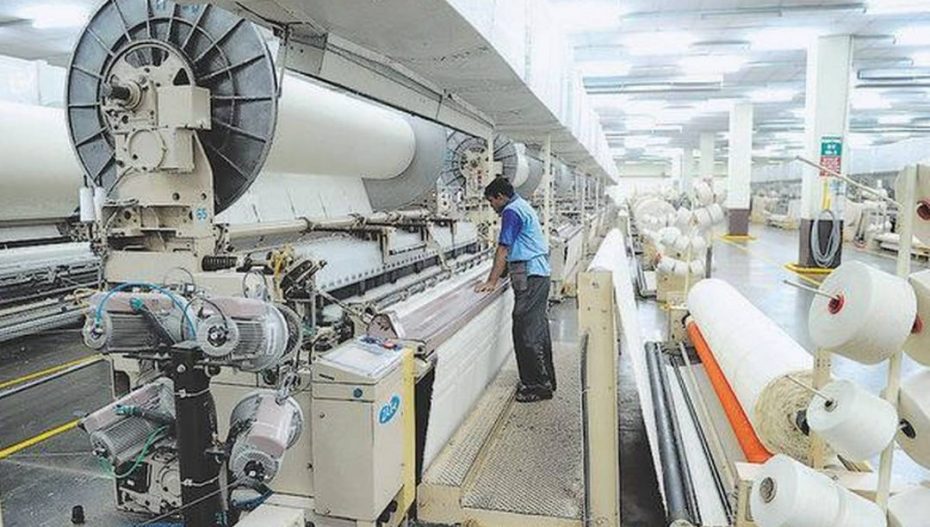
In Surat, the crisis has taken a different but equally damaging shape. The LPG shortage has collided with a labour crunch. Textile processors are now shutting units for two days a week to control production and costs.
Workers usually get one weekly off, which is typically cancelled during high demand periods. The current two-day shutdown includes that weekly off. That says something about how difficult conditions have become.
The labour shortage is partly seasonal. Workers from Uttar Pradesh, Bihar and Odisha make up the bulk of Surat’s eight lakh migrant workforce in the power loom sector.
They tend to head home around Holi and during the harvest season. That is normal. What is not normal is the scale of it this year.
Industry representatives say the LPG supply crisis, linked to the conflict in West Asia, has made an already difficult period significantly worse. Around 30 per cent of workers have gone home. Some factories have cancelled night shifts entirely and are running on limited day staff.
The South Gujarat Textile Processors Association met across industry clusters to review labour availability, fabric demand and operations. It decided on a two-day weekly closure.
It’s learnt that the shutdown will continue until conditions normalise. The aim is to keep production steady and balance demand and supply.
Surat has around 400 dyeing and printing mills and lakhs of powerloom units. Each dyeing and printing mill employs between 350 and 400 labourers.
In Sachin GIDC alone there are around 2,200 textile factories including power looms, rapier jacquard machines and processing units.
An official in the know told a media house that production has already been cut by up to 50 per cent due to labour shortages. He warned it could fall further.
He also flagged something that shows how far the gas shortage reaches. Some factories have started providing food to migrant workers at subsidised rates because workers living with their families are struggling to cook at home.
The cooking gas shortage is pushing workers out. And once they leave, they typically do not return for two months or more.
Experts pointed out that the post-Holi labour shortfall is usually around 25 per cent. This year, panic over the war situation has made things considerably worse.
Export consignments are stuck at ports or mid-sea. Domestic demand is weak. The LPG crisis has added another 10 per cent to labour attrition.
One textile businessman has gone further. He is now providing free food to workers and their families to stop them from leaving.
Enter black market
Cooking gas at home is still being sourced from the black market. His mills are facing labour shortages of up to 40 per cent. More workers are boarding trains and buses out of the city every day. In short, the squeeze is not letting up.
Also Read: Morbi’s Ceramic Factories Go Dark As War Chokes Gas Supply https://www.vibesofindia.com/morbis-ceramic-factories-go-dark-as-war-chokes-gas-supply/