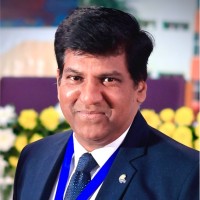
This Gujarat Dentist Spent Five Years Looking At 2.23 Lakh Teeth…Here Is What He Found
Dr Jayasankar P Pillai had a simple but ambitious question. Can a tooth tell you where in India a person came from?
To find out, he reportedly spent five years travelling 37,000 kilometres across 23 states, collecting dental samples from strangers. He analysed 2.23 lakh teeth in total. Last month, that work earned him a PhD from the National Forensic Sciences University.
What he found was surprising. Teeth in the northeast and parts of the north tend to have a distinctive shovel shape on the inside of the front teeth. In Gujarat and parts of western India, back teeth tend to have more bumps on the surface, sometimes as many as six or seven. They are genetic traits, passed down through generations, a report mentioned highlighting the depth of his research.
He reportedly assessed each sample across 15 parameters using established international dental anthropology standards, including something called the ASUDAS or Turner-Scott system. Some of what he found matched known global patterns.
A feature called the Cusp of Carabelli, a small extra bump typically found in Caucasian populations on the upper back molar, turned up in parts of India too. His samples also showed correlations with Central Asian and Western European genetic populations.
It is a reminder that India’s long history of migration left its mark not just in language and culture, but quietly, in the structure of its people’s teeth.
Teeth carry clues about ancestry. And Dr Pillai has now built a map of those clues across India.
Why does this matter? Indians are not that skilled at identifying unknown bodies. When disaster strikes or a crime goes unsolved, investigators often have almost nothing to work with. Dental records barely exist. Sometimes the only option is to hold up a photograph and look at someone’s smile.
Dr J M Vyas, vice-chancellor of NFSU and Dr Pillai’s doctoral guide, has pointed out that teeth are among the most reliable tools available when identifying victims of disasters or crimes.
Dr Pillai’s database changes that. His method can already identify a person’s region of origin 36 per cent of the time, and determine gender from teeth alone 63 per cent of the time. He believes both numbers will improve sharply once AI is applied to the database.
Also Read: How To Brush Your Teeth The Right Way https://www.vibesofindia.com/how-to-brush-your-teeth-the-right-way/