


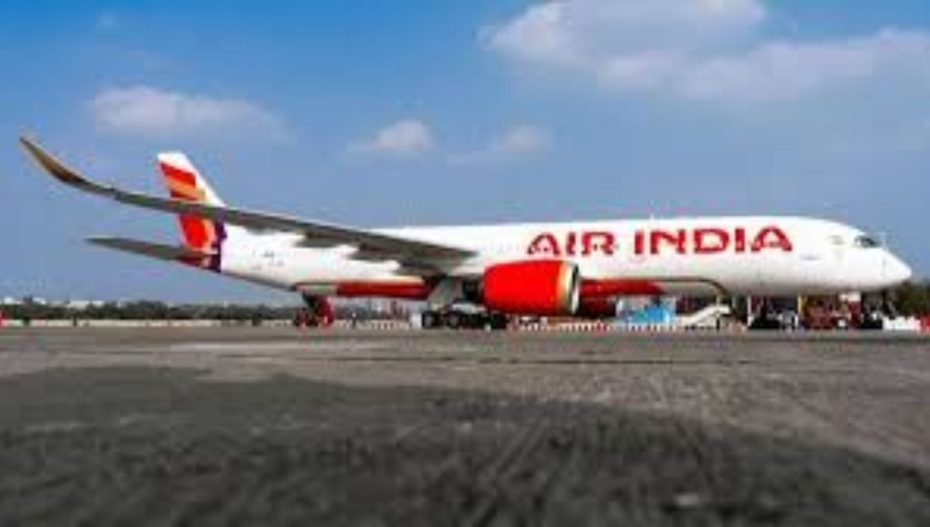
Air India is facing a difficult stretch on its India-UK operations following the crash of flight AI171 in June 2025. Data on the route show that while the airline initially had significantly higher seat capacity, passenger traffic began falling much faster in the months after the accident.
The figures suggest that Air India has struggled to fill seats on the India-UK route, with the gap between available capacity and passenger demand becoming particularly visible from August 2025 onwards.
The Boeing 787 operating flight AI171 crashed shortly after taking off from Ahmedabad for London’s Gatwick Airport on June 12, 2025. The accident killed 260 people, including 241 people on board and 19 people on the ground. The Aircraft Accident Investigation Bureau (AAIB) had not issued its final investigation report at the time of the information provided.
June started on a strong note
In June 2025, Air India’s scheduled seat capacity on the India-UK route was 28.6% higher than a year earlier. Passenger traffic also increased, but at a much slower pace of 14.8%.
This meant the airline had significantly increased the number of seats available, but passenger growth was not keeping pace with that expansion.
For other airlines operating on the route, the picture was different. Their seat capacity increased by 6.4%, while passenger traffic showed no year-on-year growth in June.
Passenger demand weakens from July
The gap became more noticeable in July.
Air India’s seat capacity was still 13.3% higher year-on-year, but passenger traffic increased by only 2.2%.
At the same time, other airlines recorded 0.6% growth in seat capacity and 10% growth in passenger traffic, meaning their passenger numbers grew much faster than the number of seats they added.
This marked the beginning of a clear change in the pattern on the India-UK route.
August brings a sharp decline
From August 2025, Air India’s scheduled seat capacity began falling.
Capacity declined 3.9% year-on-year, but passenger traffic fell much more sharply, by 12%.
Other airlines on the route, meanwhile, saw their passenger traffic rise 14.5%, while their capacity increased by only 3.3%.
The contrast showed that the decline was not simply a broader fall in demand for India-UK travel. Other airlines were continuing to see passenger growth during the same period.
September sees passenger traffic fall 19.2%
The situation became even more difficult in September.
Air India’s scheduled seat capacity declined 3.5% year-on-year, but passenger traffic dropped by a much larger 19.2%.
In comparison, other airlines increased their seat capacity by 12.7%, while passenger traffic grew 6%.
The figures indicate that Air India was carrying considerably fewer passengers even as its available capacity remained relatively close to the previous year’s level.
October offers little relief
In October, Air India’s seat capacity was almost unchanged, increasing just 0.4% from the previous year.
Passenger traffic, however, remained under pressure and declined 14.3%.
Other airlines recorded a 2.1% increase in capacity and a much stronger 10.9% rise in passenger traffic.
This meant the difference between Air India and its competitors remained visible several months after the June crash.
The route shows a continuing gap
The monthly figures underline a consistent pattern: Air India’s passenger traffic weakened much faster than its seat capacity after the crash, particularly from August through October.
The data also show that other airlines were able to attract passengers on the same India-UK market even while Air India was seeing weaker demand.
The figures for November and December show some movement in capacity, but passenger demand for Air India remained below the previous year’s levels.
In November, Air India’s seat capacity was 6.2% higher year-on-year, while passenger traffic was down 0.8%. Other airlines recorded 10.3% growth in capacity and 11.9% growth in passenger traffic.
In December, Air India’s capacity was 1.8% lower than a year earlier, while passenger traffic declined 7.3%. Other airlines increased capacity by 11%, with passenger traffic rising 11.9%.
What the numbers show
The data point to a difficult recovery for Air India on the India-UK route after the AI171 tragedy. The airline’s available seats did not always fall as quickly as passenger numbers, indicating weaker seat occupancy and softer demand.
At the same time, competing airlines continued to attract passengers, with their traffic generally growing faster than their capacity during several months.
The figures therefore show that the impact on Air India was not limited to a reduction in flights or seats. Passenger demand itself weakened significantly in the months following the crash, creating a challenging environment for the airline on one of its important international markets.
Also Read: US May End H-4 EAD Work Permits: Fresh Setback For H-1B Spouses, Especially Indians