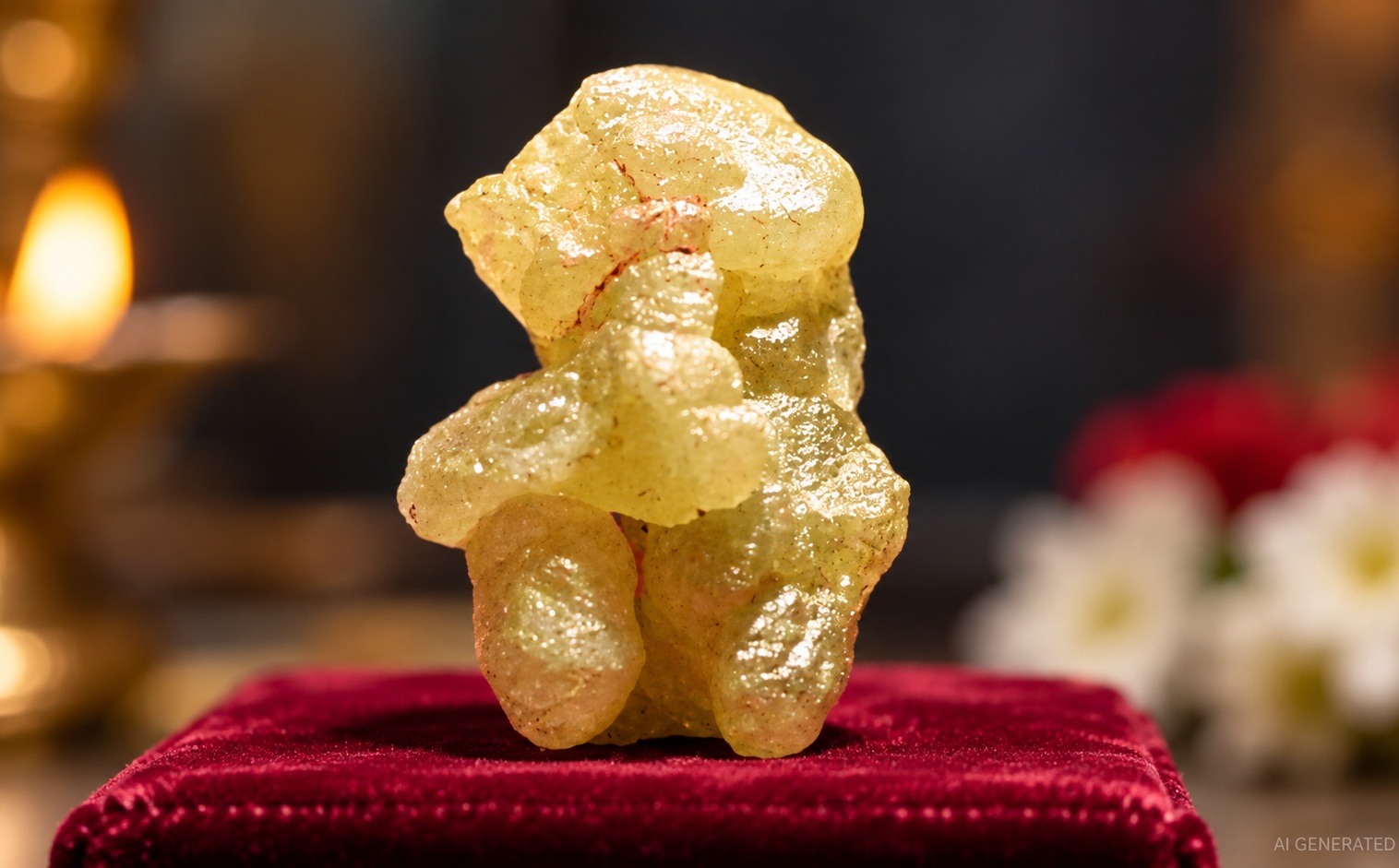


A lunar meteorite discovered in Antarctica more than four decades ago has now been linked to the Chandrayaan-3 landing site on the Moon, according to a new study by scientists from the Physical Research Laboratory (PRL) published in the journal NPJ Space Exploration.
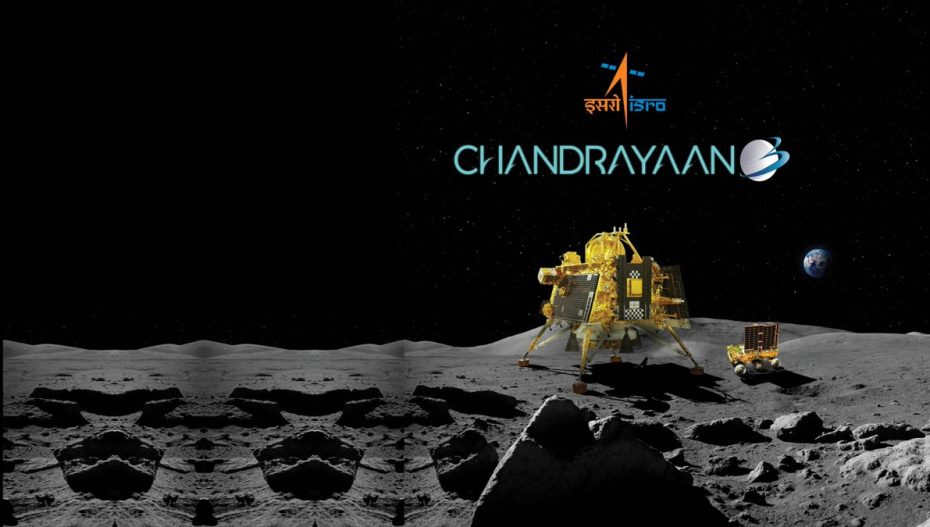
The research connects ALHA 81005, a meteorite found in Antarctica in 1981, with Shiv Shakti Station, the site where India’s Chandrayaan-3 mission landed near the Moon’s south pole in 2023.
ALHA 81005 is widely regarded as the first meteorite conclusively proven to have originated from the Moon. It was discovered in the Allan Hills region of Antarctica and later identified as a lunar meteorite.
Scientists found that the meteorite’s elemental composition closely matches measurements taken directly from the lunar surface by Chandrayaan-3’s Pragyan rover. After landing at Shiv Shakti Station, the rover carried out scientific investigations and analysed lunar soil using its Alpha Particle X-ray Spectrometer (APXS) instrument.
Researchers compared the APXS data with geochemical information from 66 feldspathic lunar meteorites collected from Oman, Libya, Northwest Africa, Northeastern Africa, Southern Africa and Antarctica. Among all the meteorites examined, ALHA 81005 emerged as the closest match to the Chandrayaan-3 landing site’s composition.
The findings have been detailed in a research paper titled “Chandrayaan-3 APXS measurements reveal lunar highland compositional diversity and meteorite connections.” The study was authored by Dwijesh Ray, Rishitosh K. Sinha, Santosh V. Vadawale, M. Shanmugam and Anil Bhardwaj.
According to the researchers, the lunar soil at Shiv Shakti Station has a distinctive chemical signature. Dwijesh Ray said the APXS analysis revealed an elevated magnesium number, known as Mg# 70, which is higher than the average value reported for the Moon’s Feldspathic Highland Terrane.
Ray explained, “The soil analysis by Alpha Particle X-ray Spectrometer (APXS) aboard Pragyan Rover of Chandrayaan 3 exhibits an elevated magnesium number (Mg# 70), higher than the average value reported for the Feldspathic Highland Terrane, giving the site a distinctive geochemical signature.”
Researcher Rishitosh K. Sinha said the similarity between Shiv Shakti Station and ALHA 81005 was not based on just one characteristic.
“Both Shiv Shakti Station and ALHA 81005 exhibit comparable abundances of aluminium, iron and magnesium, elevated magnesium number (Mg#), and occupy a rare compositional space between ferroan anorthosite and Mg-suite rocks,” Sinha said.
The study states that the close match supports the idea that both the meteorite and the Chandrayaan-3 landing site originated from a similar magnesium-rich feldspathic crust in the Moon’s highland regions.
PRL Director Anil Bhardwaj said the findings provide valuable information about the Moon’s long geological history.
“It has given us an insight into the composition of the moon as an entity shaped by billions of years of impact and geological processes,” he said.
Scientists have been particularly interested in the Moon’s southern high-latitude highlands because this region is believed to contain material brought up from deeper layers of the Moon by massive impact events.
The study found that Chandrayaan-3’s measurements showed a relatively high olivine-to-pyroxene ratio and elevated magnesium levels. These characteristics suggest that the area may contain material from the Moon’s lower crust and upper mantle.
Researchers also noted that large basin-forming impact events, especially the South Pole-Aitken (SPA) Basin, may have helped bring deeper lunar material closer to the surface. This would allow rover instruments such as APXS to study and measure rocks and soil that originated from deep within the Moon.
The findings not only strengthen the scientific significance of Chandrayaan-3’s discoveries but also establish a remarkable connection between a meteorite recovered in Antarctica more than 40 years ago and the exact region explored by India’s historic lunar mission.
Also Read: In A First Chandrayan-2 Discovers Sodium On Moon https://www.vibesofindia.com/in-a-first-chandrayaan-2-discovers-sodium-on-moon/