


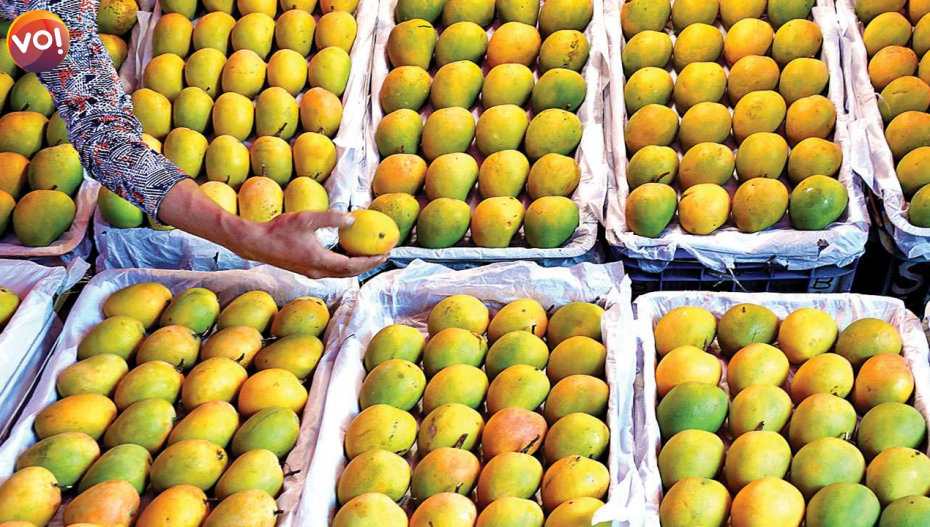
At the peak of mango season, a major food safety raid in Gujarat has raised serious concerns about the quality of fruit being used in some food products. Officials discovered a large stock of rotten, worm-infested and fungus-covered mangoes that were allegedly meant for juice production in Mehsana district. The spoiled fruit was seized before it could be processed and supplied to consumers. Legal action has also been initiated against those responsible.
According to food safety authorities, the raid was carried out at a juice manufacturing unit in Mehsana. During the inspection, officials found mangoes showing clear signs of decay, fungal growth, insect infestation and worm damage. Videos released by authorities showed the poor condition of the fruit, sparking concern among consumers about food safety standards in the food processing industry.
The seizure comes at a time when authorities across the country are conducting crackdowns on adulterated mango pulp, stale mango products and contaminated food ingredients. The latest case has once again highlighted the need for strict monitoring of food products, especially during the summer season when mango demand is at its highest.
Health experts warn that consuming rotten or fungus-infected mangoes can be dangerous. Such fruits may contain bacteria, fungi and other harmful microorganisms that can cause stomach pain, nausea, vomiting, diarrhoea, food poisoning and intestinal infections. The risk is even greater for children, elderly people, pregnant women and those with weakened immune systems.
Experts also stress that turning spoiled fruit into juice does not make it safe. Harmful microorganisms and toxins can remain in the final product even after processing. This is why food safety rules require manufacturers to use fresh, safe and properly stored raw materials.
One of the biggest concerns is fungal contamination. Fungi growing on rotten fruit can produce toxic substances known as mycotoxins, which may pose serious health risks if consumed over time. Worms found inside fruit are also a sign of decomposition and poor hygiene conditions.
Consumers are advised to carefully inspect mangoes before buying or eating them. Warning signs include visible mould, fungal patches, soft or leaking areas, a sour or fermented smell, insects or worms, and dark sunken spots spreading across the fruit. If a mango shows extensive spoilage, experts recommend throwing it away rather than cutting off the affected portion.
The seized mangoes have now been removed from the supply chain, preventing them from reaching consumers. However, the incident serves as a reminder that food safety remains a critical issue, especially during the busy mango season. Authorities have urged people to buy fruits and fruit-based products only from trusted sources and remain alert to signs of spoilage.
Also Read: Early Bloom Signals April Arrival For Gujarat’s Kesar Mangoes https://www.vibesofindia.com/early-bloom-signals-april-arrival-for-gujarats-kesar-mangoes/