


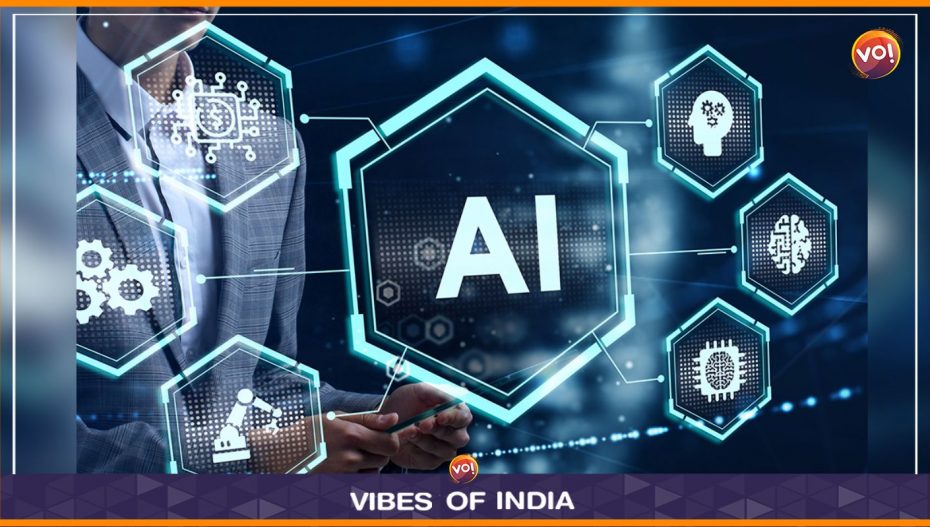
The simulation of human intelligence processes by machines, particularly computer systems, is known as artificial intelligence(AI). Expert systems, natural language processing, speech recognition, and machine vision are examples of AI applications.
What Actually Is Artificial Intelligence?
Artificial intelligence (AI) is a technology that enables machines and computer applications to learn from experience through iterative processing and algorithmic training.
AI is a type of intelligence that is used to solve problems, find solutions, answer questions, make predictions, or make strategic recommendations.
AI has become extremely important to modern businesses and other types of organisations because it can do all of these things.
What is AI Really Doing?
AI systems learn from patterns and features in the data that they analyse by combining large sets of data with intelligent, iterative processing algorithms.
Every time an AI system processes data, it tests and measures its own performance and gains new knowledge.
The goal of AI science is to create a computer system that can model human behaviour and use human-like thinking processes to solve complex problems.
To achieve this goal, AI systems employ a wide range of techniques and processes, as well as a wide range of different technologies.
By studying these techniques and technologies, we can get a better understanding of what AI does and how it works.
How is AI Being Applied?
To understand fully how AI works, it’s also necessary to understand where and how it’s being used. Fortunately, there are numerous examples of AI’s application in the modern economy, such as:
- Retail – AI systems are being used to design more efficient store layouts, stock levels, and provide shopping recommendations, similar to Amazon’s “You May Also Like” recommendations.
- Healthcare – AI technology has been trained to provide personalised medicine, such as reminding patients when to take their medication and recommending specific exercises to help them recover from injuries.
- Manufacturing – Artificial intelligence (AI) solutions help factories forecast load and demand, improving efficiency and allowing factory managers to make better decisions about ordering materials, completion timetables, and other logistics issues.
- Life Sciences – AI intelligence is actively used to review complex data sets useful in testing new medicines, assisting life science organisations in bringing effective medicines to market more quickly.
- Finance – AI tools are being used to detect and prevent fraudulent financial transactions, provide more accurate assessments than traditional credit scores, and automate a variety of data-related tasks that were previously handled manually.
Also Read:Care Committees To Monitor Medical College Students Bi-Annually