


The second round of high-stakes peace talks between the United States and Iran, expected to take place in Pakistan this week, is hanging by a thread after a sharp escalation in both military posture and political rhetoric.
At the center of the latest crisis is the US seizure of an Iranian-flagged vessel near the strategically critical Strait of Hormuz—a move Tehran has condemned as a direct violation of the fragile two-week ceasefire that is due to expire on Wednesday. The incident has not only inflamed tensions but also raised serious doubts about whether Iran will even attend the talks.
Iran’s chief negotiator, Mohammad Bagher Ghalibaf, delivered a blunt response, accusing Donald Trump of attempting to transform diplomacy into coercion. He said Tehran “does not accept negotiations under the shadow of threats” and warned that Iran has spent the ceasefire period preparing “new cards” that could be deployed if hostilities resume. The phrasing signals a readiness to escalate militarily if talks collapse.
Hormuz: The Strategic Faultline
While both sides continue to publicly express support for dialogue, the reality on the ground suggests a parallel escalation. The Strait of Hormuz—through which a significant share of global oil shipments passes—has emerged as the core point of contention. Control, access, and military signalling in this narrow waterway are now directly influencing the diplomatic track.
The US action in Hormuz is being interpreted by Iran as part of a broader pressure strategy—one that includes both economic and military levers. Tehran argues that such steps are designed either to force concessions at the negotiating table or to manufacture justification for renewed conflict.
Washington’s Position: Talks On, Pressure Intact
Despite the rising tensions, Washington has maintained that its delegation will attend the Pakistan talks. The team is expected to be led by Vice President JD Vance, alongside Middle East envoy Steve Witkoff and senior adviser Jared Kushner.
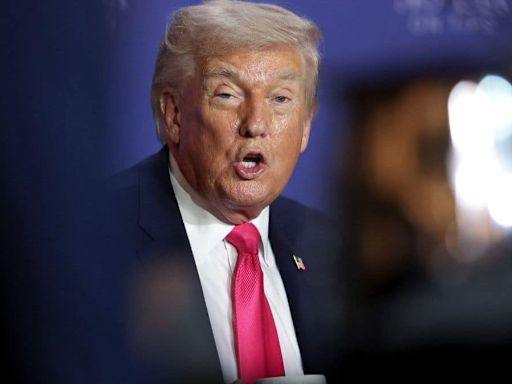
However, even as diplomatic channels remain technically open, messaging from the top has complicated the situation. Trump has openly cast doubt on extending the ceasefire and issued a stark warning: if no agreement is reached, “lots of bombs” could follow. The statement has reinforced perceptions of a hardline US approach—one that blends negotiation with overt threats of force.
Deal Within Reach—Or Slipping Away?
Ironically, behind the public confrontation, there are indications that both sides had made meaningful progress. According to Iranian sources, the broad contours of a potential agreement were largely in place. The current impasse is less about core disagreements and more about the environment in which negotiations are unfolding.
Two issues stand out:
- US Military Moves in Hormuz: Seen by Tehran as escalatory and trust-eroding
- Trump’s Public Rhetoric: Viewed as “maximalist,” raising political costs for compromise
This combination risks derailing a deal that may have otherwise been within reach.
Pakistan’s Mediation and the Optics Battle
Mediators in Pakistan, which is hosting the talks, are now playing a critical role in trying to salvage the process. Officials have reportedly conveyed to Washington that aggressive public messaging could undermine diplomatic gains. They have also pushed for framing the talks as a “win-win” outcome—allowing both sides to claim success without appearing to concede.
This highlights a key dynamic: beyond substance, optics and narrative control are now central to whether a deal survives.
What’s at Stake
With the ceasefire deadline approaching, three scenarios are emerging:
- Talks Proceed, Deal Revived: Requires de-escalation in tone and actions
- Talks Collapse, Ceasefire Ends: Risk of immediate military escalation
- Extended Stalemate: Continued tension in Hormuz with intermittent diplomacy
At this stage, the trajectory is uncertain—but the margin for error is shrinking rapidly. The convergence of military signalling, political brinkmanship, and fragile diplomacy means even a minor misstep could tip the situation from negotiation to open conflict.
Also Read: Trump Threatens Iran For Wednesday Deal Or Fresh Military Action https://www.vibesofindia.com/deal-or-destruction-trumps-stark-warning-to-iran/